

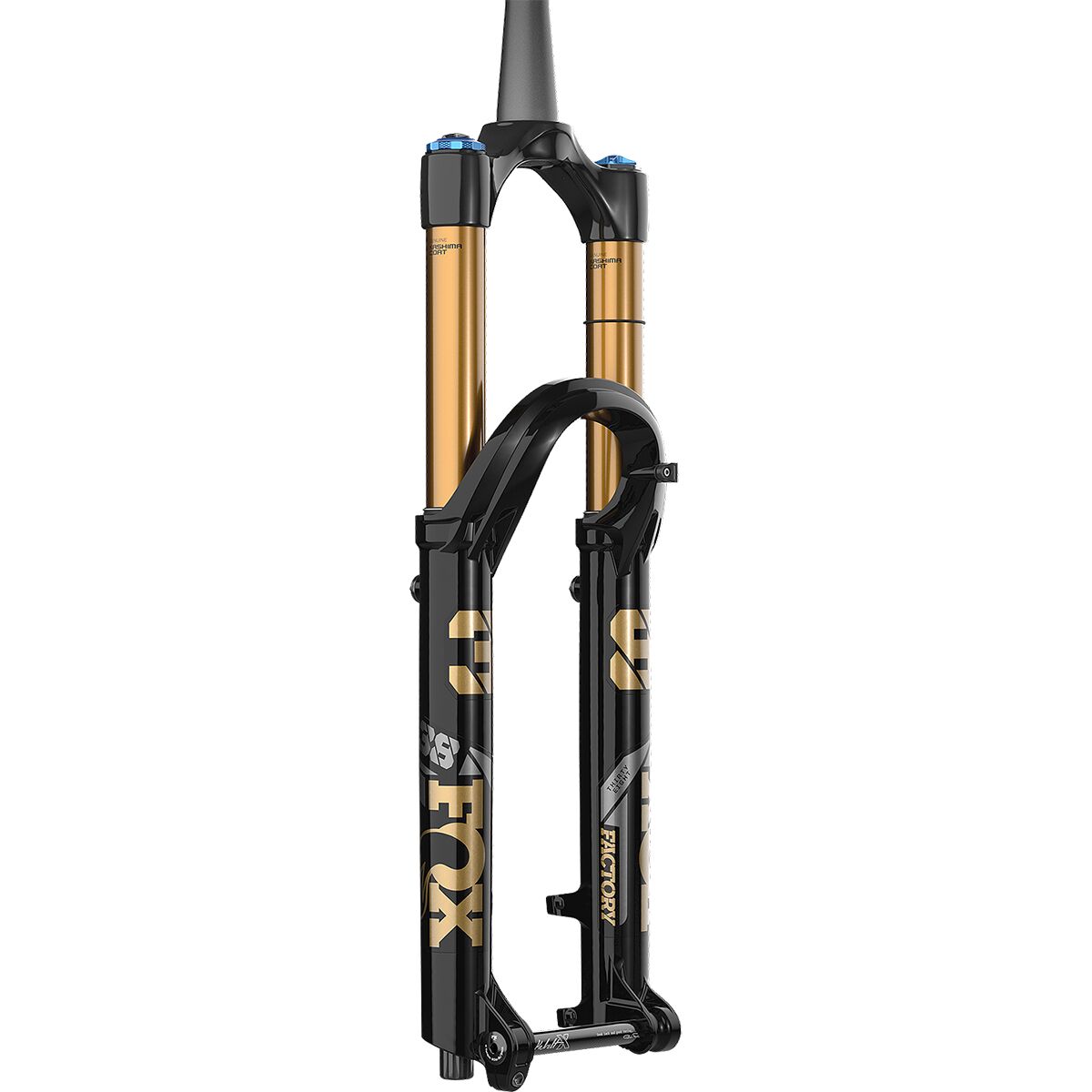
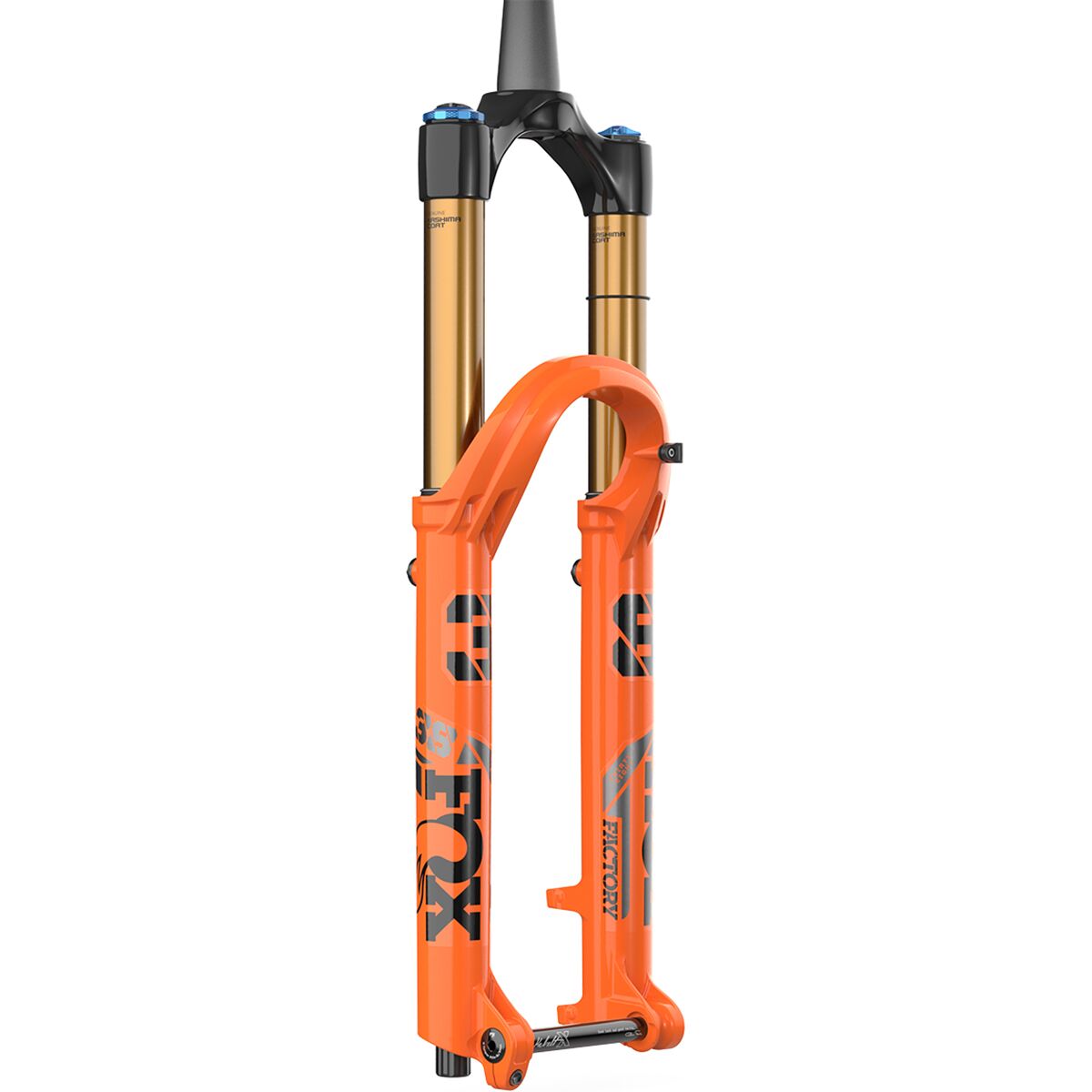
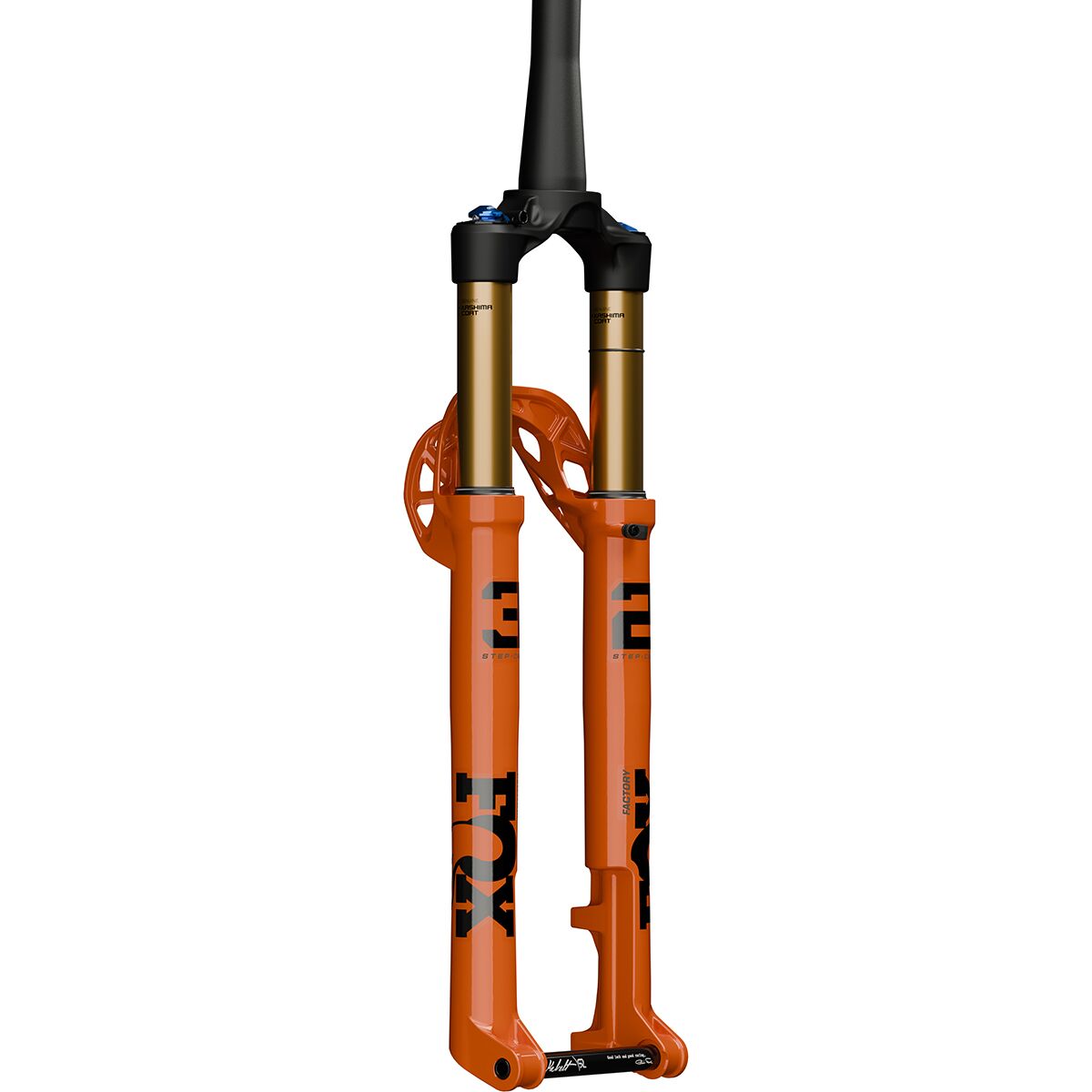
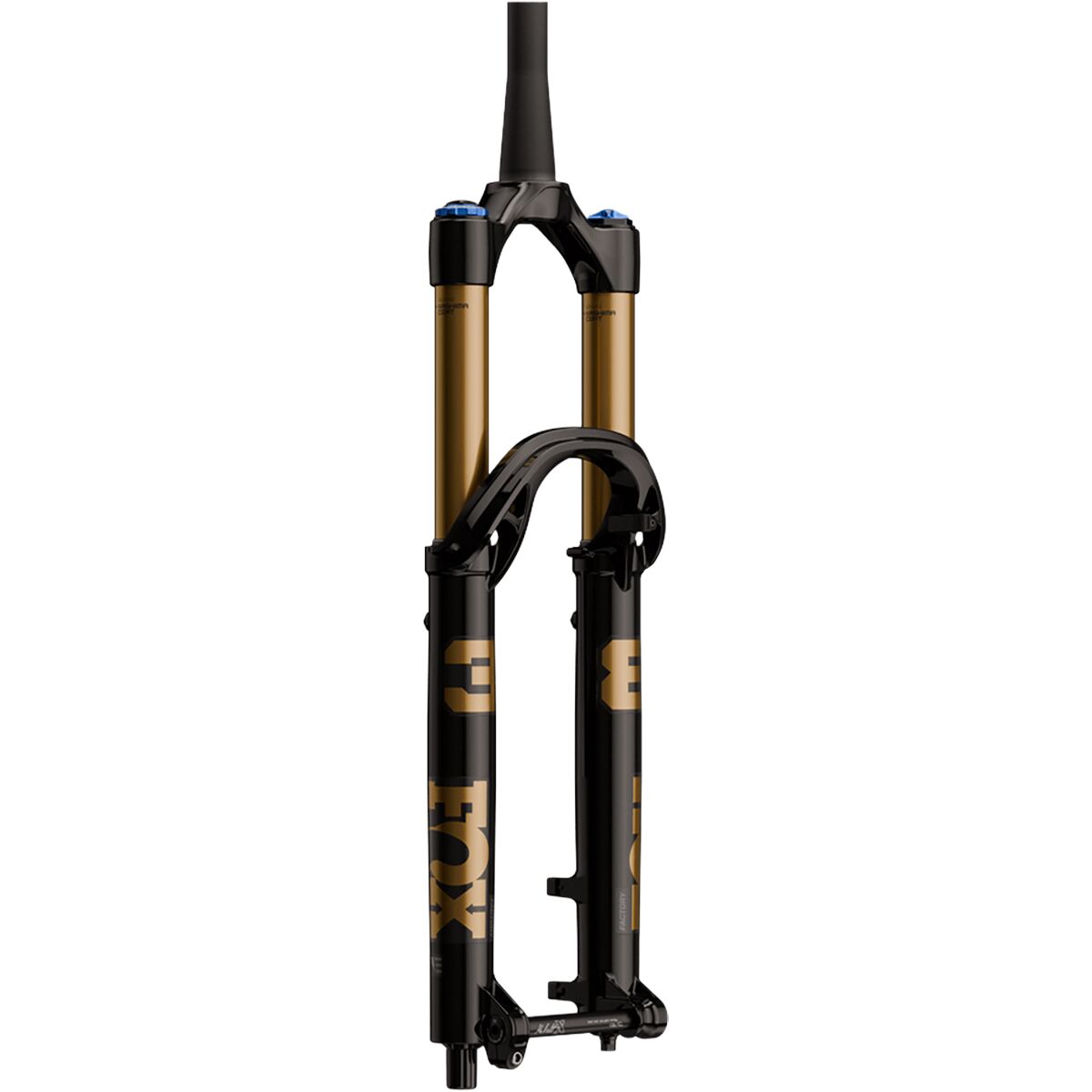
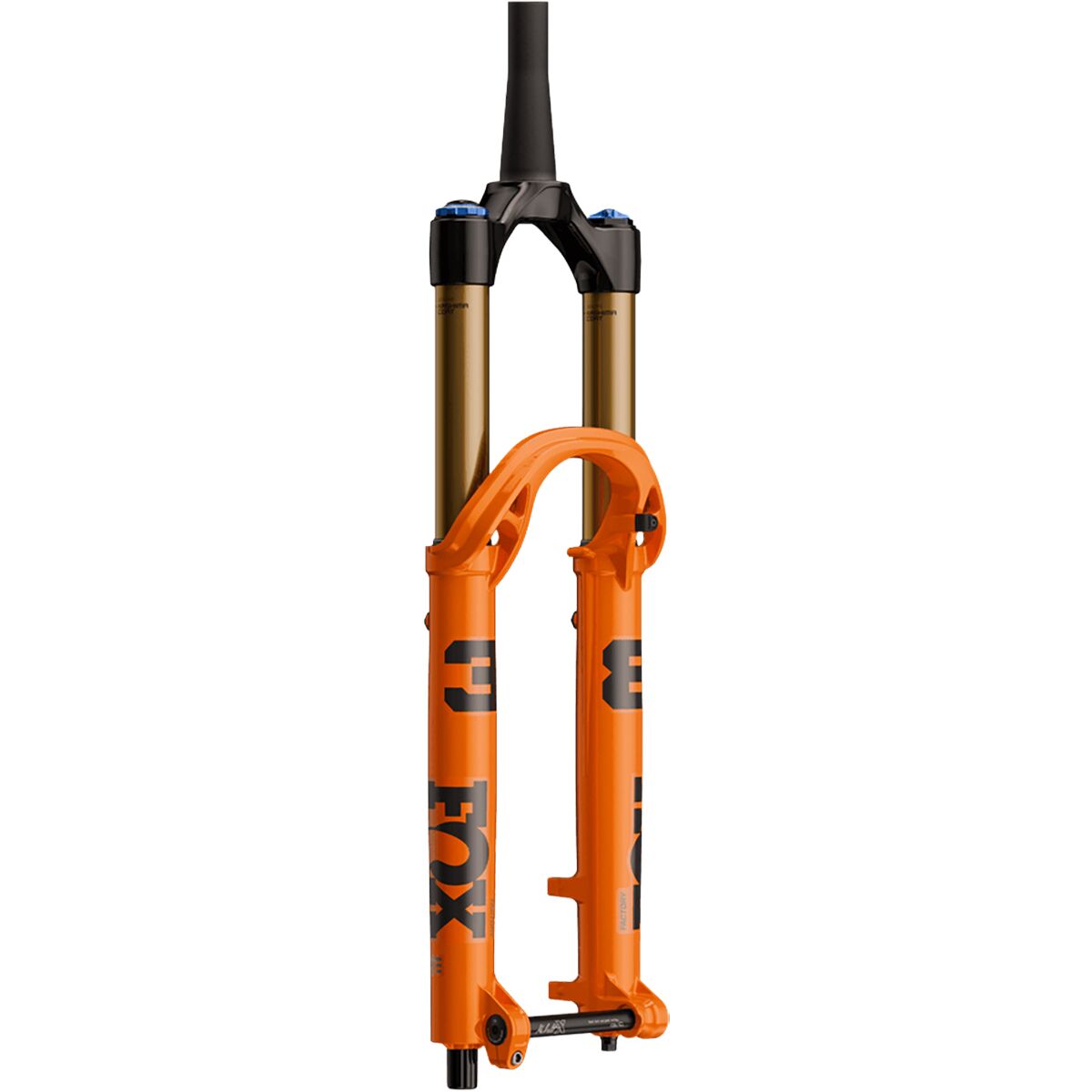
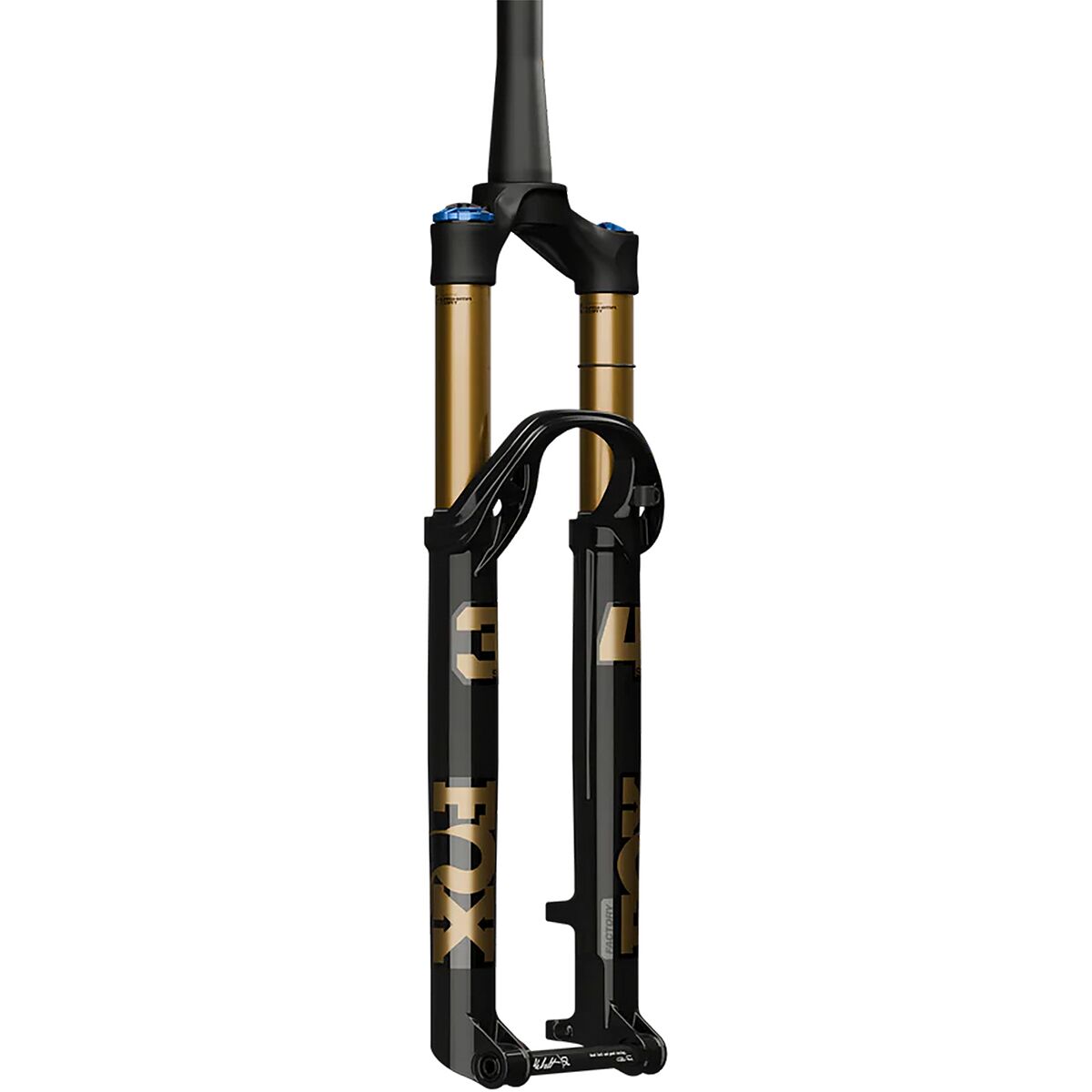
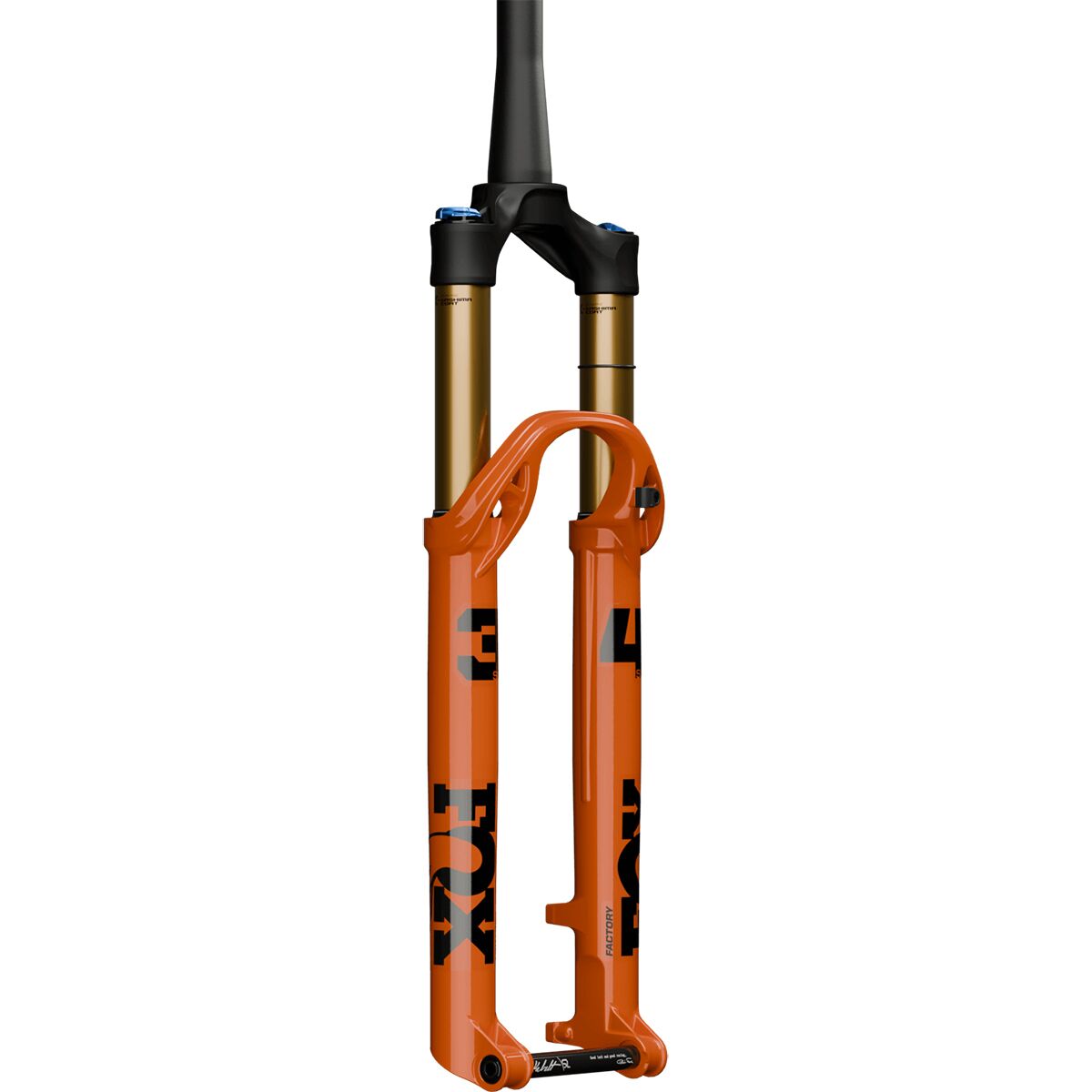
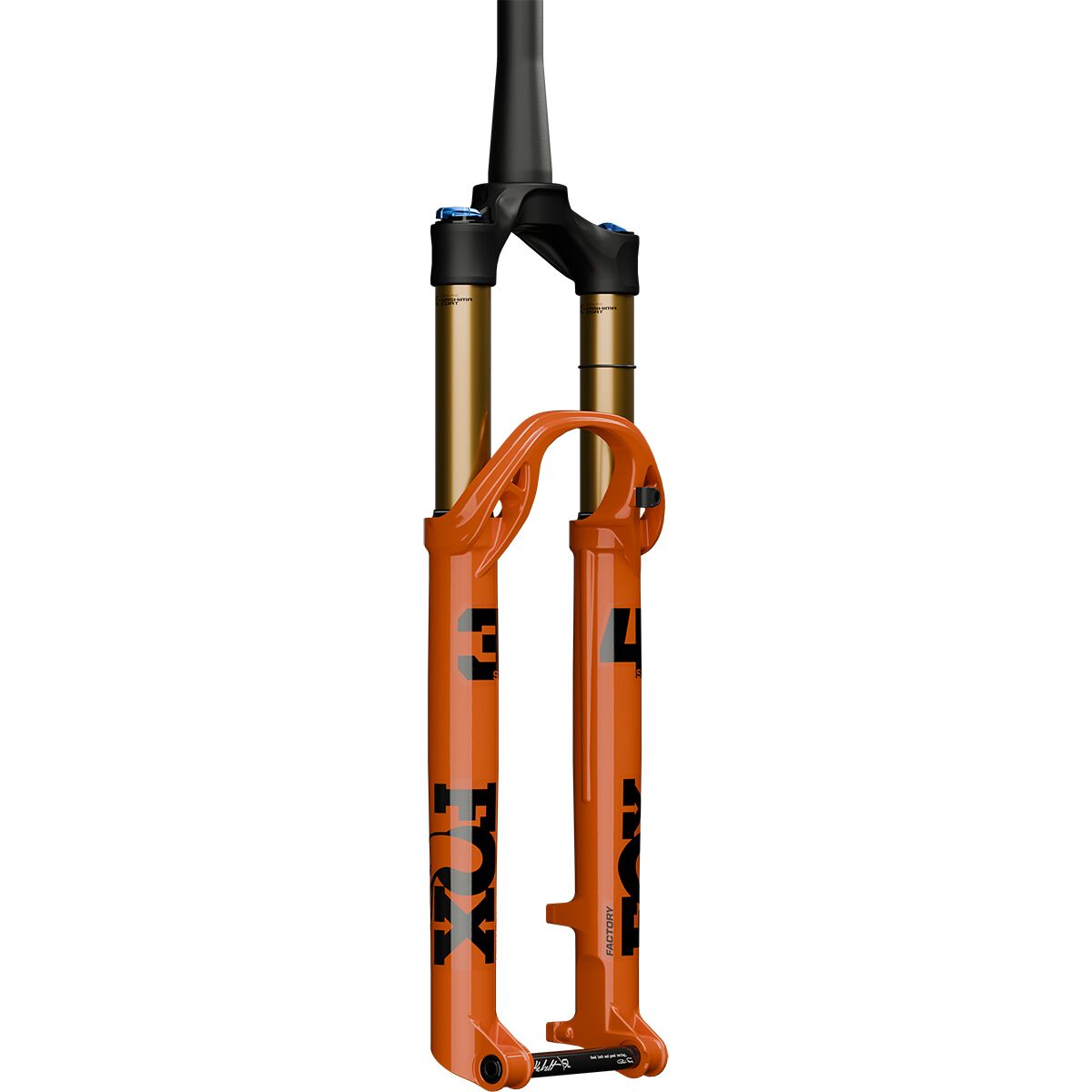
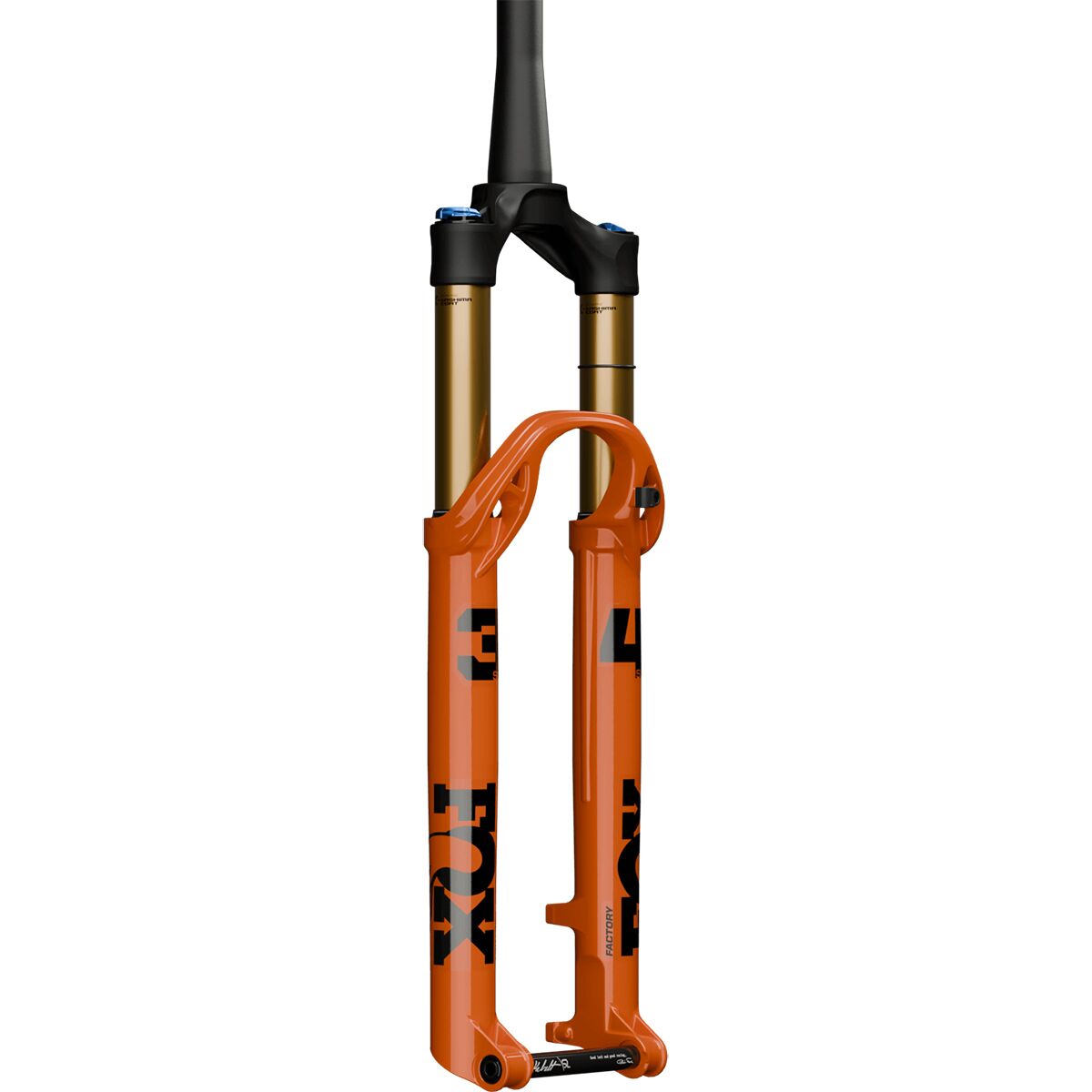
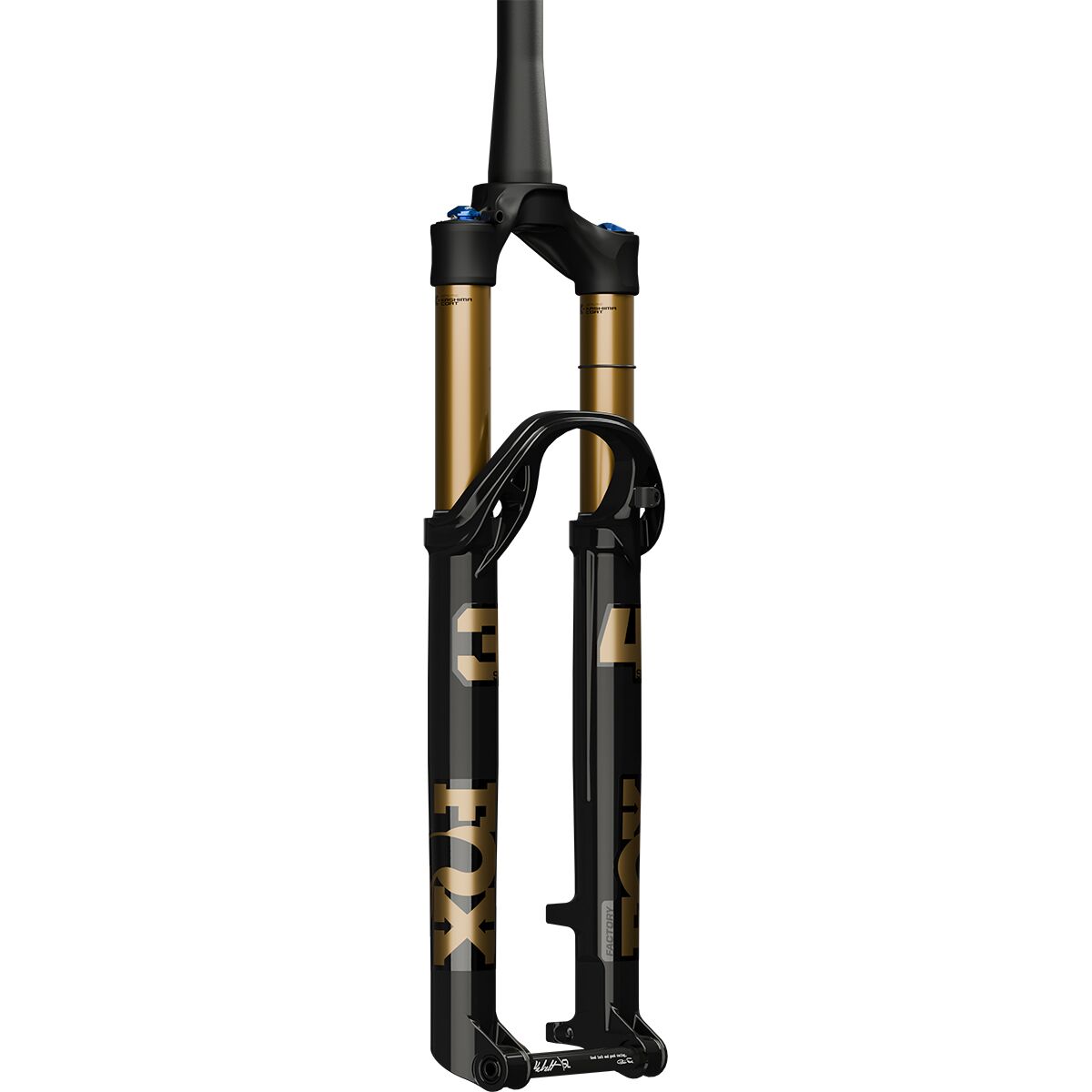
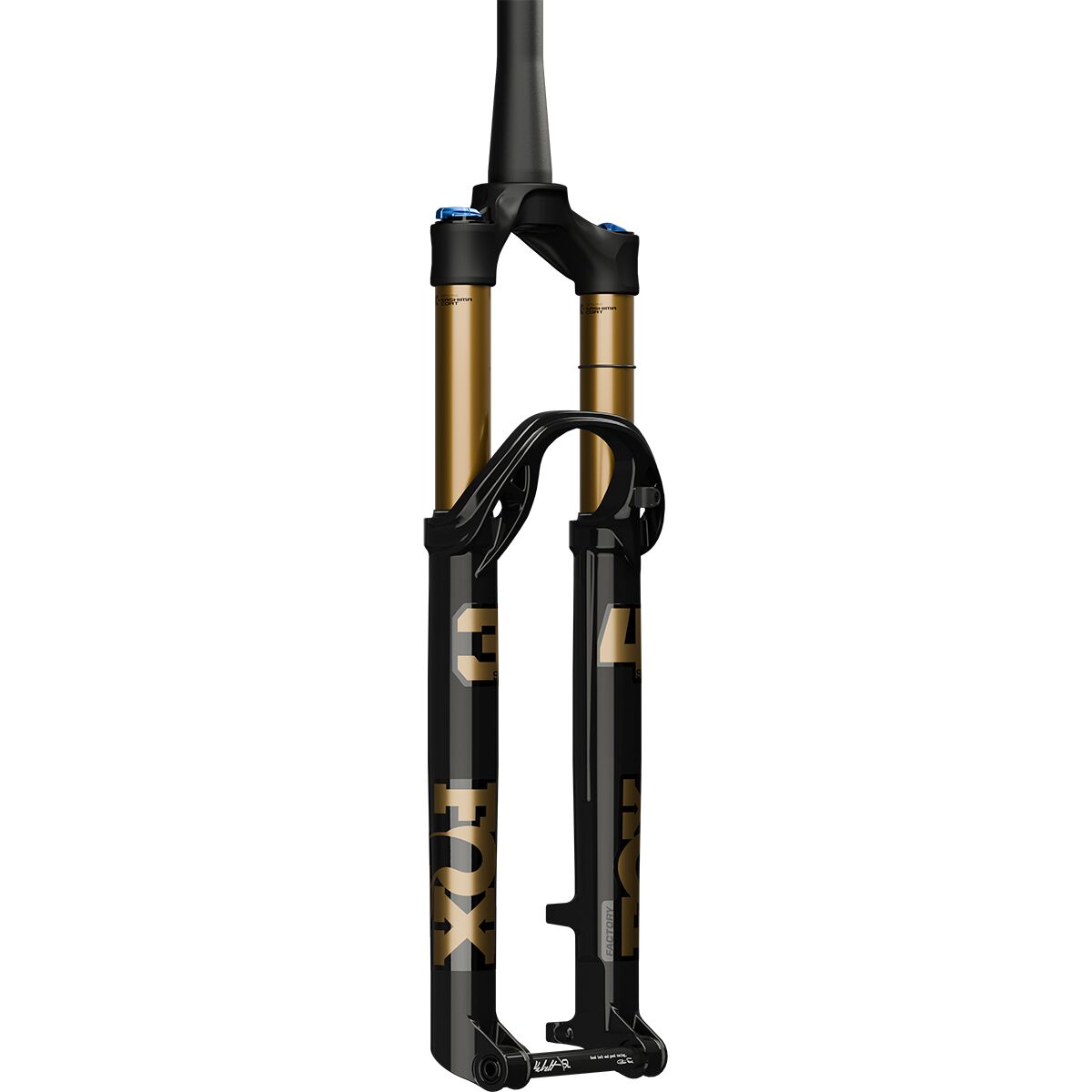
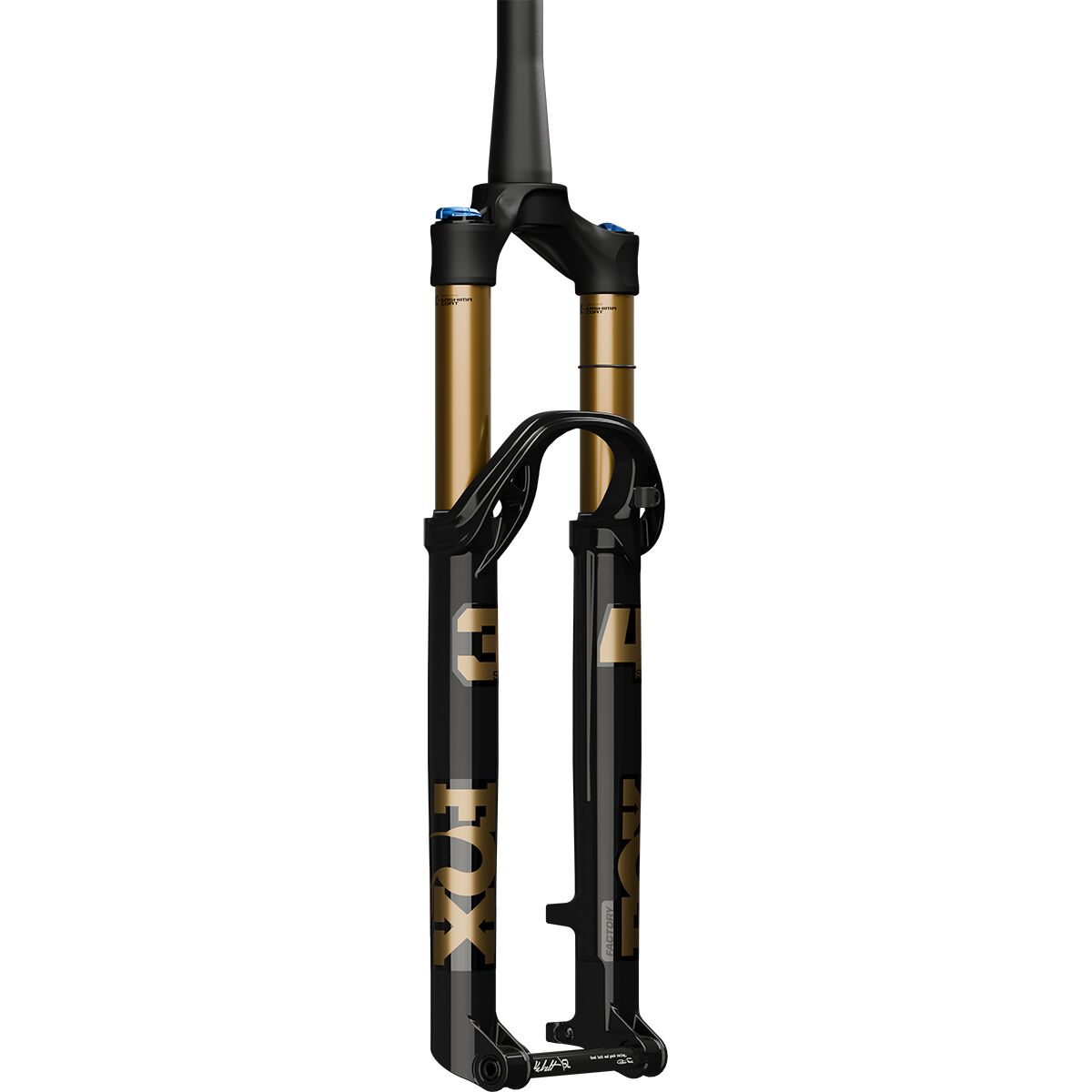
FOX Podium Factory Fork


| Where To Buy | |||
|---|---|---|---|

|
Free U.S. shipping on everything.
International shipping available. Some exclusions apply. |
Free U.S. shipping on everything.
International shipping available. Some exclusions apply. $188.00
|
|

|
|||

|
|||

|
|||

|
|||

|
|||

|
|||

|
|||

|
|||

|
Free shipping on orders over $49 (continental U.S. only).
International shipping available. Some exclusions apply. |
Free shipping on orders over $49 (continental U.S. only).
International shipping available. Some exclusions apply. $2,199.00
|
|

|
|||
|
|
|||
|
|
|||
|
|
|||

|
|||

|
Free shipping on orders over $69 (continental U.S. only).
International shipping available. Some exclusions apply. |
Free shipping on orders over $69 (continental U.S. only).
International shipping available. Some exclusions apply. $1,999.00
|
|
|
|||
|
|||
|
|||
|
|||
|
|||
|
|||
|
|||
|
|||
|
|||
|
|||
|
|||
|
|||
|
|||
|
|||
|
|||
|
|||
|
|||
|
|||

|
Free shipping on orders over $50 (continental U.S. only).
International shipping available. Some exclusions apply. |
Free shipping on orders over $50 (continental U.S. only).
International shipping available. Some exclusions apply. $771.75
|
|

|
|||

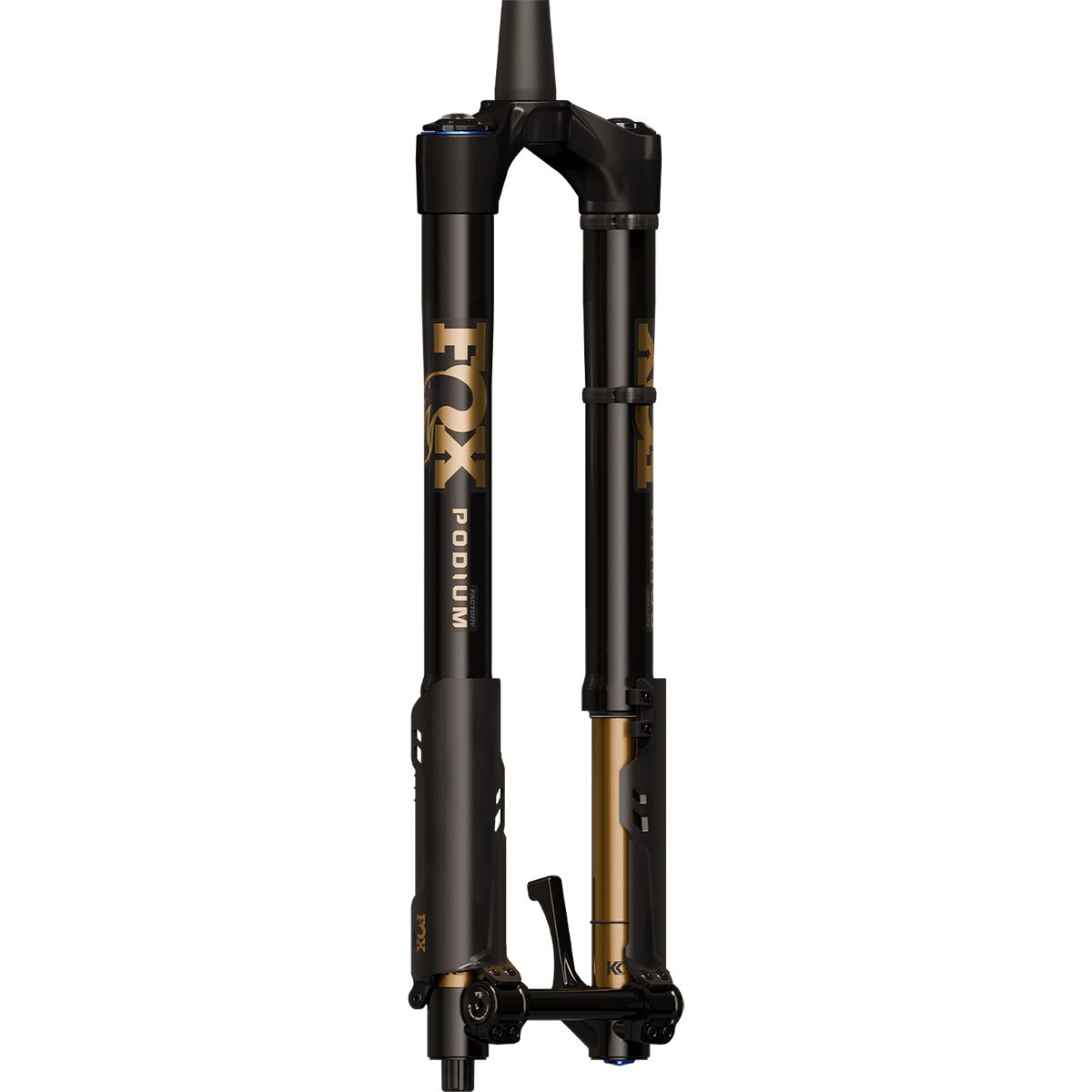
Fox famously dabbled with an inverted DH fork in 2011, and quickly scrapped the project due to negative rider feedback, including excessive weight and torsional flex. 15 years later, they’re bringing back the inverted idea, but upping the difficulty by moving to a single crown platform.
The new fork is heavy, unconventional, expensive, and risky, but FOX thinks it’s going to blow your mind. In fact, they’ve already secured spec for the Podium on bikes from at least nine different brands for 2026, which includes a mix of e-bikes and normal bikes.
You can hear more about why FOX chose to make a USD fork in 2025 and not a decade ago in our interview with Ariel Lindsley, Jordi Cortes, and Neko Mulally, and we touch on that question in the “What’s new” section below. You can also check out our podcast that’s going live this Friday at 9 am for more info, and leave any questions you’d like answered in the comments below.
Podium Highlights
- 160mm or 170mm of travel
- 29-inch
- 44mm offset
- Grip X2 damper with adjustable HSC - LSC - HSR - LSR
- GlideCore floating air spring design
- 36mm stanchions
- 47mm upper tubes
- 1.5-inch tapered steerer tube
- 20x110mm Boost axle spacing
- Dedicated fender/mudguard available in Fall 2025
- Weight: 2695 grams
- MSRP: $2000 USD / $2679 CAD / €2400 EUR / $3349 AUD
- Available now for purchase
Strengths | Weaknesses |
|
|

What's New?
This is FOX’s first ever production inverted fork and represents a complete ground-up redesign from their other forks, so it would probably be quicker to say what’s not new. It features a new layout, axle size, air spring and damper tune, volume reducer size and shape, hose routing, fender design, the air valve is on the bottom, it’s heavier, and it’s more expensive. The new layout has more bushing overlap and FOX claims that makes it stiffer, smoother, and more supportive.


According to Matt Pearce, International Marketing Manager at FOX, “We are confident the Podium will be the first widely commercially adopted inverted fork.” Here are the three main things Pearce shared that set the Podium apart from other single crown forks:

Fore/Aft Stiffness
Stiffness was a major goal in development, but also required balancing fore/aft stiffness with torsional stiffness. Too much or too little of either would result in a fork that either noodled, folded, or deflected.
Inverted designs are known to be stiffer front to back than a right-side-up (RSU) fork, and the Podium proved to be almost as stiff as the 40 DH fork when measuring front to back stiffness in FOX’s lab tests. That stiffness comes from the layout, but also from the oversized aluminum upper legs and crown, which add considerable weight. According to Pearce, “We feel people today are willing to pay the price in weight to buy increased performance. Most people aren’t regularly weighing their enduro bikes anymore.”

FOX had riders test six different axles, including steel and aluminum, 15mm and 20mm, and different material thickness, before landing on the final 20x110mm steel axle. According to Lindsley, “the axle becomes a huge tuning parameter when you take away the arch on the lowers.” Lindsley tried stiffer and stiffer axles in blind testing until Neko Mulally and Asa Vermette complained that “some of the magic went away.” They also performed blind rider tests on 3 different crown variations, 2 upper tube diameters, and 2 lower tube diameters before settling on the current design. The torsional stiffness of the resulting 170 Podium production fork is similar to a 160mm travel 36.

Bushing Overlap
The Podium chassis has 174.4mm of bushing overlap compared to the 38’s 120mm. That’s a lot more, and about the same amount as the FOX 40 DH fork. As the Podium compresses, the bushings get closer to the ground, reducing the amount of leverage acting on the bushings. All of this resulted in dramatically lower compressive forces on the bushings in FOX’s testing, and less sliding friction in use as the fork is experiencing fore/aft forces.

During the presentation, Lindsley made a distinction between “running friction” (friction that’s constant and consistent in use) vs. “stick/slip” friction (friction that’s inconsistent and unpredictable). According to Lindsley, friction itself isn’t the end of the world, as long as it’s constant. Damping, after all, is a way to add friction and resistance into a spring system. What is bad is friction that can’t be predicted, controlled, or tuned. According to Lindsley, the main benefit of the bushing overlap in the Podium is the ability to reduce “bushing bind” from front to back flex, which creates unpredictable and inconsistent “stick/slip” friction in the bushings.
Lower Friction
Because of the upside down layout, the seals are constantly drenched in oil, and that lubrication reduces friction. According to Lindsley, FOX also went with a higher volume of bath oil for the Podium, at 50cc per leg, “because oil gets trapped between the upper and lower bushings, which is actually a good thing if you think about it, because it means the oil stays at the bushings where you want it. We just needed to add more to make sure there was enough everywhere.”

The GlideCore air spring design, first seen on the 36 this spring, uses rubber mounting points at either end of the damper (technically it’s a nitrile butadiene material) that function like engine mounts to allow the damper to float laterally and vertically as the fork absorbs small bumps, like Rockshox’s Buttercups. According to FOX, “decoupling the stanchion from the air shaft," allows the piston to move smoothly, moving “with the fork and remaining axially aligned with the stanchion when [the fork chassis is] subjected to a bending load from any direction.” The vertical compliance of the rubber Glidecore mounts was especially evident in testing when the air spring was changing direction, like when switching from rebound to compression. The quad o-ring seal in the air spring creates some stick/slip drag during shaft direction changes, and the rubber mounts mute that hesitation.
The friction in the system is so much lower that FOX needed to significantly increase the damping force in the Podium’s X2 damper to account for the smoother chassis. The final tune profile and piston design is the one that won out with riders in blind testing, which FOX is calling a “Damper First” tune that relies on the damper as the primary method for fine tuning fork setup. Service intervals are still the usual 150 hours, so FOX didn’t double or triple the service interval due to the layout.
Initial Impressions
Because this fork is so unusual, I’m going to address the negatives first. It’s a lot of money. The price starts with the number “2” for most of the world, or even a “3” if you’re in Australia, which is eyewatering. Second, it’s heavy! A comparable FOX 38 Factory is 2194 grams, and a Zeb Ultimate is 2341 grams, which makes the 2695 gram Podium heavier than its closest competition by about a pound.
There are also weird packaging and user interface differences between the Podium and a normal RSU fork like the 38 or Zeb. The hose routing is a little more time consuming, and I had to adjust my front brake’s banjo angle from the caliper to make sure the hose didn’t drag on the stanchion. The mud guard isn’t available yet, and when it is available it will be mounted on the underside of the crown, far away from the front tire, instead of on the fork arch on a RSU fork near the tire. Because the fork internals are inverted, you have to flip the bike to change air pressure in the spring. Because it’s at the bottom of the fork leg, the fluid rests on the valve head and it can purge float fluid when you hook up your pump. That’s annoying and not great for your shock pump, but more importantly it can spit oil onto your brake rotor or caliper.


And installing the wheel in the dropouts is a bit of an acquired taste if you’re used to RSU forks. It isn’t terrible, and I got used to it quickly, but the legs float independently, which adds a unique challenge to lining up the dropouts, hub, and axle, and means you’ll probably want to flip your bike upside down to take the front wheel off. Speaking of wheels, the Podium runs a 20mm front axle, so riders replacing an existing fork may need to buy a new front wheel.
As for the good? It runs normal existing 36 seals and uses standard FOX suspension oils, which is great to see. It uses new 5 cc volume reducers, which means they’re half the size of a normal FOX volume reducer, allowing for greater fine tuning. And luckily, many existing 15mm Boost front hubs can be easily converted to 20mm Boost using ends caps, so you may not need a whole new wheel. Public Service Announcement: 20x110mm Boost is a relatively new standard and is not the same spacing as the old 20x110mm DH standard.

Visually, the 47mm upper fork tubes are huge, and so is the crown, meaning that the general takeaway on first glance is “big.” It took me a while to get used to seeing it, because the fork looks like more, and less, all at the same time. It looks huge on the front of my bike, while simultaneously lacking the familiar visual contours and structural components of a RSU fork. Weird is maybe too strong, but it sure looks different.
On The Trail
In short, the performance of the Podium has been phenomenal. I only have two full days and roughly 20000 feet of descending on the fork, but so far it’s blown away my expectations. The fork exhibited none of the negative trade-offs I’m used to or the torsional flex that concerned me. Instead, it made me more confident and more controlled in basically every single environment. Based on my time on the fork, I’d say yes, it really is that good.
Support & Stability
The constant and significant support of the fork has been the biggest surprise for me, significantly more supportive than anything I’ve used before. That support was most evident in berms and jumps, which was the last place I expected the fork to feel good, due to the longtime reputation of inverted forks for unwanted torsional flex. Instead, sharp direction changes in big violent berms were where the fork’s positive attributes shined most brightly.

On three different machine-built trails at Leogang and on multiple trails at Snow Summit, I was able to stand tall in turns and drive through the bike without the fork compressing, which is really unusual in my experience. On the Podium, I was able to turn my brain off, look through the turn, and rip. BikePark Leogang has tons of sculpted, bowled out, vertical or over-vert Nico Vink-style berms that are as hard as concrete, exactly the sort of scenario where I expected to twist and noodle-out on the inverted chassis. Not a problem on the Podium, which had me ripping bike park berms with unfamiliar confidence. Hitting steep jump faces and overshooting jumps to flat was also a treat on the Podium, because the bars stayed high and stable and I was able to ride out unblocked and unscathed.
On more normal sections of trail (everywhere that wasn’t a jump or berm), the Podium reminded me of the Ohlins RXF38 M.2 I rode at the 2023 Enduro Bike Test Sessions for its ability to stay high in the travel without giving up small bump performance. The RXF38 felt significantly more damped than any other fork in the test, but without feeling harsh or dead on trail. Instead, the support of the damping allowed me to apply more body english on the bike and pump the trail more, because I had a firm wall to push against and could trust the fork to grip and absorb all the small stuff. The Podium is like that, only more so.
I keep taking out volume reducers and lowering air pressure, but I still haven’t gotten into trouble from the fork feeling too soft. In fact, I still haven’t bottomed out the Podium yet, which is kind of nuts. Despite having seemingly endless support, it's not harsh.
Tunability
Normally on a new fork I need every adjustment I can get, and I’m making adjustments every ten feet for the whole first day on the fork. I tend to keep coming back to the air pressure and adjustment knobs on my fork for days, weeks, or months after install.

The Podium has lots of adjustments and they all work as intended, but on the first day of riding I made it almost the entire day without tweaking anything. That never happens for me. When I pointed that out to Ariel Lindsley during the ride in Leogang, he mentioned that no one in our large group of journalists had used a shock pump since we left the base area. I have made a handful of adjustments since then, but still far fewer than normal for me. Compared to most forks, I think the Podium has an unusually wide setup window and doesn’t need as much fine tuning or puzzling, which allowed me to focus on riding.
Comfort
Comfort was one of the big takeaways of the FOX EDR athletes who got to ride the pre-production RAD fork. They reported less fatigue and more comfort, and they were able to charge harder for longer because they weren’t as beat up or worn out at the end of long tracks. That was exactly my experience on the longer 1000 meter descents at Leogang, and doing back to back runs with my Zeb on my home trails at Snow Summit reinforced how much smoother the Podium was on rough sections and chatter.
If you get the chance to see the Podium in the flesh, push up and down on this fork in the parking lot. It’s unbelievable. I typically view fork setup as a trade off between support and comfort, but with the Podium I was able to have more support than I knew what to do with and still have a Cadillac-like ride quality over small bumps.
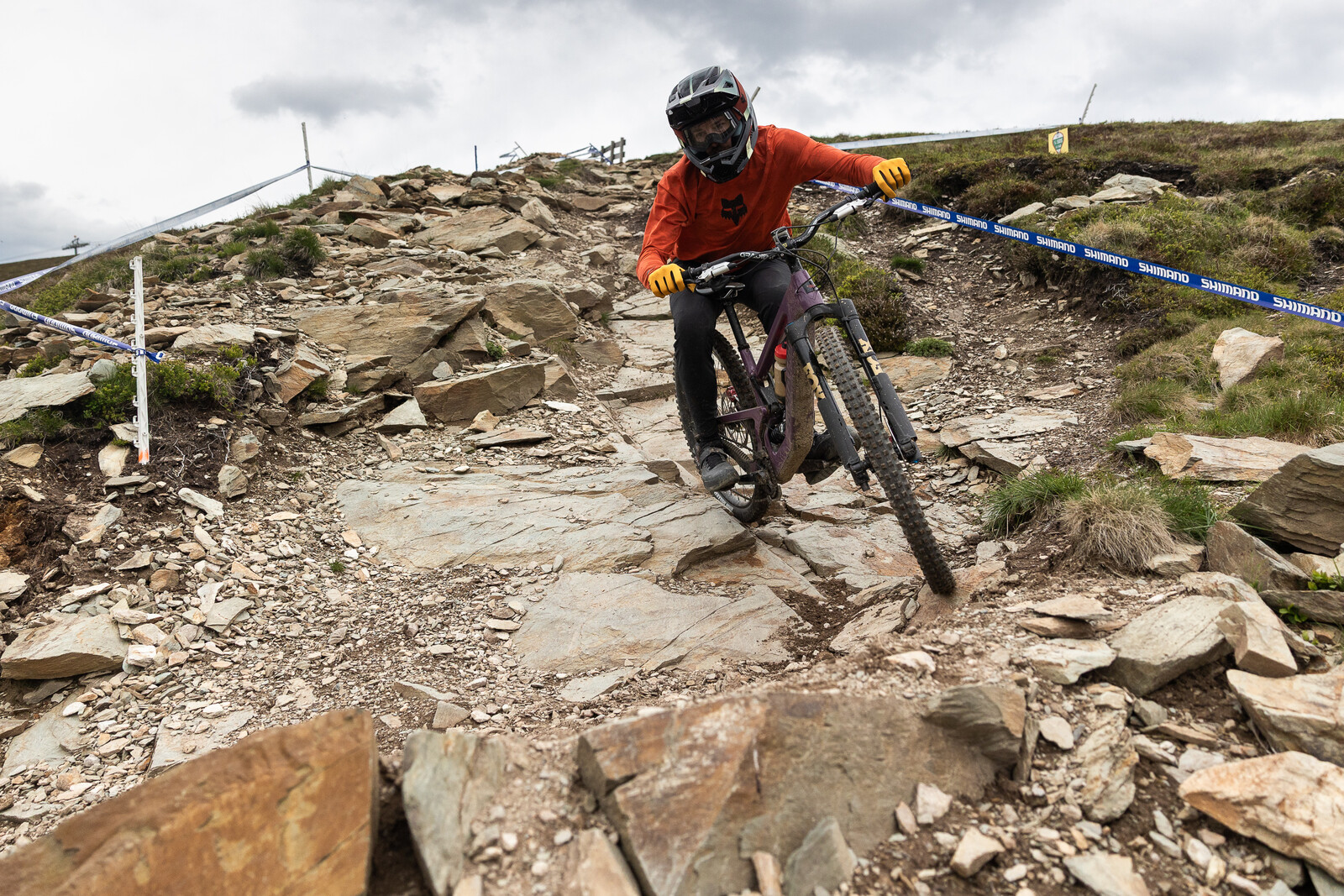
I just didn’t have to make the compromises I’m used to making on air pressure or damping to get the fork doing what I wanted, and was able to enjoy a much smoother and more comfortable fork everywhere. Once I installed the 10mm MRP crown race spacer to bring my axle-to-crown height in line with my 180mm Zeb, I never would have known I was on a 170mm fork instead of a 180.
As a bigger guy, I am curious to hear what shorter and lighter people than me think about the comfort and stiffness of the fork.
Traction
For me, the biggest benefit of the incredible small bump absorption wasn’t the added comfort, but the unreal traction and control. My front tire felt like it was glued to the ground. I haven’t felt such an improvement in front end grip since the first time I rode an e-bike on slimy trails in Bellingham. The front tire tracked so well on the Podium that I was able to place the front tire exactly where I wanted to. I could change directions in different places on the Podium, and it felt like the fork opened up new lines for me to set up higher and wider into turns.
I think there really is something to the inverted chassis, increased bushing overlap, and floating air spring on the Podium. By not flexing and binding on harsh bumps and under braking, the fork eliminates a lot of undesirable resistance from the chassis. In turn, this means that the fork does what you tell it to, without unwanted surprises. Everywhere I placed my front tire, it gripped and tracked exactly like it should.
Value
Gosh it’s a lot of money, and it’s not light either, but it’s also the best single crown fork I’ve ever ridden, by a country mile. The only real downsides of this fork are the cost and weight, so if you don’t mind an extra 300-500 grams and you have a tax return burning a hole in your pocket, it’s pretty great. Only you can decide what your money’s worth.
Do you need this fork to win your next local enduro race? Of course not. But in the immortal words of the great philosopher Ferris Bueller, “If you have the means, I highly recommend picking one up.”

What's the Bottom Line?
Based on my (admittedly) limited time on the Podium, this fork is better than a 38 or Zeb in every conceivable way other than cost and weight. It’s smoother and more comfortable. It offers more, better, and more consistent support than either of the previous top-of-the-line forks from the big two. I really liked my time on the Ohlins RXF38, and the Podium is better than that, too. I’d like to see it be offered in a 180mm version, but I haven’t even used the last 10mm of travel on my test fork, so I can’t say it’s bothered me.
I would love to ride the Podium somewhere like Snowshoe, West Virginia, because Snowshoe makes most forks feel terrible. There are lots of violent hits that require a firm setup and a stiff chassis, but those hits are unrelenting and exhausting, which punishes that same sort of stiffness. The thing that’s hardest to account for at Snowshoe is the smooth, slick rocks in the woods that are always damp and slimy. You desperately need traction, but instead, a stiff fork means the front tire wants to push all over the place and kill you.
So far, the Podium seems like it’s able to be comfortable, grippy, and supportive all at the same time, without having to pick just two. If the Podium comes stock on a bike you’re looking at in 2026, or if you can stomach dropping a chunk of money to buy one aftermarket, you will not be disappointed. I’m still curious to hear what smaller and lighter riders think of the fork, but for me, it’s no contest. The bottom line is: yes, it’s that good.
Vital Rating
- Support & Stability: 5
- Tunability: 5
- Traction: 5
- Value: 3.5
- Overall: 4.625
For more information, please visit www.ridefox.com
Photos by Dave Trumpore
About the Reviewer
Charlie Sponsel: Age: 36 // Years Riding MTB: 25 // Height: 6’3” (190.5cm) // Weight: 190-pounds (86.1 kg)
Charlie, aka TEAM ROBOT, loves building jumps and berms, smashing rocks in a straight line, and he's good at breaking stuff. He sounds grumpy when he talks about the bike industry, but we swear he's a happy guy underneath it all.

Specifications
• Low-speed compression damping (18 clicks)
• High-speed rebound damping (8 clicks)
• Low-speed rebound damping (16 clicks)
• Air pressure
• Oversized 47mm upper tubes and overbuilt crown for fore-aft rigidity (approaches chassis stiffness of a FOX 40)
• GlideCore air spring design reduces breakaway forces and friction by moving with the fork under dynamic load
• 58mm and 68mm fork crown options accommodate bikes with a larger diameter head tube
• Uses a custom steel 20x110mm Boost DH axle to achieve torsional stiffness
• 175mm bushing overlap (32% more than a FOX 38) reduces chassis flex and friction
• Floating axle
• Bleeder buttons
• Crown mounts for optional mud guard (available fall 2025)
• Other, aftermarket fenders and mud guards are incompatible with the Podium fork
• Uses 12cc of 20wt. Gold Oil for air chamber lubrication
• Turn the fork upside down whenever adding or removing air pressure
• Recommended sag: 15-20% of total fork travel
• Limited 1-year manufacturer's warranty
In the Box:
- Star Nut
- Carbon Fiber Stanchion Guards
- Alternate Brake Hose Clip
- 6x Volume Spacers
- Owners Manual
- FOX Sticker
| Where To Buy | |||
|---|---|---|---|
|
|
Free U.S. shipping on everything.
International shipping available. Some exclusions apply. |
Free U.S. shipping on everything.
International shipping available. Some exclusions apply. $188.00
|
|
|
|
|||
|
|
|||
|
|
|||
|
|
|||
|
|
|||
|
|
|||
|
|
|||
|
|
|||
|
|
Free shipping on orders over $49 (continental U.S. only).
International shipping available. Some exclusions apply. |
Free shipping on orders over $49 (continental U.S. only).
International shipping available. Some exclusions apply. $2,199.00
|
|
|
|
|||
|
|
|||
|
|
|||
|
|
|||
|
|
|||
|
|
Free shipping on orders over $69 (continental U.S. only).
International shipping available. Some exclusions apply. |
Free shipping on orders over $69 (continental U.S. only).
International shipping available. Some exclusions apply. $1,999.00
|
|
|
|
|||
|
|
|||
|
|
|||
|
|
|||
|
|
|||
|
|
|||
|
|
|||
|
|
|||
|
|
|||
|
|
|||
|
|
|||
|
|
|||
|
|
|||
|
|
|||
|
|
|||
|
|
|||
|
|
|||
|
|
|||
|
|
Free shipping on orders over $50 (continental U.S. only).
International shipping available. Some exclusions apply. |
Free shipping on orders over $50 (continental U.S. only).
International shipping available. Some exclusions apply. $771.75
|
|
|
|
|||






42 comments
Post a reply to: The Wild and Wonderful New FOX Podium Inverted Fork