

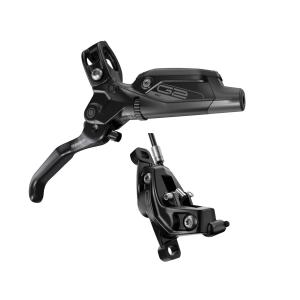
SRAM DB8 Hydraulic Disc Brake





| Where To Buy | |||
|---|---|---|---|

|
Free shipping on orders over $69 (continental U.S. only).
International shipping available. Some exclusions apply. |
Free shipping on orders over $69 (continental U.S. only).
International shipping available. Some exclusions apply. $180.50
|
|
|
|||
|
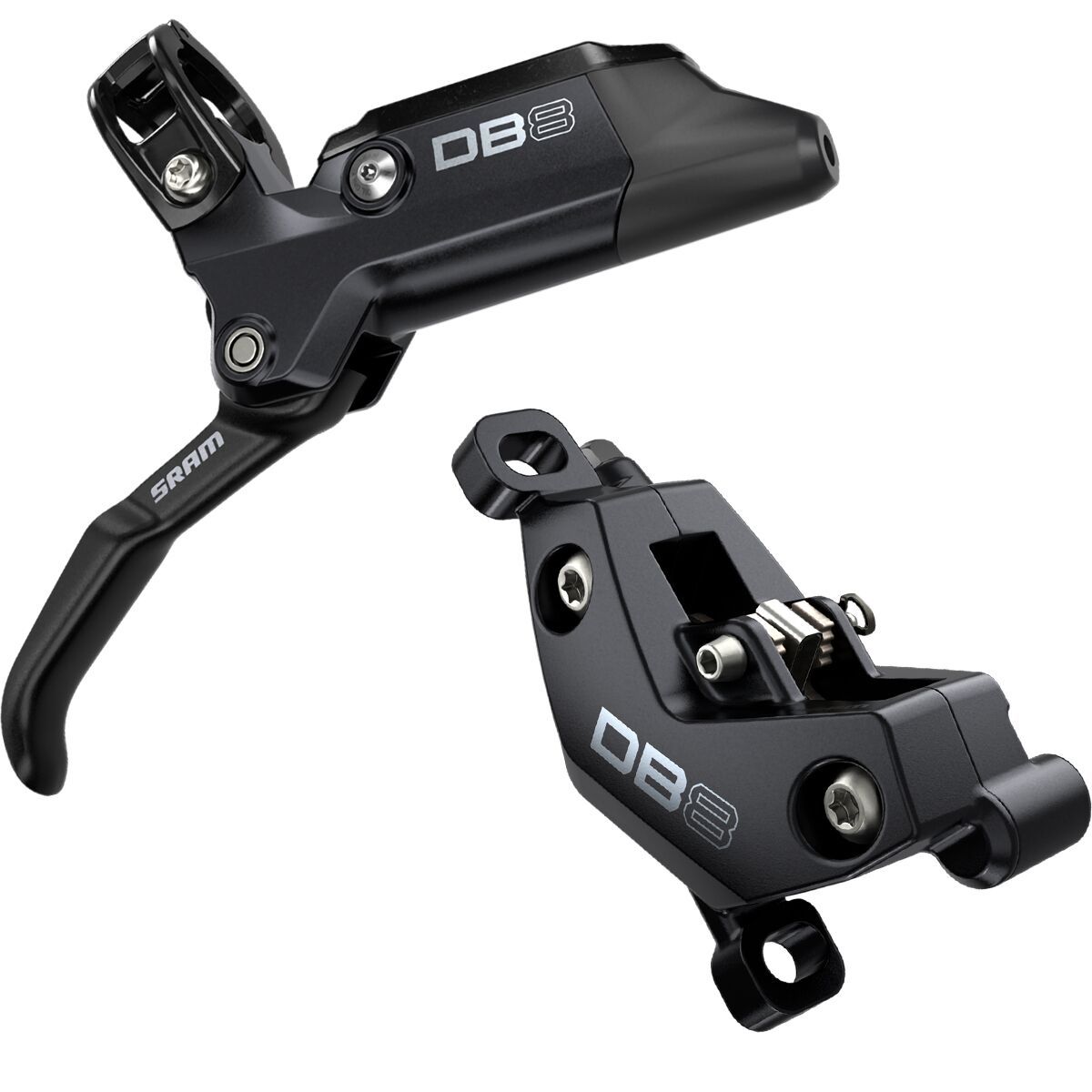
SRAM DB8 Disc Brake Black, Front
$102.59
|
||
|
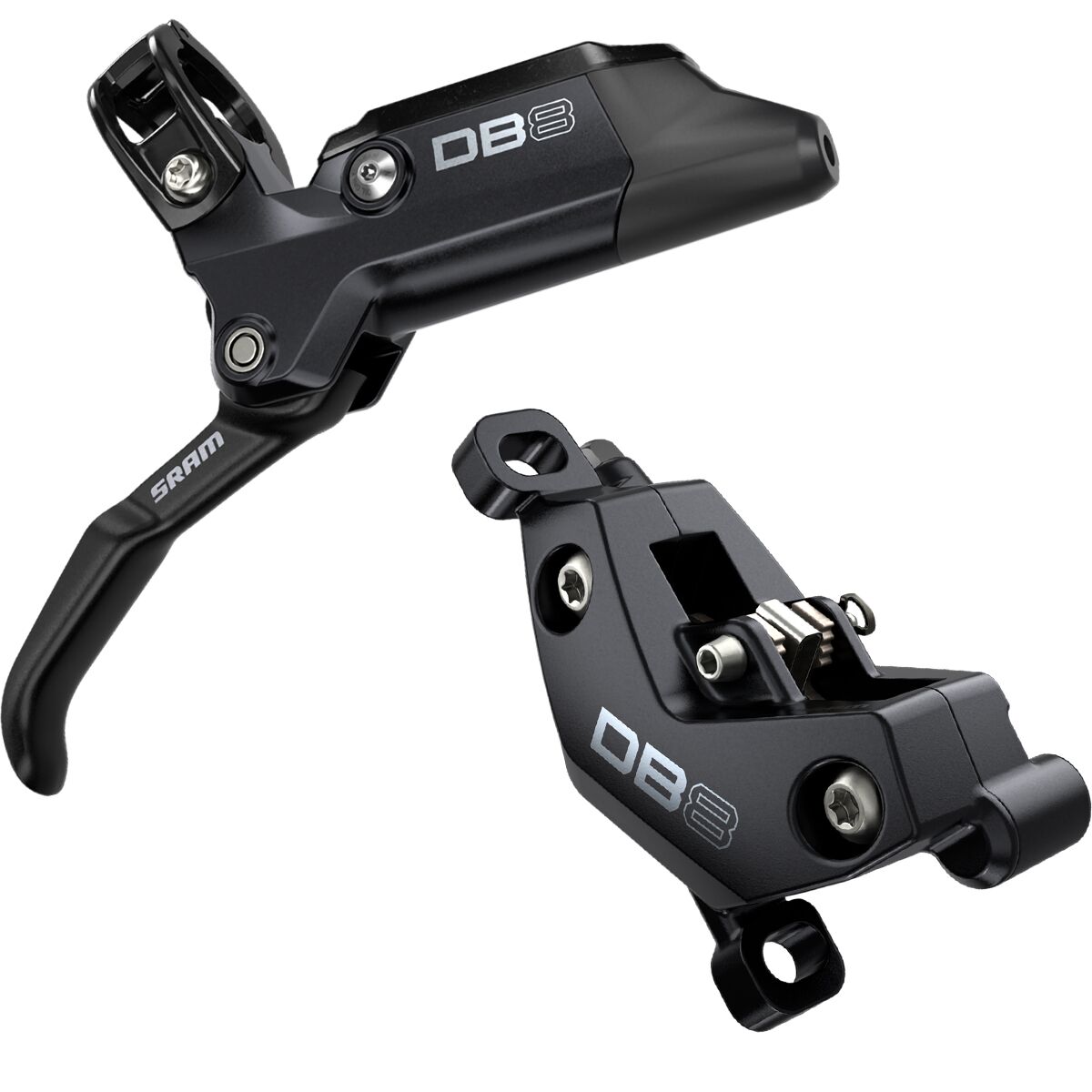
SRAM DB8 Disc Brake Black, Rear
$137.00
|
||
|
|||
|
|||
|
|||
|
|||

|
Free standard UK delivery on orders over £50.
|
Free standard UK delivery on orders over £50.
£19.99
|
|

|
|||

|
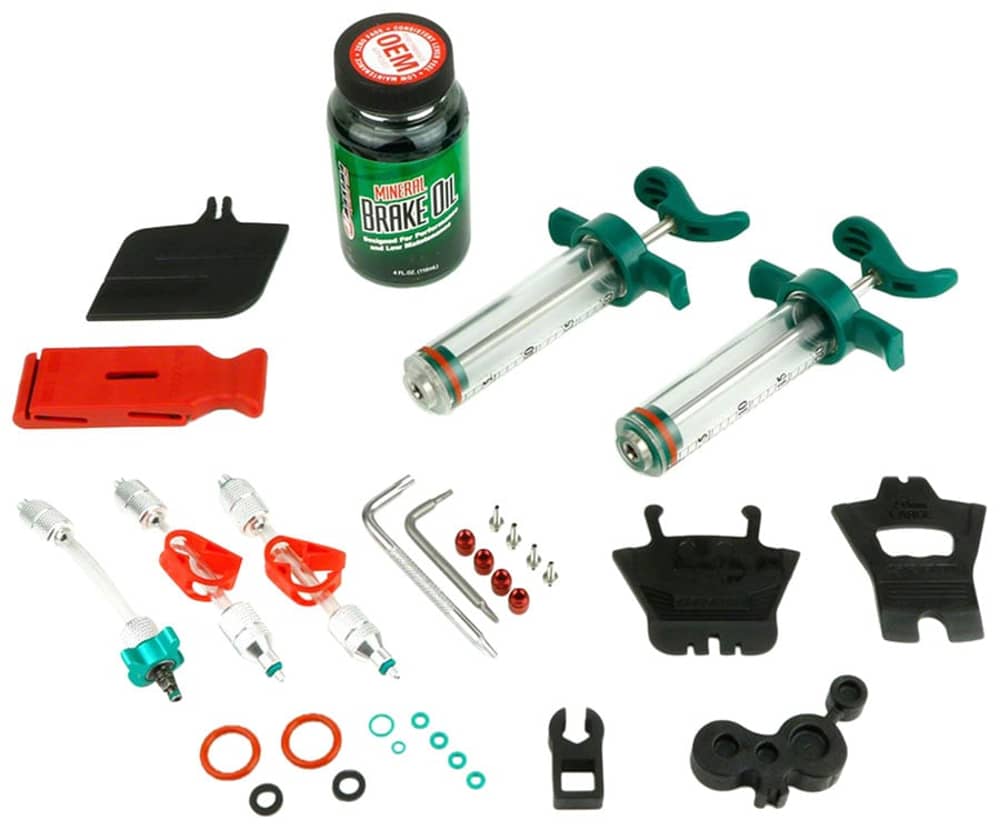
SRAM Pro Dot Brake Bleed Kit
£93.00
|
||
|
|||

|
|||
|
|||

|
Free U.S. shipping on everything.
International shipping available. Some exclusions apply. |
Free U.S. shipping on everything.
International shipping available. Some exclusions apply. $206.25
|
|

|
|||

|
|||

|
|||

|
|||

|
|||

|
|||

|
|||

|
|||

|
|||

|
|||

|
SRAM Pro Bleed Kit - DB8/Maven
$130.00
|
||

|
|||

|
|||

|
|||

|
|||

|
|||

|
|||

|
|||

|
|||

|
|||

|
|||

|
|||

|
|||

|
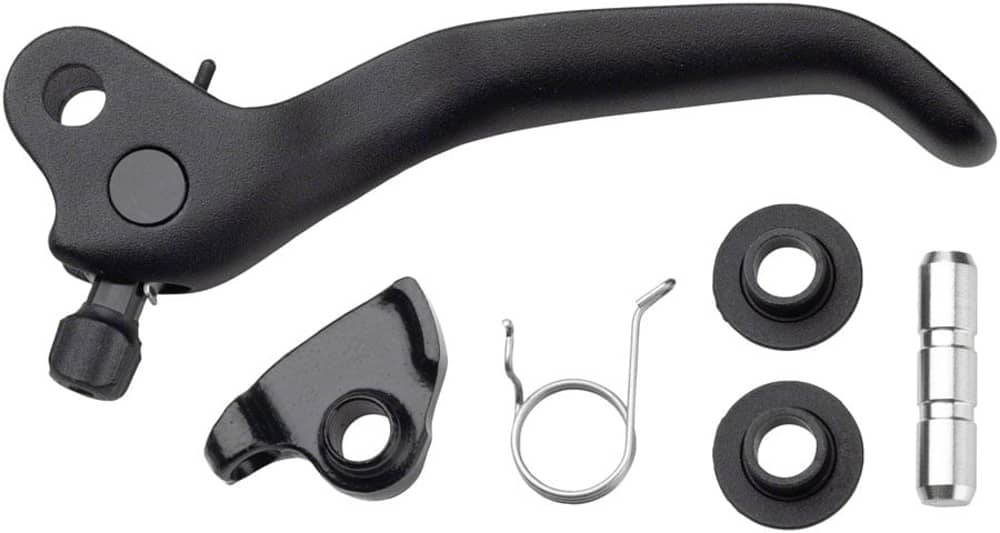
SRAM DB5 Lever Blade: Each
$20.00
|
||

|
|||

|
|||

|
|||

|
|||

|
|||

|
|||

|
|||

|
|||

|
|||

|
|||

|
|||

|
|||

|
|||

|
|||

|
|||

|
|||

|
|||

|
|||

|
|||

|
|||

|
|||

|
|||

|
|||

|
|||

|
|||

|
|||

|
|||

|
|||

|
|||

|
|||

|
|||

|
|||

|
|||

|
|||

|
|||

|
|||

|
|||

|
|||

|
|||

|
|||

|
|||

|
|||

|
|||

|
|||

|
|||

|
|||

|
|||

|
|||

|
|||

|
|||

|
|||

|
|||

|
|||

|
|||

|
|||

|
|||

|
|||

|
|||

|
|||

|
|||

|
|||

|
|||

|
|||

|
|||

|
|||

|
|||

|
|||

|
|||

|
|||

|
|||

|
Free shipping on orders over $49 (continental U.S. only).
International shipping available. Some exclusions apply. |
Free shipping on orders over $49 (continental U.S. only).
International shipping available. Some exclusions apply. $25.00
|
|

|
|||

|
|||

|
|||

|
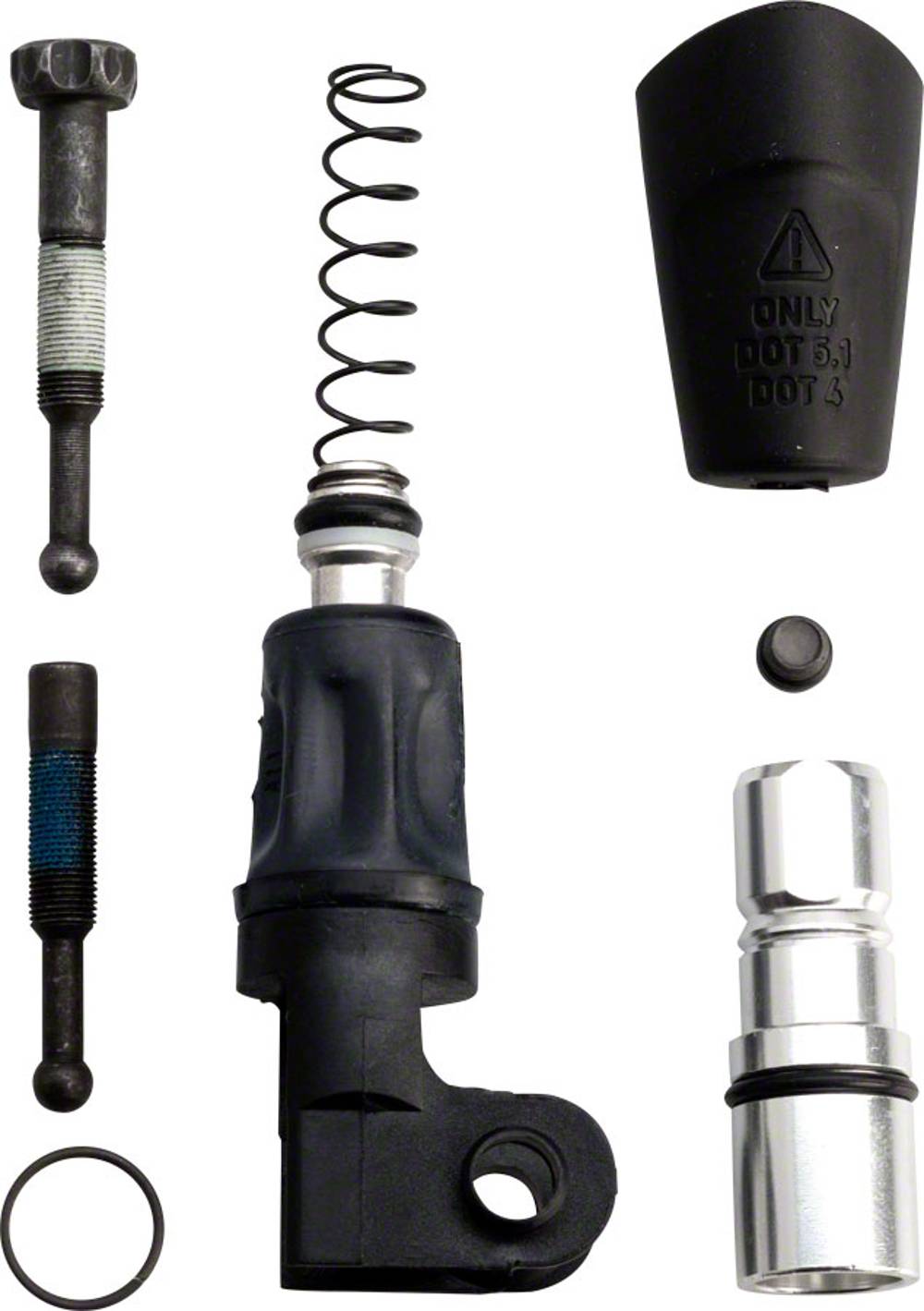
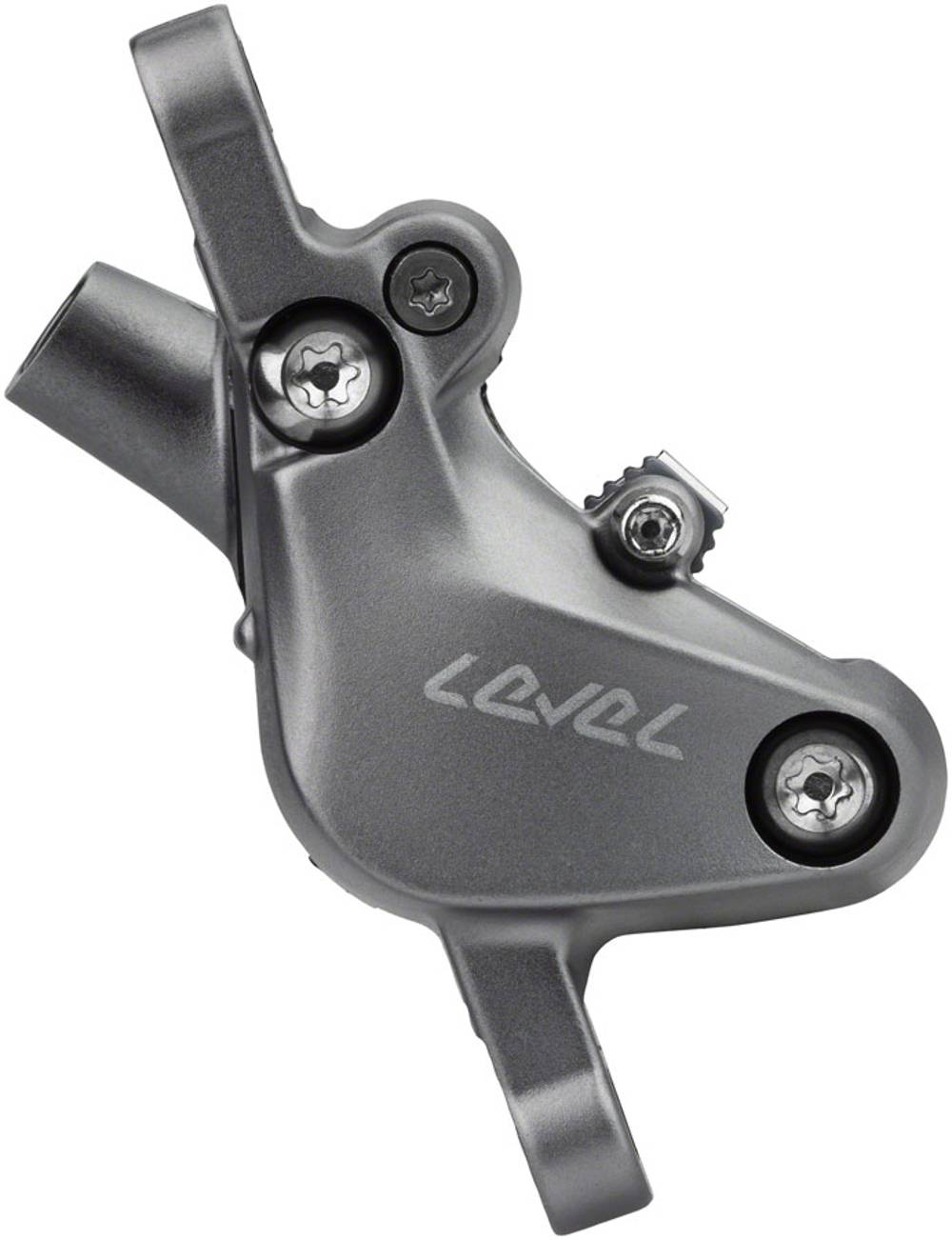
SRAM DB8 Disc Brake Caliper
$70.00
|
||

|
|||

|
|||

|
|||

|
|||

|
|||

|
|||

|
|||

|
|||

|
|||

|
|||

|
|||

|
|||

|
|||

|
|||

|
|||

|
|||

|
|||

|
|||

|
|||

|
|||

|
SRAM Matchmaker X Adapters
$34.00
|
||

|
|||

|
|||

|
|||

|
|||

|
|||

|
|||

|
|||

|
|||

|
|||

|
|||

|
Free shipping on orders over $50 (continental U.S. only).
International shipping available. Some exclusions apply. |
Free shipping on orders over $50 (continental U.S. only).
International shipping available. Some exclusions apply. $25.00
|
|

|
|||

|
|||
|
|||

|
|||
|
|||

|
|||

|
|||

|
|||

|
|||

|
|||

|
|||

|
|||

|
|||

|
|||
|
|||
|
|||

|
|||

|
|||

In the spring of 2022, SRAM quietly released the DB8, their first-ever mineral oil brake, after decades of using DOT fluid exclusively. Initially sold as an OE-only product, the DB8 was featured on price-conscious builds as a cheaper alternative to their go-to gravity brake at the time, the DOT 5.1-powered Code. Three years later, SRAM's entire brake lineup has moved over to mineral oil, with the addition of Maven and the recently released Motive.
The DB8 holds an odd space in SRAM's lineup. It takes over the middle-of-the-range spot from the outgoing Code and, according to SRAM, delivers "Code-like power." However, it lacks many of the premium trimmings or price tag as the Code RS and RSC models, like Swinglink, bearing pivots, or exotic titanium hardware. The Maven's identity is crystal clear as SRAM's dedicated gravity and heavy-duty E-bike brake, and the Motive is SRAM's premium XC and trail brake. So where does that leave the DB8? A less-powerful Maven? A cheaper Motive? Enduro-lite?
We wanted to see how the black sheep in SRAM's mineral oil brake lineup measures up on the trail. Spoiler alert: it's good.
Highlights
- Single sided lever
- Tooled lever adjustment
- No pad contact adjust or Swinglink
- "Code-like" power according to SRAM
- Same 15/16mm piston size as Code and Motive
- Code 2011+ brake pads (same as Motive)
- SRAM stresses "Only Maxima Mineral Oil"
- 346 grams. More than Motives, less than Mavens.
- $137 per brake
Strengths | Weaknesses |
|
|

What's New?
Introduced to little fanfare, available on closeout almost immediately after its release, and holding an odd spot in SRAM's new mineral oil brake lineup, the DB8 is a bit of a black sheep. There are little things that set it apart from other brakes in SRAM's lineup, but with its simple design language, lack of frills, and industrial-looking matte black finish, the overall effect is that it's mostly just a brake. The DB8 reminds me of Toyota's aptly named 1988 "Pickup," so much so that I'm surprised SRAM didn't just call it "Brake." But for the nerds who must know all the gory details, buckle up.

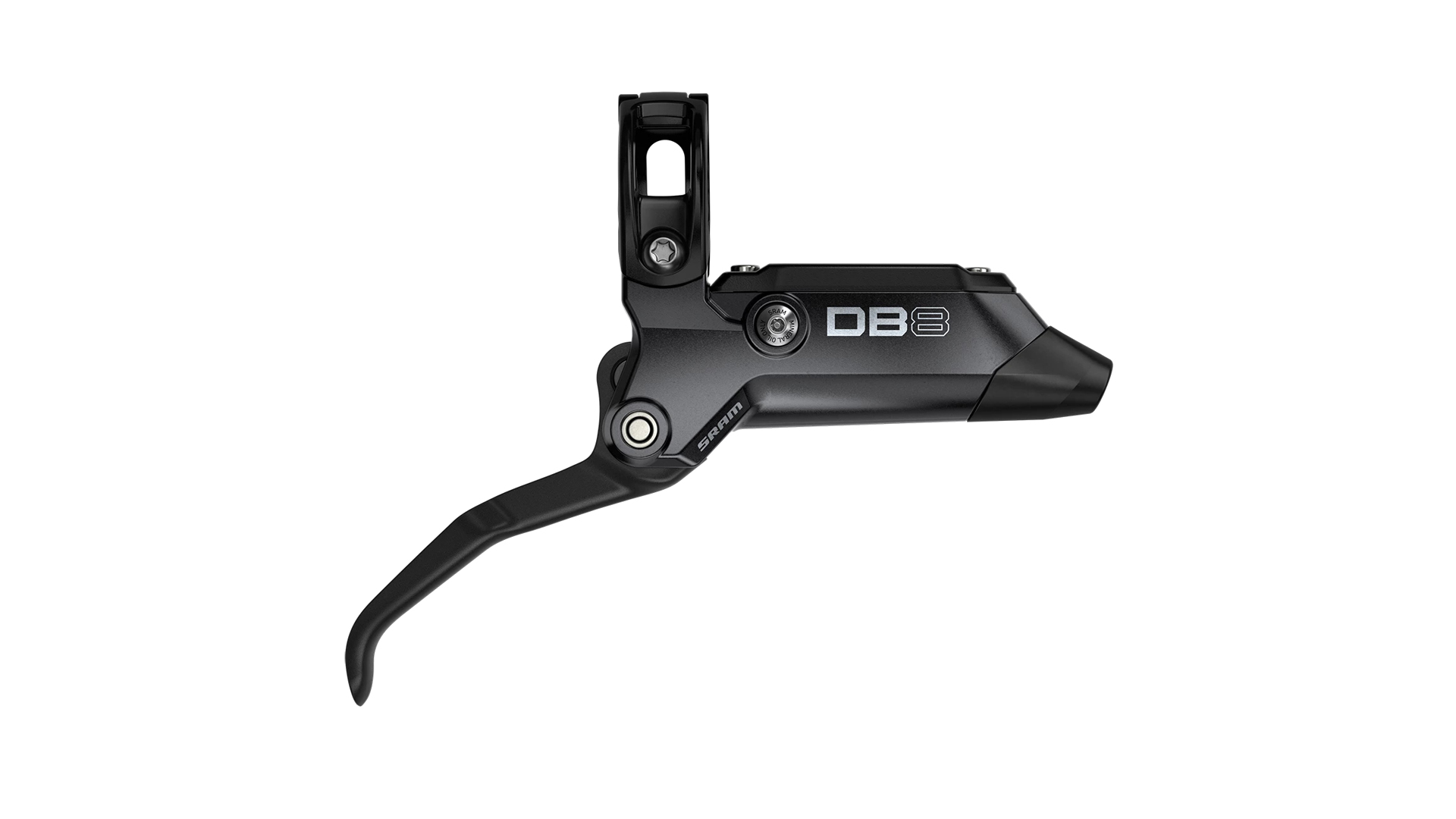
The lever uses a 3mm Allen screw for reach adjustment, is MMX compatible, and forgoes the sealed bearing pivot and pad contact adjustment knob of SRAM's premium brakes. It also goes without the SwingLink™ lever cam of the Maven or the DirectLink™ of the Motive. Since our test set arrived, the lever has been updated to SRAM's new "Stealth" standard with hose routing closer to the handlebar. According to SRAM's Chris Mandell, this should clean up the aesthetics of your cockpit a little, but there's no difference in power or feel between the new Stealth lever and the old lever tested here. As with all SRAM mineral oil brakes, it uses their wonderful reusable threaded hose barbs, but it also holds on to SRAM's bizarre love affair with torx bolts for cockpit components. Unlike SRAM's other brakes, the DB8's lever is single-sided and cannot be swapped from left to right. [Editor's note: The new Stealth lever is single-sided according to SRAM. The outgoing DB8 lever we tested was left/right compatible, with bleed ports on top and bottom]
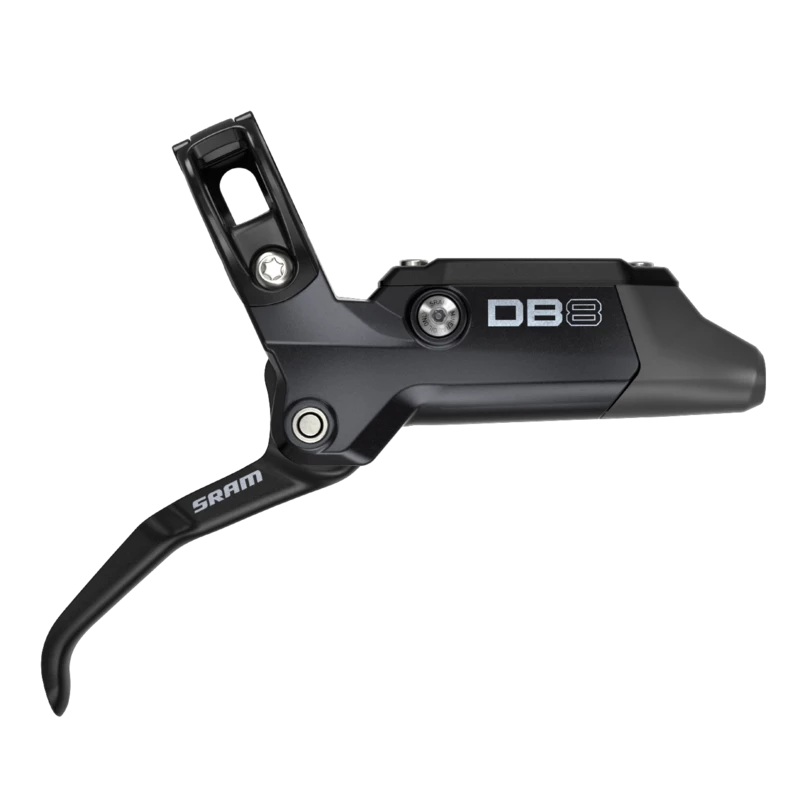
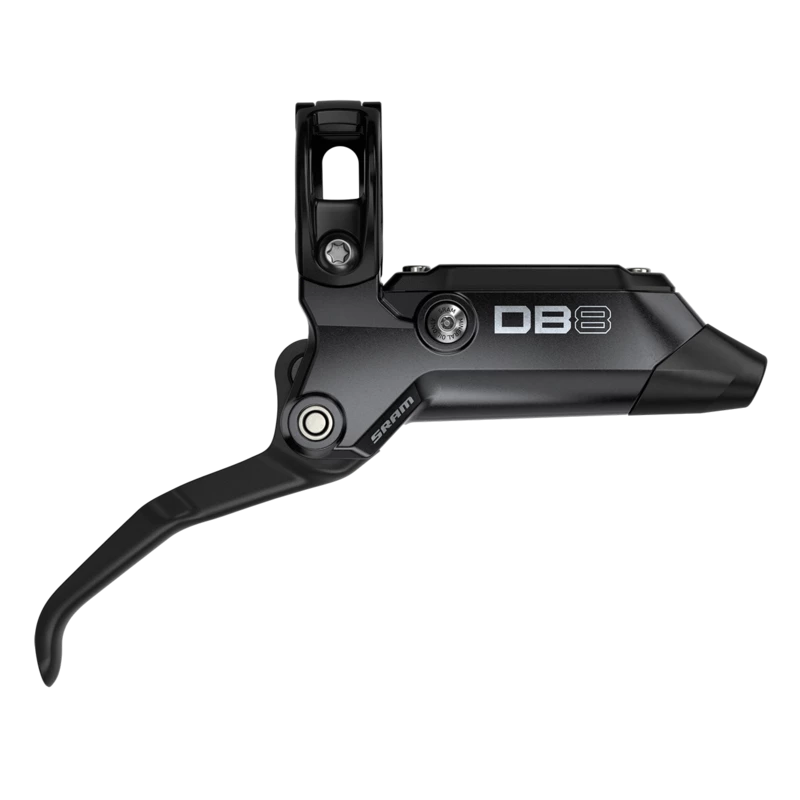


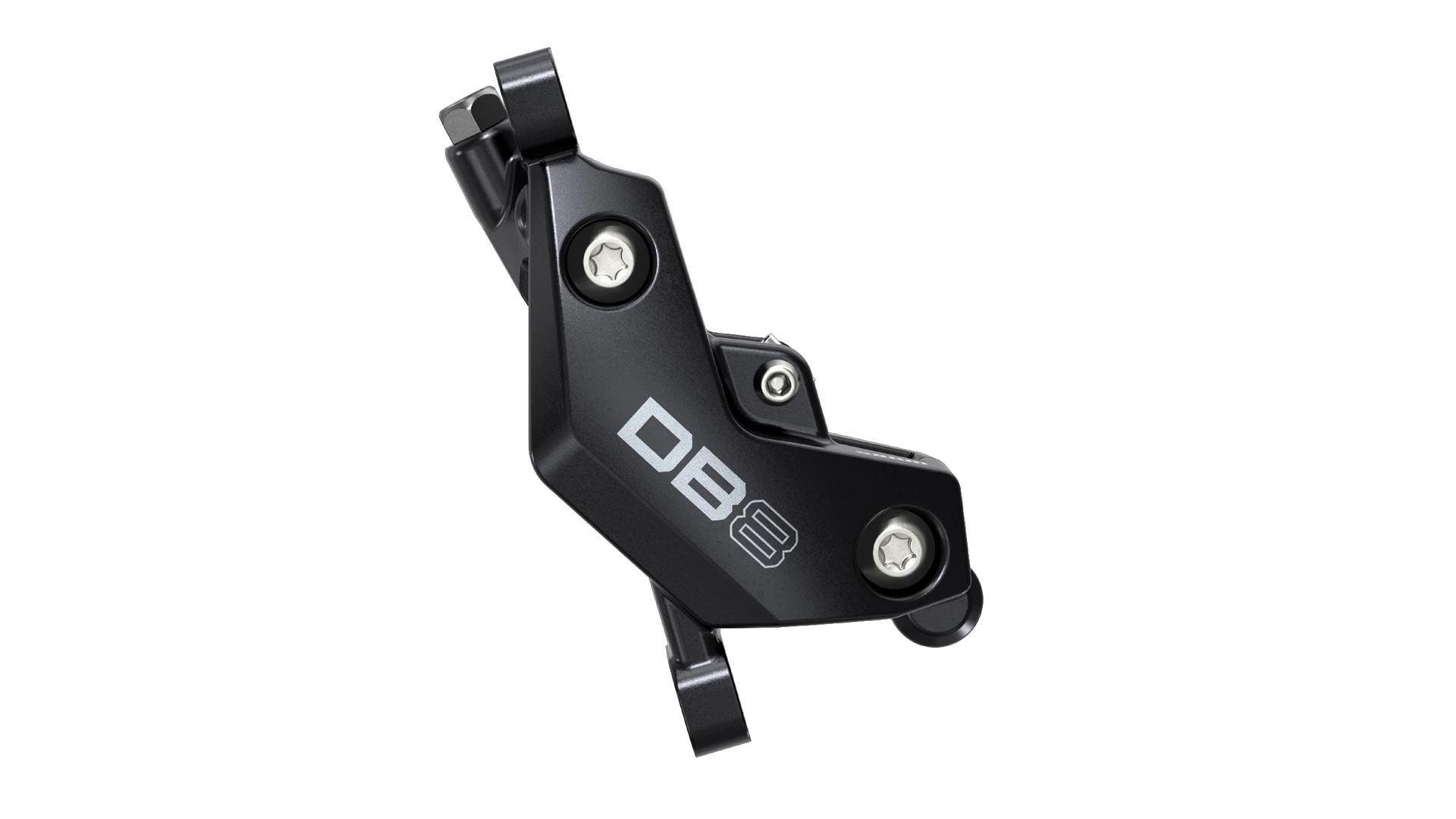
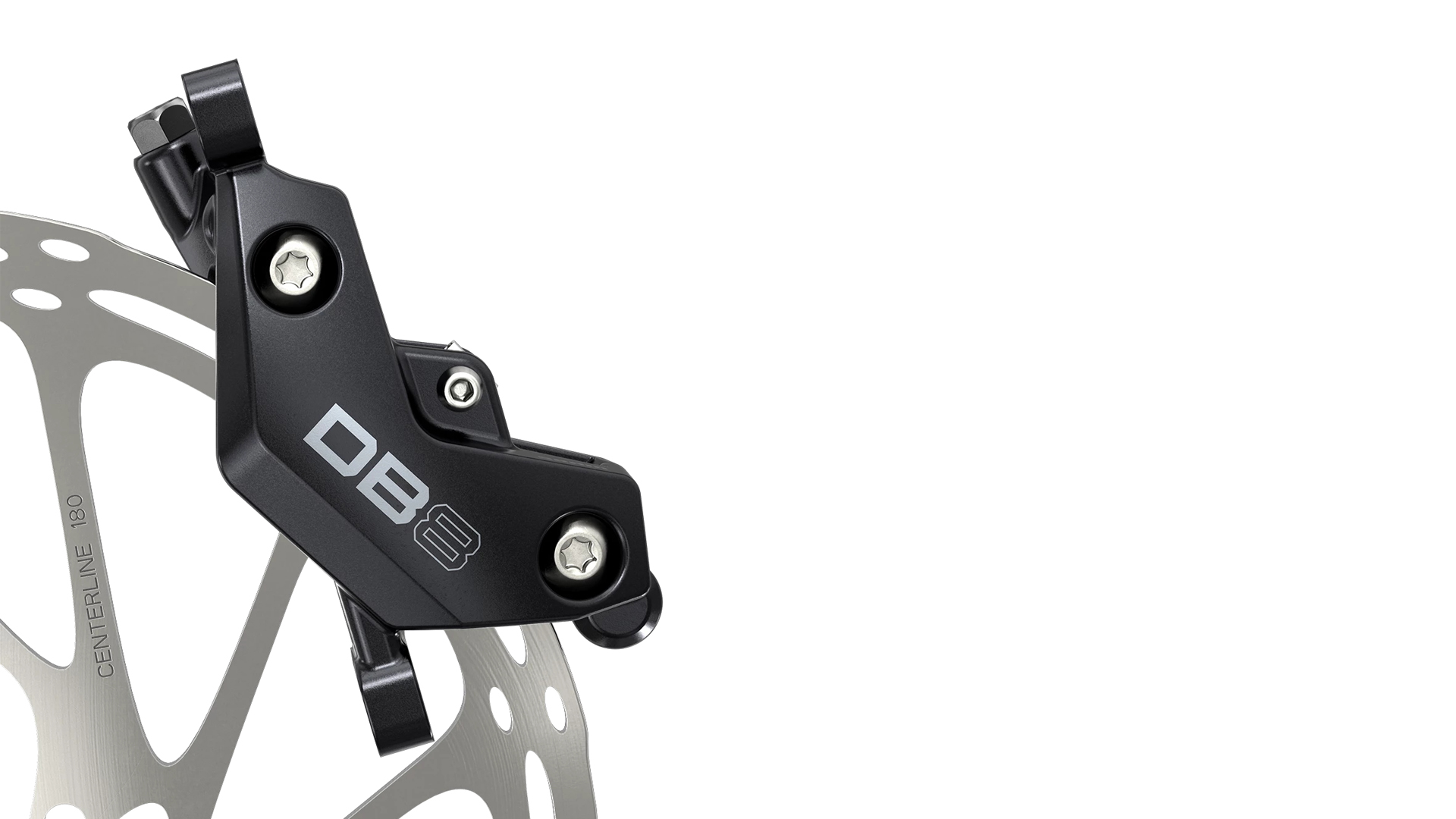
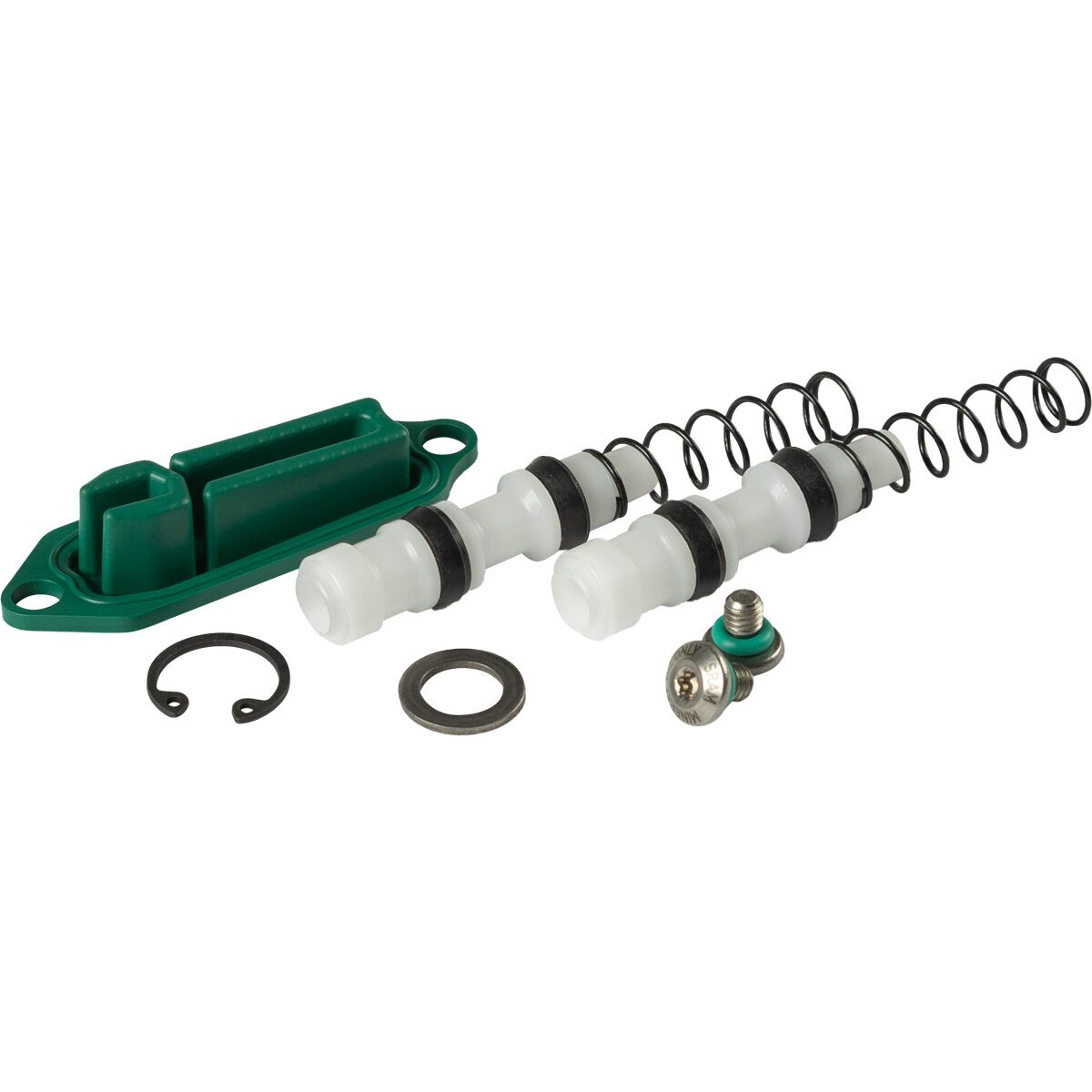
The caliper features the same 15 and 16mm piston size as the outgoing Code and uses the same replacement piston kit as the Motive, meaning that the DB8 caliper is serviceable and rebuildable. The DB8 and Motive also share the same classic 2011+ Code brake pad. Unlike the Motive, the DB lineup uses a threaded bleed port at the caliper instead of the bleeding edge bleed fitting. Both fittings are included in all SRAM bleed kits. Like all of SRAM's mineral oil brakes, the DB8 takes only green Maxima brake fluid.
Initial Impressions
Our first experience with DB8s was during the Enduro Test Session at Snow Summit where they came spec'd on the mid-level 2024 Nukeproof Mega 290. We'd read about SRAM's new mineral oil brakes, but even though they'd already been out for a year and a half, none of us had ever seen them in the flesh. We all commented about how good the brakes felt in the parking lot, with a solid, snappy bite at the lever and the ability to really stop the wheel on command. However, the brakes let us down in testing due to the stock organic brake pads, which felt great at lower speeds but dropped off in power as soon as heat started building up in the system.

I'm a metallic-brake-pad-only kind of guy, so I didn't take too much away from the brakes based on that experience. All of us at Vital were curious to give the DB8s another go with pads that were more appropriate for our style of riding.

When the brakes showed up, I immediately loved the generous lever shape of the non-Stealth DB8 levers because, while they are Matchmaker compatible, they didn't necessitate a full Matchmaker-X cockpit like the low-clearance Maven Stealth levers they were replacing. There was plenty of room for the band clamps on my Shimano shifter and Wolftooth dropper lever. With the updated DB8 Stealth levers (and the DB6 and DB4), you should expect to have more trouble mounting non-SRAM shifters and dropper levers. If you're getting these brakes on a complete bike, you're probably fine.

There was a bit of a learning curve for me with SRAM's mineral oil bleed procedure. SRAM recommends pulling a vacuum with the syringes to finish off each step of the bleed, but I found that SRAM's Pro Bleed Kit syringes always sucked in a little air whenever I pulled a vacuum. This happened regardless of which syringe I used, on DB8 and Maven brakes, at the lever and the caliper. I could draw seemingly endless large and small bubbles by pulling a medium-ish force vacuum, even though the SRAM bleed video shows their mechanic pulling one heck of a vacuum. Instead, I switched to a push-only bleed method, bleeding from the top down to start, and then from the bottom up to finish. Ditching the vacuum step and only pushing fluid worked great.
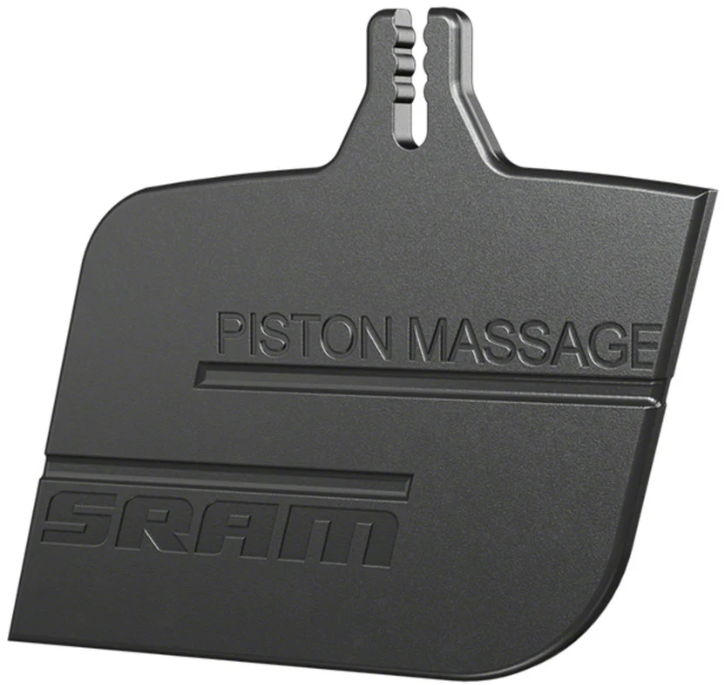
Also, even though the "Disc Brake Piston Massage" procedure is buried at the bottom of SRAM's mineral oil bleed procedure, I found this step to be an absolute necessity for getting a good bleed on the DB8. I rode the brakes for months before doing SRAM's piston massage procedure, but the levers maintained a degree of mushiness until I did. Once I did the full piston massage, both levers had a firm, snappy feel on the trail. Also worth noting that SRAM now offers a dedicated 3.8mm "piston massage" spacer instead of the previous recommendation to use two 2.0mm rotors. The DB8 caliper won't clear a 4mm spacer or two 2.0mm rotors, which is why $4.00 US for SRAM's new 3.8mm spacer seems like money well spent.
So what exactly does the piston massage do? According to SRAM's Mandell, "It isn't purging air, and despite what some people say, it shouldn't be pushing air bubbles out if you have a good bleed. If a piston massage does push air bubbles out of the caliper, that's a sign it wasn't a good bleed." Mandell said the piston massage is "intended to reset the friction coefficient of the square-shaped rubber piston seals in the caliper." Those square rubber seals in the caliper serve two distinct purposes: they need to be slippery enough to slide in certain situations and sticky enough not to slide in other situations. Surprisingly, when you pull your brake lever during a normal braking event, the pistons don't slide through the caliper seals. Instead, the seals stay firmly in place on the pistons, gripping the pistons as they bend and twist in place to allow the pistons to extend. Once extended and twisted out of their natural shape, those square rubber seals want to snap back to a neutral position. It's this elastic spring force in the seal that provides the rebound mechanism in your brake system, not the vacuum from brake fluid. However, those square seals need to stay slippery enough to allow the pistons to occasionally advance in position as your brake pads gradually wear down and get thinner over time. SRAM chose the seal shape and material to provide a very specific rebound force for the brake, and the surface treatment of the piston, seal friction, and tolerances are scientifically tested and selected to create a very specific coefficient of friction. These tight design parameters are also why SRAM recommends using only Maxima Mineral Oil Brake Fluid.

Over time and after extensive use, and sometimes even as brand-new brakes sit in a hot sun-baked container for a month on their way across the Pacific Ocean, the square seals can develop unequal amounts of friction, leading to uneven piston activity when you pull the brakes and a vague feel at the lever. This is where the piston massage comes in. By cycling lots of fluid through the caliper and hyperextending the pistons, the massage procedure helps reset the piston/seal interface, restoring caliper function and lever feel. According to Mandell, this massage step is good to do when you replace brake pads, but he says it's a great thing to do every time you bleed the brakes, and even when your brakes are new. Simply put, "the piston massage is integral for getting the most out of the SRAM mineral oil bleed process." He even does the piston massage on his old Code now, even though the massage procedure was never officially recommended for that brake. You don't need to open the system or rebleed the brakes to do this step, so there's not much stopping you. Using the new 3.8mm piston massage spacer, it's about a five-minute job per brake.
On the Trail
I was really pleased with these brakes and could happily run them forever. I found their performance to be wildly acceptable for a budget brake. They aren't the most powerful or the most refined lever feel, but like Toyota's 1988 "Pickup" model, they're cheap, reliable, and they get the job done despite their lack of frills (and maybe because of it).

How is the lever, with no fancy linkage and its cheaper bushing pivot versus the fancy sealed bearings of SRAM's pricier offerings? It's fine. I found the difference between bearing and bushing pivots to be much more noticeable in a workstand than on the trail. As other reviews have noted, the brake has a predictable and consistent lever feel. I'd describe it as a relatively free, easy, and long lever stroke until the pads hit the rotor. When the pads hit, the lever feel is firm and somewhat wooden, especially with a good bleed and well-aligned piston, but the power isn't an on/off switch like a Maven.
In fact, brake feel was basically the opposite of the Maven Ultimates they replaced. With the DB8, even after its firm initial bite point, you can keep pulling and getting more power. This made for a more manageable onset of power compared to the Mavens and it was easy to modulate brake power for stoppies, nose wheelies, and low-traction steep sections. I liked it a lot.
Here's a poor attempt at analogies: the Maven Ultimate feels like driving a nail with a framing hammer. The DB8 feels like tying the laces on my riding shoes. It's easy to get them right where I want them, but no matter how tight they are, it's always possible to pull a little harder and get them just a little tighter if I need to.
I tend to drag a lot of rear brake when I ride, which meant the DB8s were super helpful for modulating *just* a touch of power whenever I needed it, like tricky off-cambers, heading into a jump, or having second thoughts and braking a little late into a turn. The lever feel was similar to a Shimano XT 8120 four-piston brake, with a little more modulation and a little less "wham" than the Shimanos when you jam on the brakes.
Like the rest of the DB8 package, total power from the system was wildly adequate. Power was never an issue for me on descents less than 1200 feet and on days with lots of shuttling, but it could be an issue for heavier riders or on very long, steep, and rough descents like Whistler's "Ride Don't Slide" or Morzine's Le Pleney. The power from the DB8 is comparable to Code RSC's, a brake that's won its fair share of World Cup and EWS races and which shares the same 15/16mm piston size as the DB8. According to SRAM's Mandell, the DB8 produces slightly less power than the outgoing Code RSC because it lacks the mechanical advantage of the Swinglink, but it's not as much of a jump in power as what you'd see by going up in rotor size by 20mm.
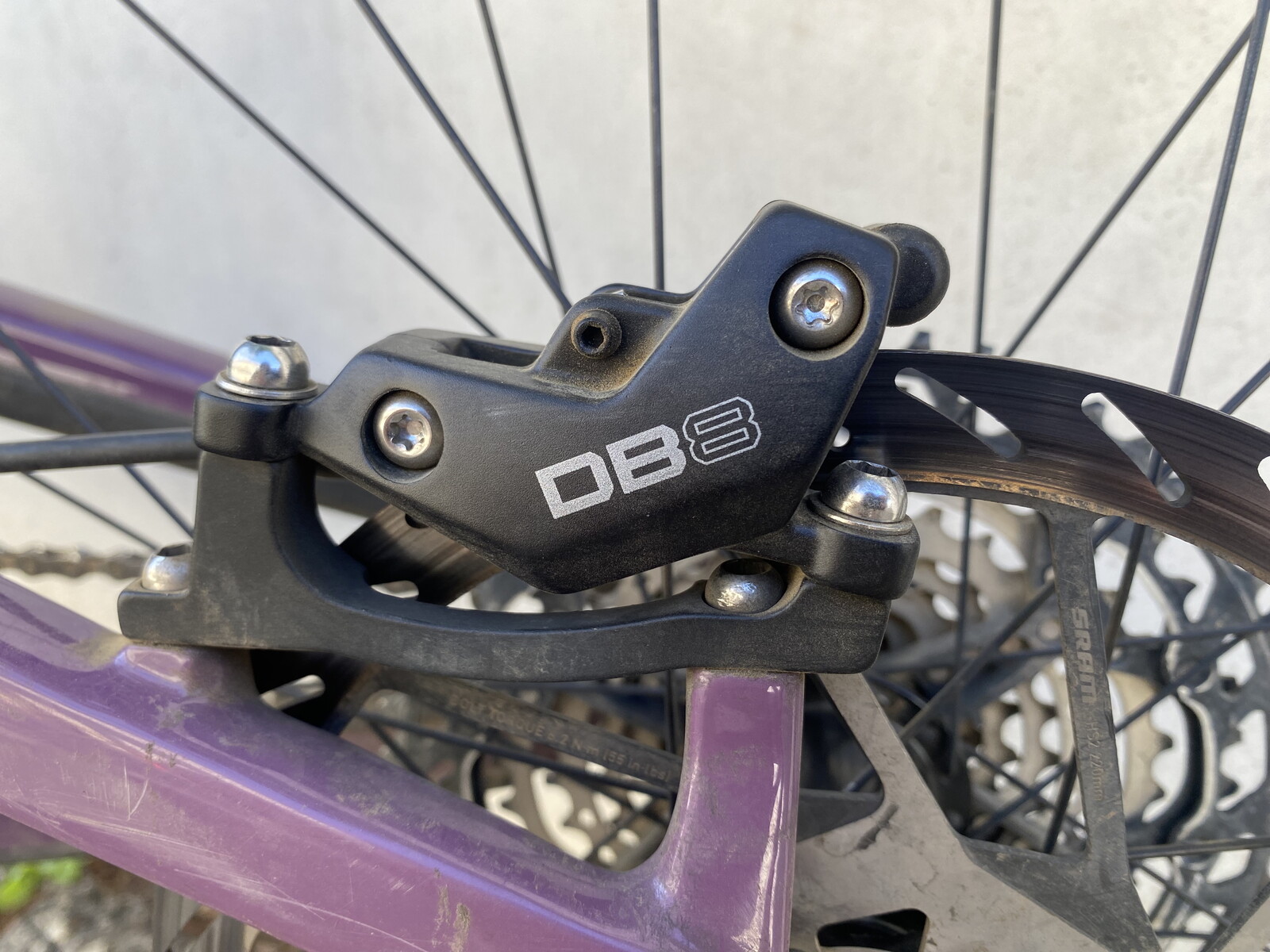
In a perfect world, I'd love to keep the lever feel of the DB8 but add a little more power, especially for my rear brake. I suspect this is what SRAM is trying to create with their newly released Maven Base brake, with its oversized pistons and DirectLink™ lever. I'd love to try the Maven Base and see how it compares, but given the choice between digging out the Maven Ultimates from my parts bin or keeping the DB8s that are already on my bike, I'm surprised to say I'm in no hurry to take them off.


The brakes were tested using SRAM 2.0mm HS2 rotors, and the older 1.8mm Centerline rotors that will likely come stock on complete bike builds. The brakes worked fine with either rotor, but I do prefer the snappier lever feel and increased braking force of the HS2 rotor. It's a nice upgrade in power and feel, but not a dealbreaker either way.
After six months on the bike, I haven't seen any sort of contamination or degradation in the mineral oil—it's still as green and translucent as ever. The 2011+ Code brake pads were the only weak link of this brake in our testing. After our initial experience with the underwhelming organic brake pads at the Enduro Bike Test Sessions, we only used SRAM's metallic pads this go around.
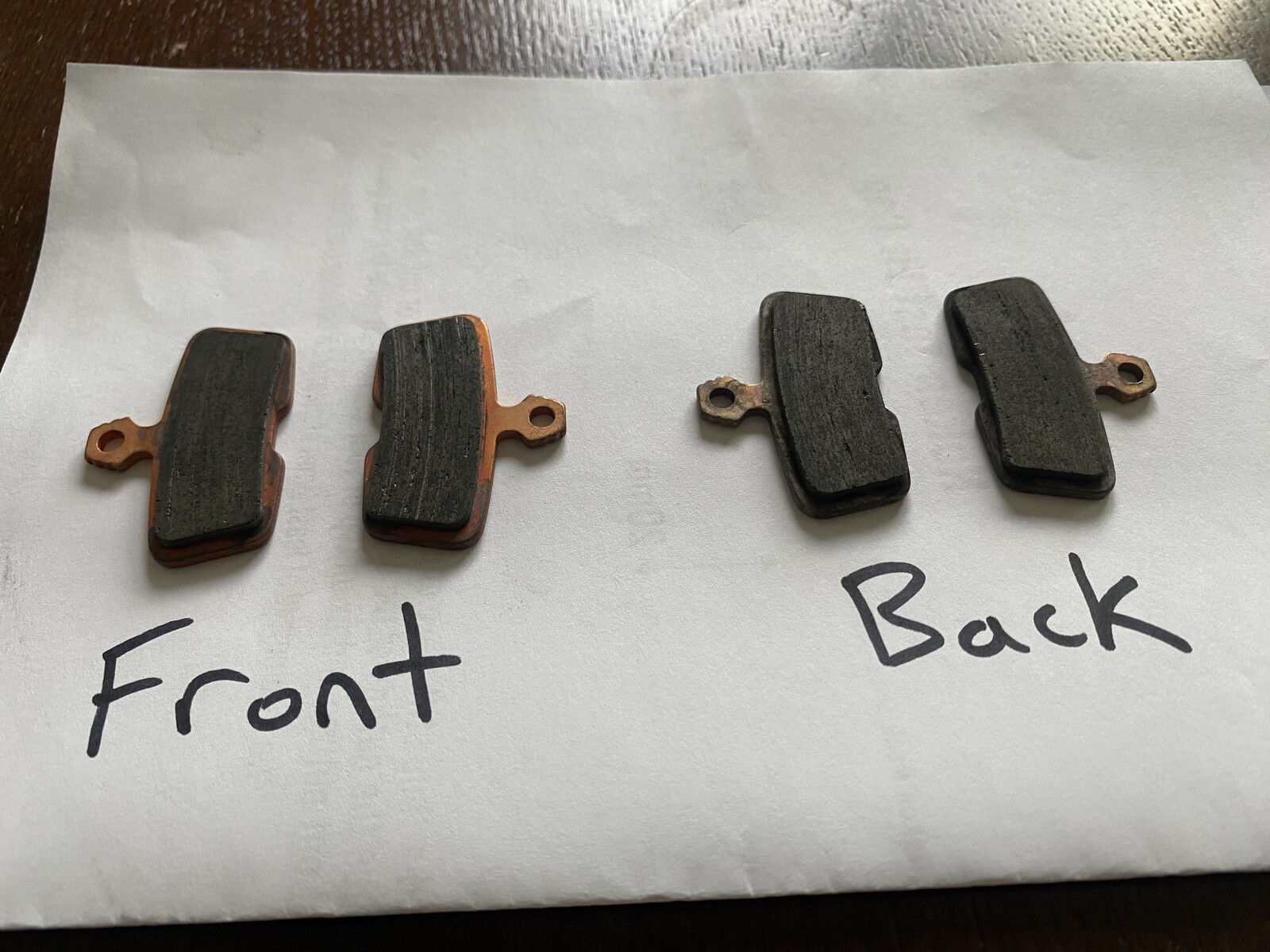
The metallic pads worked much better, but I still wore out the rear pads sooner than I'd like. During testing, I moderately glazed over the rear metallic pads a few times, which isn't entirely unique to this brake. Because I drag a lot of rear brake, it's an annoying occurrence for me on many brakes. Luckily, I was always able to remedy the glazing with a scuff of 100 grit sandpaper on the pads and rotor, some isopropyl alcohol to clean things up, and re-bedding with water.
After six months of riding in rain, snow, mud, and lots of dry SoCal dust, the front metallic pads are still going strong but it's time for a new set of rear pads. Luckily, SRAM's 2011+ Code brake pad is relatively cheap and ubiquitous at local MTB shops, and there are as many third-party pad compounds and rotors for the DB8 as there are stars in the night sky. If you want to try out a different pad and rotor combo with these brakes, our "Nerding out on Brakes" forum is a great place to hear which combos have worked for others. If you have a bike that came stock with the DB8 and you're not quite loving them, we would recommend trying metallic pads, a rebleed and piston massage, and potentially a different rotor size or shape before giving up on the DB8. You might be surprised how much performance you can get out of SRAM's little black sheep.

What's The Bottom Line?
This is a solid set of brakes for trail, enduro, and e-bikes (once you ditch the stock organic brake pads). For the price, they're tough to beat. They don't produce as much power as a Maven, they lack the mechanical leverage and sealed-bearing pivot of the outgoing Code RSC, and they don't come with fancy titanium bolts, but dang, they kinda just work. If your bike comes withthese brakes, or if you're budget shopping for a new set, we found the DB8 to be wildly adequate for our needs. SRAM's less heralded brake punches way above its weight.
- Setup/Bleed Process: 3.5
- Modulation: 4.25
- Power: 3.75
- Consistency: 4.5
- Overall Score: 4
About the Reviewer
Charlie Sponsel: Age: 36 // Years Riding MTB: 25 // Height: 6’3” (190.5cm) // Weight: 190-pounds (86.1 kg)
Charlie, aka TEAM ROBOT, loves building jumps and berms, smashing rocks in a straight line, and he's good at breaking stuff. He sounds grumpy when he talks about the bike industry, but we swear he's a happy guy underneath it all.

Specifications
Stealth lever architecture for a sleeker, more modern ride.
Code-like heavy duty power.
Tooled lever reach adjust.
Uses existing Code pads.
Designed for use with Maxima Mineral Oil only.
Designed for use with SRAM Mineral Oil Bleed Kit only.
Model ID DB-DB8-B1
| Where To Buy | |||
|---|---|---|---|
|
|
Free shipping on orders over $69 (continental U.S. only).
International shipping available. Some exclusions apply. |
Free shipping on orders over $69 (continental U.S. only).
International shipping available. Some exclusions apply. $180.50
|
|
|
|
|||
|
|
SRAM DB8 Disc Brake Black, Front
$102.59
|
||
|
|
SRAM DB8 Disc Brake Black, Rear
$137.00
|
||
|
|
|||
|
|
|||
|
|
|||
|
|
|||
|
|
Free standard UK delivery on orders over £50.
|
Free standard UK delivery on orders over £50.
£19.99
|
|
|
|
|||
|
|
SRAM Pro Dot Brake Bleed Kit
£93.00
|
||
|
|
|||
|
|
|||
|
|
|||
|
|
Free U.S. shipping on everything.
International shipping available. Some exclusions apply. |
Free U.S. shipping on everything.
International shipping available. Some exclusions apply. $206.25
|
|
|
|
|||
|
|
|||
|
|
|||
|
|
|||
|
|
|||
|
|
|||
|
|
|||
|
|
|||
|
|
|||
|
|
|||
|
|
SRAM Pro Bleed Kit - DB8/Maven
$130.00
|
||
|
|
|||
|
|
|||
|
|
|||
|
|
|||
|
|
|||
|
|
|||
|
|
|||
|
|
|||
|
|
|||
|
|
|||
|
|
|||
|
|
|||
|
|
SRAM DB5 Lever Blade: Each
$20.00
|
||
|
|
|||
|
|
|||
|
|
|||
|
|
|||
|
|
|||
|
|
|||
|
|
|||
|
|
|||
|
|
|||
|
|
|||
|
|
|||
|
|
|||
|
|
|||
|
|
|||
|
|
|||
|
|
|||
|
|
|||
|
|
|||
|
|
|||
|
|
|||
|
|
|||
|
|
|||
|
|
|||
|
|
|||
|
|
|||
|
|
|||
|
|
|||
|
|
|||
|
|
|||
|
|
|||
|
|
|||
|
|
|||
|
|
|||
|
|
|||
|
|
|||
|
|
|||
|
|
|||
|
|
|||
|
|
|||
|
|
|||
|
|
|||
|
|
|||
|
|
|||
|
|
|||
|
|
|||
|
|
|||
|
|
|||
|
|
|||
|
|
|||
|
|
|||
|
|
|||
|
|
|||
|
|
|||
|
|
|||
|
|
|||
|
|
|||
|
|
|||
|
|
|||
|
|
|||
|
|
|||
|
|
|||
|
|
|||
|
|
|||
|
|
|||
|
|
|||
|
|
|||
|
|
|||
|
|
|||
|
|
|||
|
|
|||
|
|
Free shipping on orders over $49 (continental U.S. only).
International shipping available. Some exclusions apply. |
Free shipping on orders over $49 (continental U.S. only).
International shipping available. Some exclusions apply. $25.00
|
|
|
|
|||
|
|
|||
|
|
|||
|
|
SRAM DB8 Disc Brake Caliper
$70.00
|
||
|
|
|||
|
|
|||
|
|
|||
|
|
|||
|
|
|||
|
|
|||
|
|
|||
|
|
|||
|
|
|||
|
|
|||
|
|
|||
|
|
|||
|
|
|||
|
|
|||
|
|
|||
|
|
|||
|
|
|||
|
|
|||
|
|
|||
|
|
|||
|
|
SRAM Matchmaker X Adapters
$34.00
|
||
|
|
|||
|
|
|||
|
|
|||
|
|
|||
|
|
|||
|
|
|||
|
|
|||
|
|
|||
|
|
|||
|
|
|||
|
|
Free shipping on orders over $50 (continental U.S. only).
International shipping available. Some exclusions apply. |
Free shipping on orders over $50 (continental U.S. only).
International shipping available. Some exclusions apply. $25.00
|
|
|
|
|||
|
|
|||
|
|
|||
|
|
|||
|
|
|||
|
|
|||
|
|
|||
|
|
|||
|
|
|||
|
|
|||
|
|
|||
|
|
|||
|
|
|||
|
|
|||
|
|
|||
|
|
|||
|
|
|||
|
|
|||






25 comments
Post a reply to: The Black Sheep: SRAM's DB8 Brake Long-Term Review