



The Slash+ is an eMTB that’s meant to handle the most aggressive terrain without an aggressive weight penalty. As soon as the current generation Slash came to market, Trek immediately had riders requesting an electric version to bring that long travel bump-eating performance up the mountain a little quicker. Long-travel eMTBs are nothing new, but the way Trek did this one is pretty special.
Trek Slash+ Highlights
- 170mm rear wheel travel // 170mm fork
- Mixed wheel configuration (M-XL) // Full 27.5-inch (Small)
- TQ HPR50 system
- 580 Wh battery
- 50 Nm torque // 250W max output
- Top tube mounted display w/ handlebar controller
- 63.4-degree head tube angle
- Size specific chain stay lengths
- Adjustable headtube angle
- Two build kit options
- Progression flip chip in lower shock mount
- Verified weight (size XL): 46.5 lbs // 21.1 kg
- MSRP: $6,999 (9.7) // $11,999 (9.9)

Overview
Sitting on mixed wheels with 170mm of high pivot rear suspension, the Slash+ is a paternal twin to the Slash, with the only subtle difference being the slightly enlarged downtime and motor housing around the crankset. Trek has done a great job of keeping the motor and battery as subtle as possible. The frame includes all of the same features as the Slash, like a neatly integrated rear fender, bolt-on lower shock mount with a progression flip chip inside, and an independently adjustable headtube angle. As for the powertrain, the TQ HPR50 system provides 50Nm of torque and 250 max output watts paired with an impressive 580Wh battery. The battery is easily removable via a cover around the bottom of the downtube. A charging port at the top of the downtube ensures the optional 160Wh range extender will integrate as neatly as possible when mounted.
Geometry
The Slash+ is a mirror reflection of the Slash in the size XL configuration with a few minute differences in geometry. Trek reduces frame sizes from five down to four on their eMTB lineup, so sizes in the middle of the range blend together more, resulting in larger jumps between sizes. The XL felt like a perfect fit for someone my size, and I had zero complaints about the body position over the bike. The chainstay length sits at 439mm in the static position but grows around 18mm throughout travel to provide a balanced, planted feel. The rearward axle path of the rear suspension glued the rear wheel to the ground, while the 63.4-degree head tube angle kept the front wheel hugging the ground through various terrain types. For riders looking to fine-tune the geometry, the head tube angle is adjustable by +/- 1 degree via drop-in headset cups which are sold separately.

TQ HPR50 System
The TQ system features a nicely integrated top tube display with a toggle to select between four preset screens that display battery life, assist level, range, speed, rider and motor watts. A wired bar mounted switch allows toggling on the fly between assist modes and tucks in nicely along the lefthand brake hose. The HPR50 motor integrates very neatly into the bottom of the down tube and is wrapped with molded frame protection to keep things safe and concealed. With the bike upside down the down tube protection can be removed with a single bolt, allowing the battery to slide out the bottom for traveling or trailside swaps. At the back of the bike, the speed sensor is neatly integrated just in front of the axle and cable management is neatly tucked alongside the main pivot hardware on the non-drive side.
Build Kit
I was amazed by how well the 9.9 build rode straight out of the box. It was refreshing after having a few other bikes in my stable over the summer which required quite a bit of modification to feel comfortable. It required minimal tweaking to get the fit exactly where I wanted, which is impressive considering it came with a relatively low rise handlebar compared to what I'd normally run.

The only component that turned out to be pretty far from what I wanted was the tire choice. The Bontrager SE5 // SE6 tire combo felt great in deep soil where traction was limited, but on harder surfaces, it squirmed a bit under the weight of the bike and myself. Additionally, in sharper, rocky terrain around Phoenix, AZ, I was 3 for 3 on flat tires before I swapped to a DH casing Maxxis tire and no longer had any issues. Before anyone jumps to conclusions about tire pressure, keeping consistent pressures was made as easy as possible thanks to a set of TireWiz pressure sensors included out of the box. On the topic of wheels, I will say how impressed I was with the Bontrager Line 30 carbon wheels. I finished those three rides on a flat tire through some extremely rocky terrain and managed not to put a single crack in the rear wheel. I'd be happy to run these wheels on any bike without concerns.


Moving on to the rest of the build kit, which is SRAM head to toe, everything on the 9.9 level bike pairs perfectly with the intentions of the bike. I really like how the TQ system allows the X0 AXS Transmission rear derailleur to be hardwired to the battery on the bike to minimize the number of batteries to charge. The seat post still requires charging and fits in well with the build kit, but the 170mm length is certainly a short coming on a size XL bike, I think something cable actuated with a longer travel drop would be the move and then put that savings into bringing the cost down slightly. The RockShox ZEB Ultimate fork provides all of the necessary adjustments to match the rear suspension. Out back, a Vivid Ultimate leaves little to be desired in terms of adjustability and pairs perfectly with the kinematic and intentions of the bike.

Setup
Like the rest of the bike, I had an easy time getting comfortable with the suspension on the Slash+ with a small adjustment period to get the rear shock dialed in. Being a regular ZEB rider, I went for my usual 102psi in the air spring up front with one volume reducer. On the damper side, I set rebound 6 clicks from closed, -1 from middle on HSC, and +2 from middle on LSC. My initial setup on the Vivid Ultimate shock was around 285psi for a little under 30% sag, which spiked a bit initially. I dropped down to 275psi which helped the bike hug the ground much better. Damper settings were set to 3 from closes on rebound, -1 from middle on HSC, middle on LSC, and HBO spent most of the time in the -1 position unless I was riding bigger features. I was pleased to still find ample bottoming resistance even at the lowered pressure and with the bike in its more linear setting.

On The Trail
On trail confidence stemmed from the comfortable fit of the Slash+ and its very laterally stiff chassis. This stiff chassis helped the Slash+ feel precise and responsive to high levels of rider input and allowed heavy lateral loading without wavering off line. Slotting the bike into turns with a high level of input resulted in a nice straight line when it was time for momentum to go sideways. Where rider input was often transmitted directly into the trail with a slight loss of energy, trail feedback was absorbed through the bike well and helped keep the front wheel on line when things got off camber. In high frequency chatter a fair amount does come through the front of the bike, but its a worthy tradeoff for how well the bike handles when pushing it to the limit.

Rear Suspension Performance
I was pleasantly surprised by the balanced suspension characteristics of the high-pivot platform. I think spending two years aboard Trek's Session downhill bike built some anticipation that the Slash platform might have that sluggish, dead feeling associated with some high-pivot bikes that can make them a bit less enjoyable for my preferences. Luckily, the Slash+ turned out to be anything but that and carried a lively feeling on trail that made it easy to generate speed or get off the ground at a moments notice, all while offering exceptional bump-eating performance. There was just enough mid stroke support to keep the bike from blowing through travel but maintained that amazing response to high velocity inputs that made it feel like I could do no wrong.

Suspension Kinematics
Where bikes with high levels of mid-stroke support can become overwhelmed in high-speed chatter, the Slash+ seemed to excel and never seemed to skip a beat or present any adverse side effects. When looking at the combination of suspension kinematics and shock spec of any stock bike, there is usually some component of that equation that serves as a necessary tradeoff to improve performance in another area. In the case of mid stroke support, the way that Trek has built that support into the bike and simultaneously softened the edge of successive hits as shaft speeds start to increase is where I felt like the system was most beneficial. I think Trek absolutely nailed the relation between axle path, kinematic, and shock tune with this bike and the result is very much a "best of both worlds" type of descending experience.
TQ HPR50 Motor Performance
The TQ system does more than just neatly integrate into the frame, but also neatly integrates into the ride experience of the Slash+. The seated position on the bike provided a comfortable pedaling position, and the TQ motor promoted very natural pedaling habits as opposed to the less involved experience of bikes with more power on tap. Power delivery was incredibly subtle and I often felt like I wasn't moving very fast until I'd pass other riders and realize the pace I was carrying. The power became more apparent when things got steep, and the torque overrode the max output of the system. In these instances, power delivery was very obvious and instantaneous. The motor was incredibly quiet in all situations, making it easy to sneak by other riders without much audible noise. What was rather obvious was the upper idler pulley, which omits a fair amount of noise while spinning along. Luckily, this didn't translate to very much drag, and the excellent anti-squat qualities the idler created were certainly beneficial to the pedaling efficiency of the bike.

TQ 580Wh Battery Performance
Throughout testing, I never managed to kill the battery despite a handful of rides over 20 miles with around 4,000ft of elevation gain, which is quite impressive for the weight of the bike and myself. This statistic becomes less surprising when comparing the size of the battery to how well the TQ system manages power. What was most impressive about the power management of the motor was how it matched my riding habits to maintain the best possible power delivery and usage. The system acts to preserve the battery to help manage its temperature and preserve the motor and its components as things heat up throughout a ride. As a result, the system used less power than expected when riding in the highest assist level for longer durations. The ability to view battery life as a percentage and see how much ride time remained on the top tube display also helped me plan routes and assist usage.
Long-Term Durability
With any long-term test, there are bound to be components that hold up better than others. Here is what held up and what didn't on the Slash+.
Motor Interface: After a handful of rides aboard the Slash+, a fairly loud creak began developing while pedaling under load. I was unable to identify the root of the problem, but I imagine something around the motor interface would be the cause, as it only happened when torsional loading was applied. For the majority of pedaling situations, the bike remained silent, but when cranking for speed or up steep pitches where standing was required, the noise was rather obnoxious. I'd be curious to know if this was just a one-off incident with the bike I rode or if other users will experience the same.
Motor Guard: Cracked in one location but did not grow or spider into smaller cracks. This is an unfortunate bi-product of riding in Phoenix and is not a unique occurrence to this bike. I don't see the guard breaking being problematic in most terrain types. Thankfully Trek has these guards available on their website and in-store for only $9.99 should riders have a similar experience.

Broken chain: I can't remember the last time I snapped a chain. Unfortunately, it happened towards the end of testing, and I believe I found a likely reason for it. The lower idler of the chain guide seems to have a bit of movement. With how much the chain crosses from the ends of the cassette, this was likely a necessary design decision. However, the upper idler is fixed in its position. Therefore, any misalignment from the cassette can't be accounted for and is likely the culprit, given the immense amount of load it places on the chain when pedaling.


Tires: As previously mentioned, the stock tires squirmed a bit on hardpack terrain from the weight of the bike and myself, and in rocky terrain simply did not hold up. If the Slash+ were mine to keep, tires would be the first and probably only thing I would replace right off the bat.

What's the Bottom Line?
The Slash+ was created to make the most aggressive terrain more attainable for everyone and reflects that in the confidence-inspiring ride it provides. The bike felt so composed everywhere that it was hard to find any faults in the ride quality or suspension design. The only downfall I experienced was some frame creaking under load, which is annoying for any expensive bike. Creaks aside, the TQ motor added to the experience of the Slash+ and helped keep the handling characteristics as natural as possible. With some of the best descending performance I've ever experienced, I was pleasantly surprised by the duality of the ride characteristics that allowed me to have just as much fun on flow trails as I had out in the backcountry. If your rides are big and you want to go bigger or you just want to shorten up that total ride time, the Slash+ is hard to beat.
For more information on the Slash+, please visit Trek Bikes
View key specs, compare bikes, and rate the new Trek Slash+ in the Vital MTB Product Guide.
About The Tester
Jonathon Simonetti - Age: 31 // Years Riding MTB: 22 // Height: 6’4” (1.93m) // Weight: 230-pounds (97.5kg)
Jonny started mountain biking in 2003 after a trip to Northstar showed him how much more could be ridden on 26” wheels than on a BMX bike. He began racing downhill in 2004 and raced for 12 years until ultimately deciding having fun on a bike was more important than race results. After working as a mechanic in the industry for a few years and developing a deeper understanding of bikes inside and out, he has an aptitude for pairing his riding ability with the analysis of bikes and breaking down what makes them work well. He spends most of his time between trail rides and skatepark sessions, with occasional days on the downhill bike.
| Where To Buy | |||
|---|---|---|---|

|
$70 standard shipping on bikes (continental U.S. only).
|
$70 standard shipping on bikes (continental U.S. only).
$6,899.93
|
|
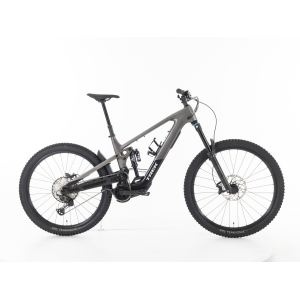
|
Slash+ 9.7 - 2026, Large
$6,899.93
|
||
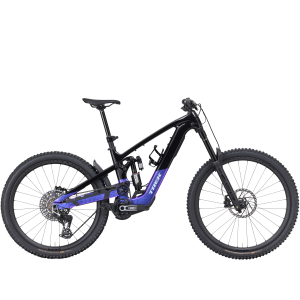
|
Slash+ 9.9
$10,499.90
|
||
|
Slash 8 Gen 6 - 2026, Small
$2,974.95
|
||
|
Slash 8 Gen 6 - 2025, Small
$2,974.95
|
||
|
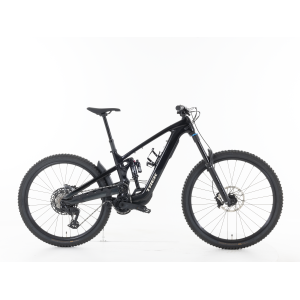
Slash+ 9.7 - 2026, Medium
$6,899.99
|
||
|
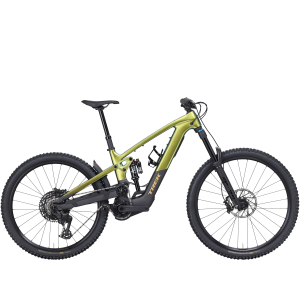
Slash+ 9.7
$7,999.99
|
||
|
Slash C Gen 6 Frameset
$4,299.99
|
||
|
Slash SE Gen 5 - 2025, Medium
$4,799.93
|
||

|
Slash C Gen 5 Frameset - 2023, Large
$1,999.91
|
||
|
Slash AL Gen 5 Frameset
$1,499.93
|
||
|
Slash 9.8 XT Gen 6 - 2024, Large
$5,999.99
|
||
|
Slash+ 9.7 SLX/XT - 2025, Large
$5,699.98
|
||
|
Slash 9.8 XT Gen 6 - 2025, Small
$3,999.98
|
||
|
Slash AL Gen 6 Frameset
$2,949.99
|
||
|
Slash+ 9.9 X0 AXS T-Type - 2025, Large
$6,999.99
|
||
|
Slash+ 9.9 X0 AXS T-Type - 2025, Medium
$6,999.99
|
||
|
Slash 9.8 XT Di2 Gen 6 - 2026, Medium
$4,000.93
|
||
|
|||
|
|||
|
|||
|
|||
|
|||
|
|||
|
Slash 9.8 XT Di2 Gen 6
$5,999.93
|
||
|
|||
|
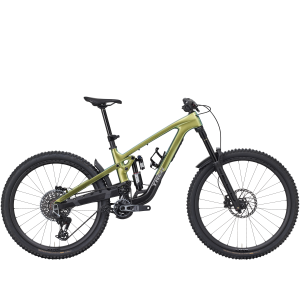
Slash 9.9 X0 AXS T-Type Gen 6
$7,799.93
|
||
|
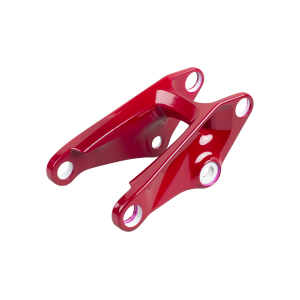
Trek Slash Gen 4 Rocker Link
$249.99
|
||
|
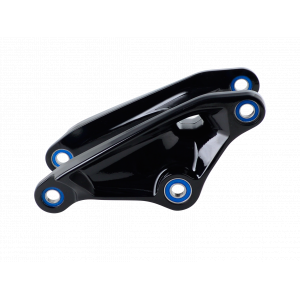
Trek Slash 27.5 Rocker Link
$229.99
|
||
|
|||
|
|||
|
|||
|
|||
|
|||
|
|||
|
|||
|
|||
|
|||
|
|||
|
|||
|
|||
2/26/2025 3:33pm


View replies to: Long-Term Review - Trek Slash+
Comments