



High rise bars (over 40mm) are hot right now. They’re popping up in the DH world cup circuit and showing up on bikes of your most core riding buddies. More riders are getting curious around whether high rise can work for them in trail and enduro applications. High-rise bars offer confidence on descents. They encourage riders to bend their elbows to keep their center of gravity low. Bent elbows put riders in a better position to absorb impacts and control their bike as needed—especially in the steeps.
Riders on higher bars also benefit from pedaling comfort. Higher bars give you a more upright—and relaxed—body position on long climbs. The problem is, if you wanted a high-rise handlebar and great ride feel, options were all but non-existent—until now.

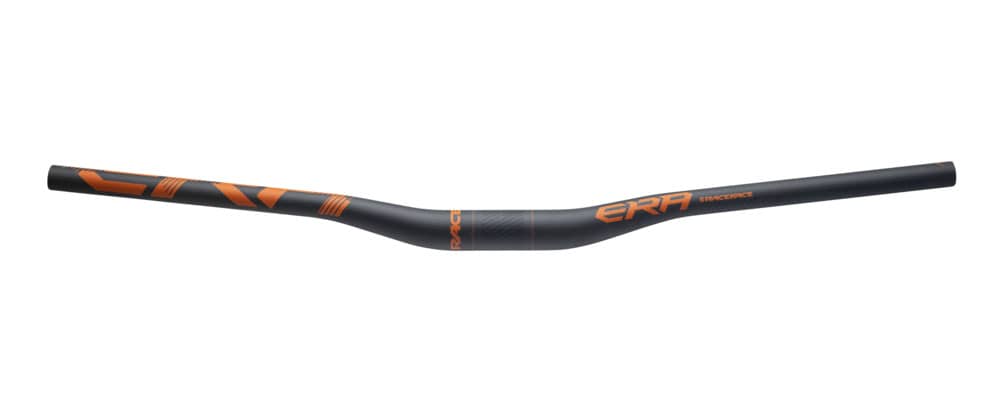
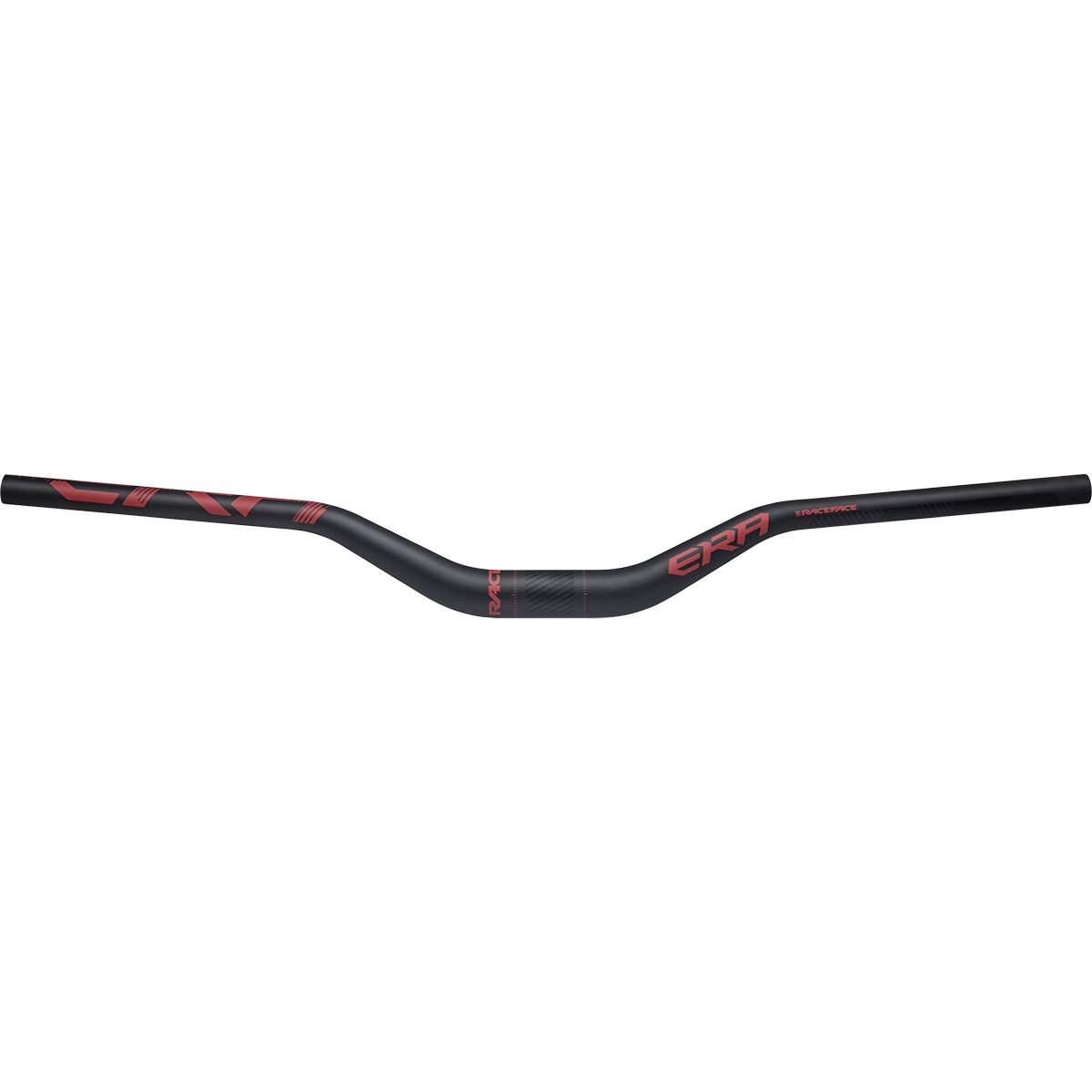
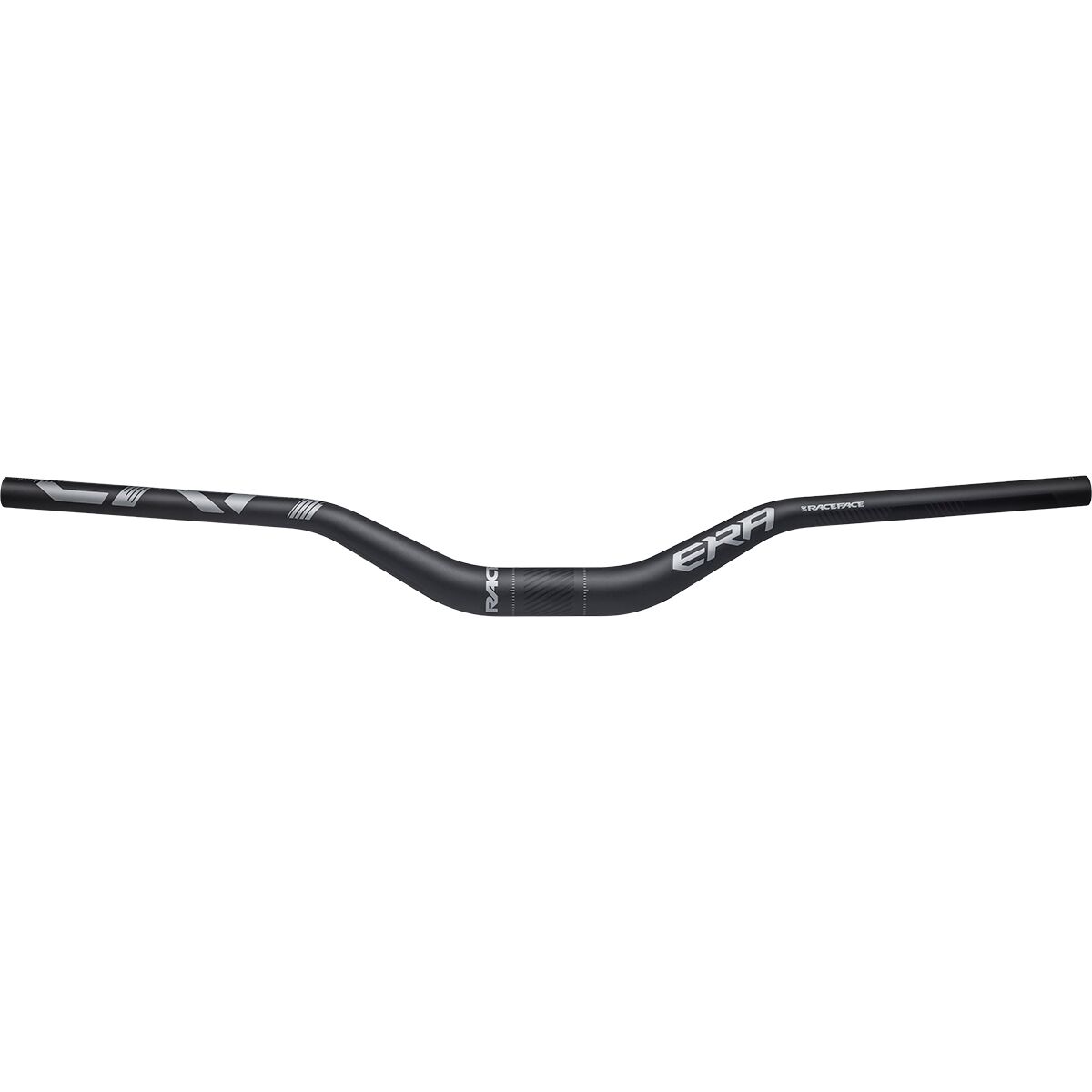
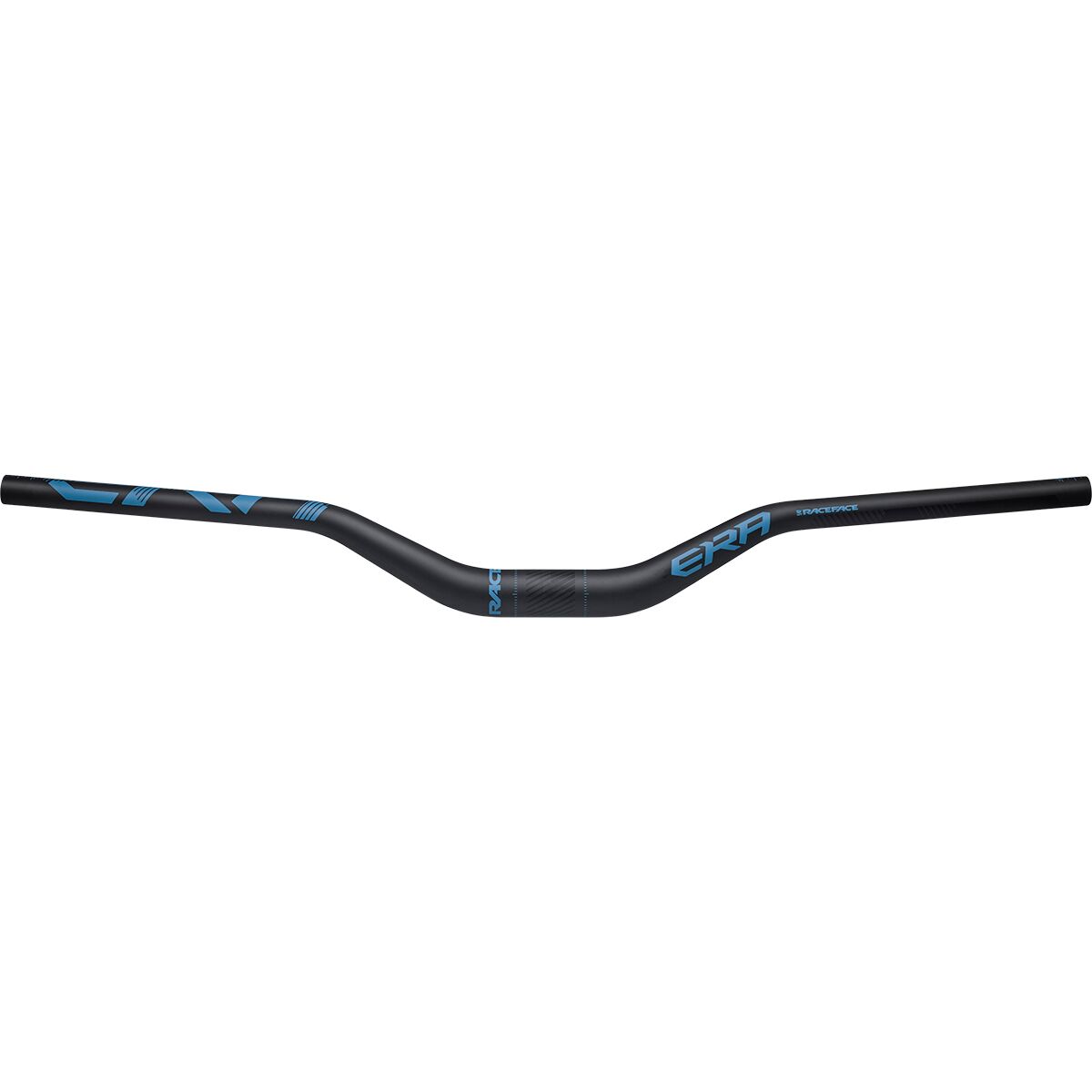
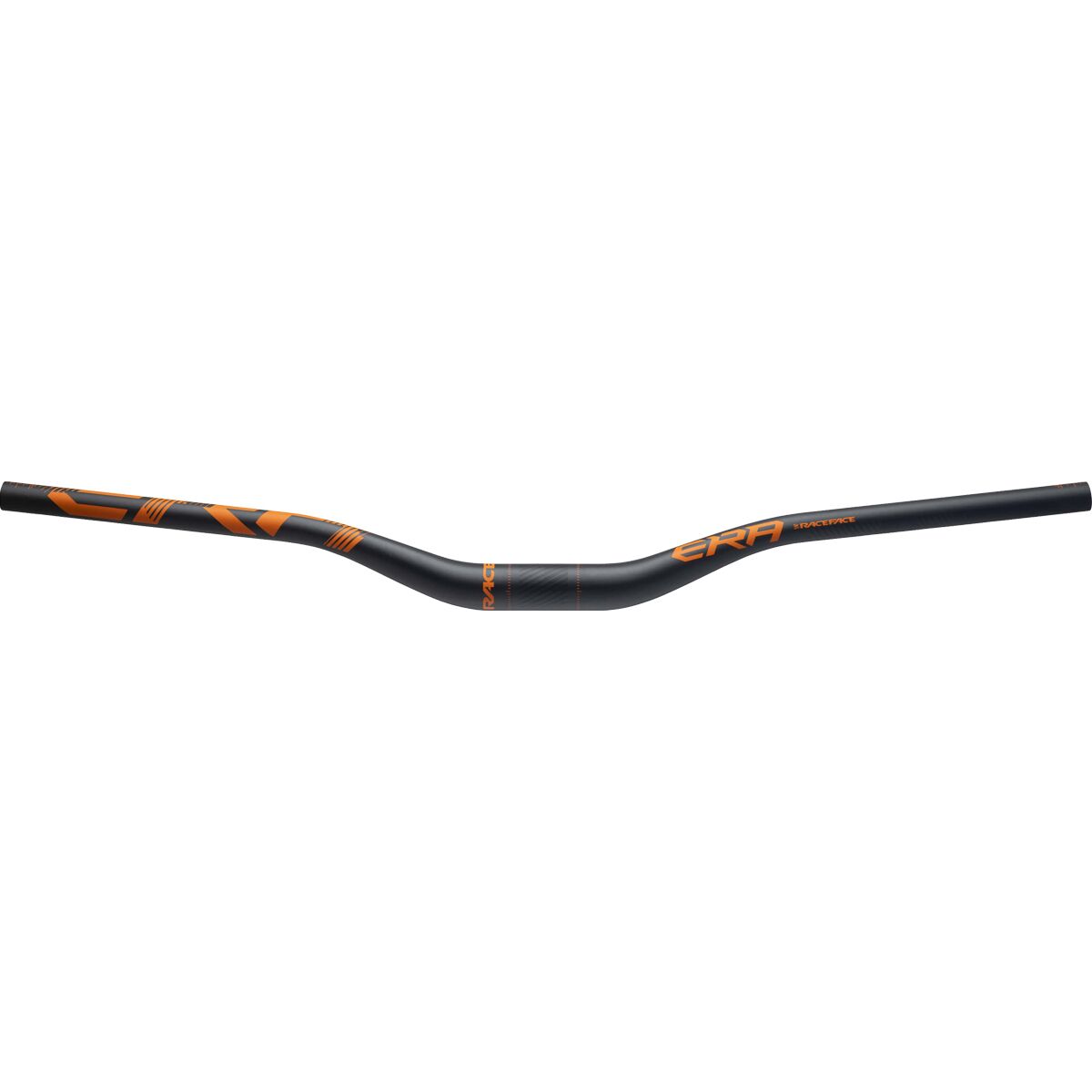
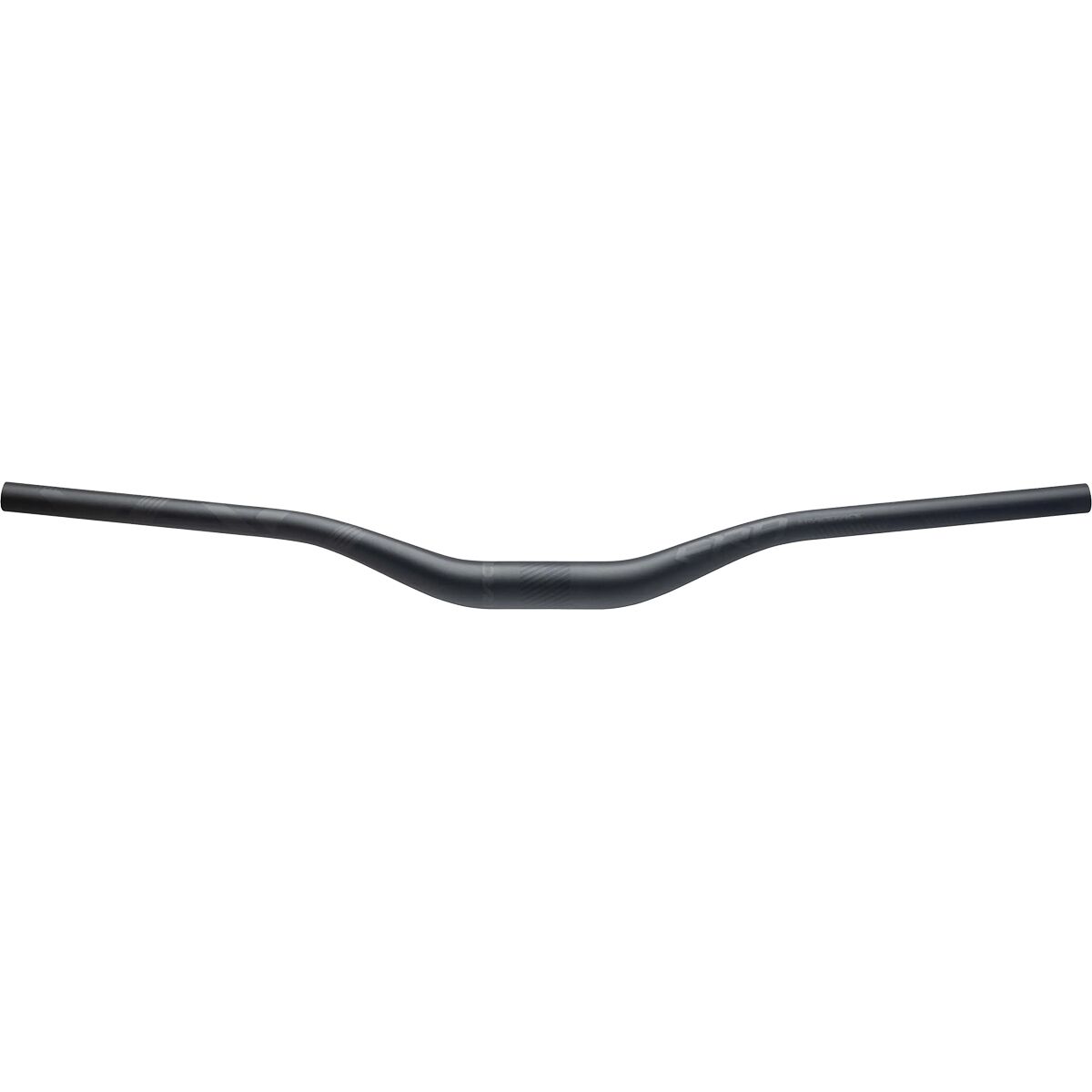
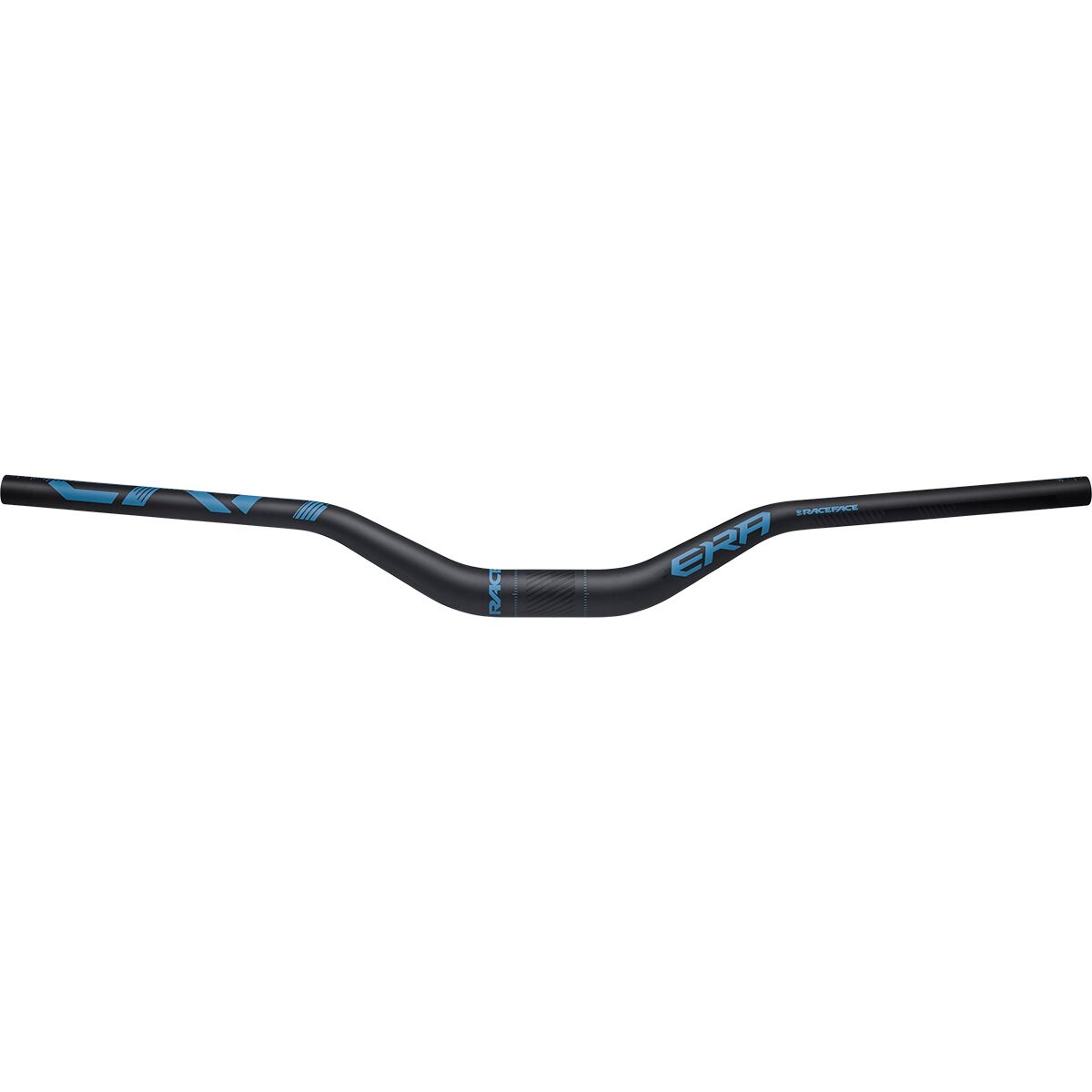
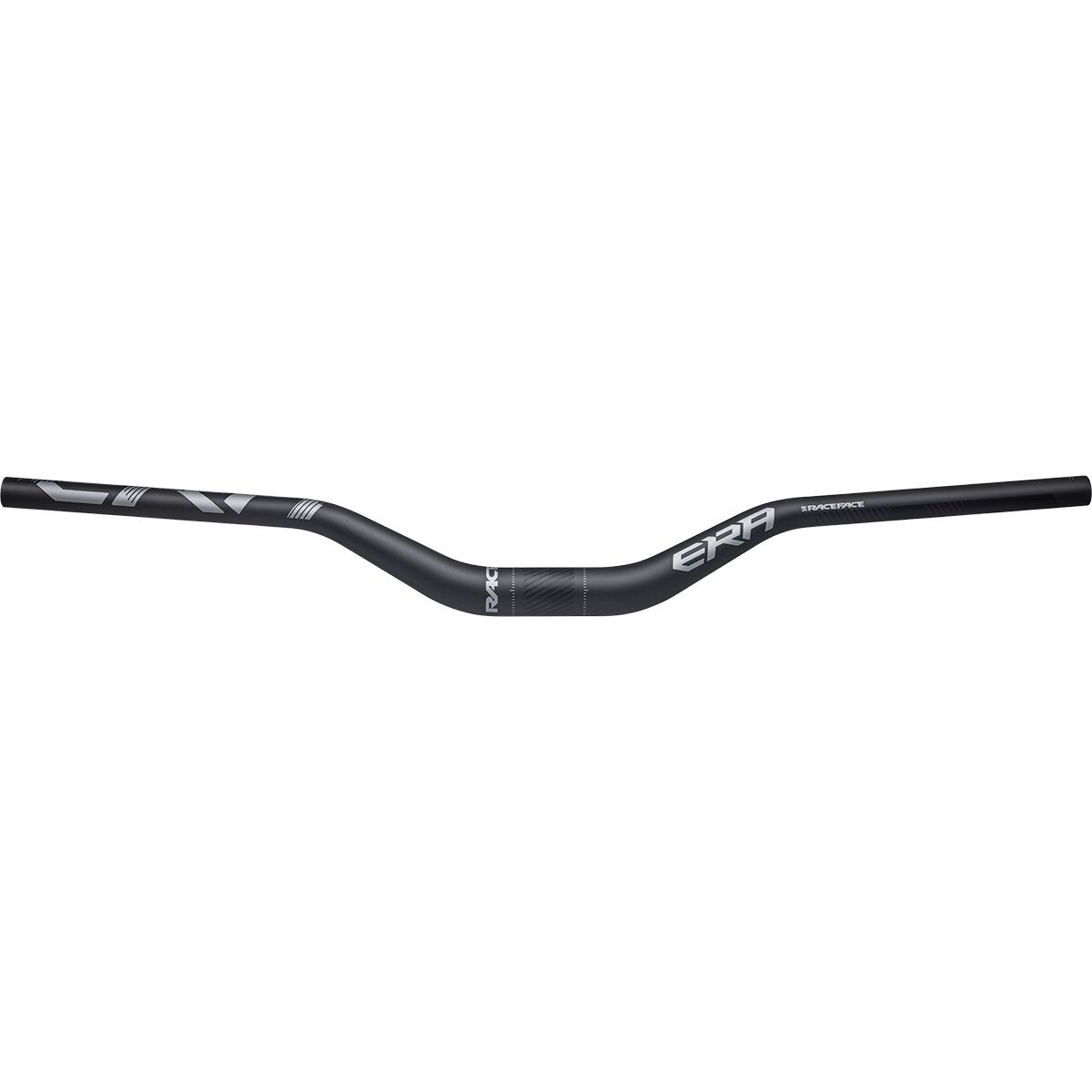
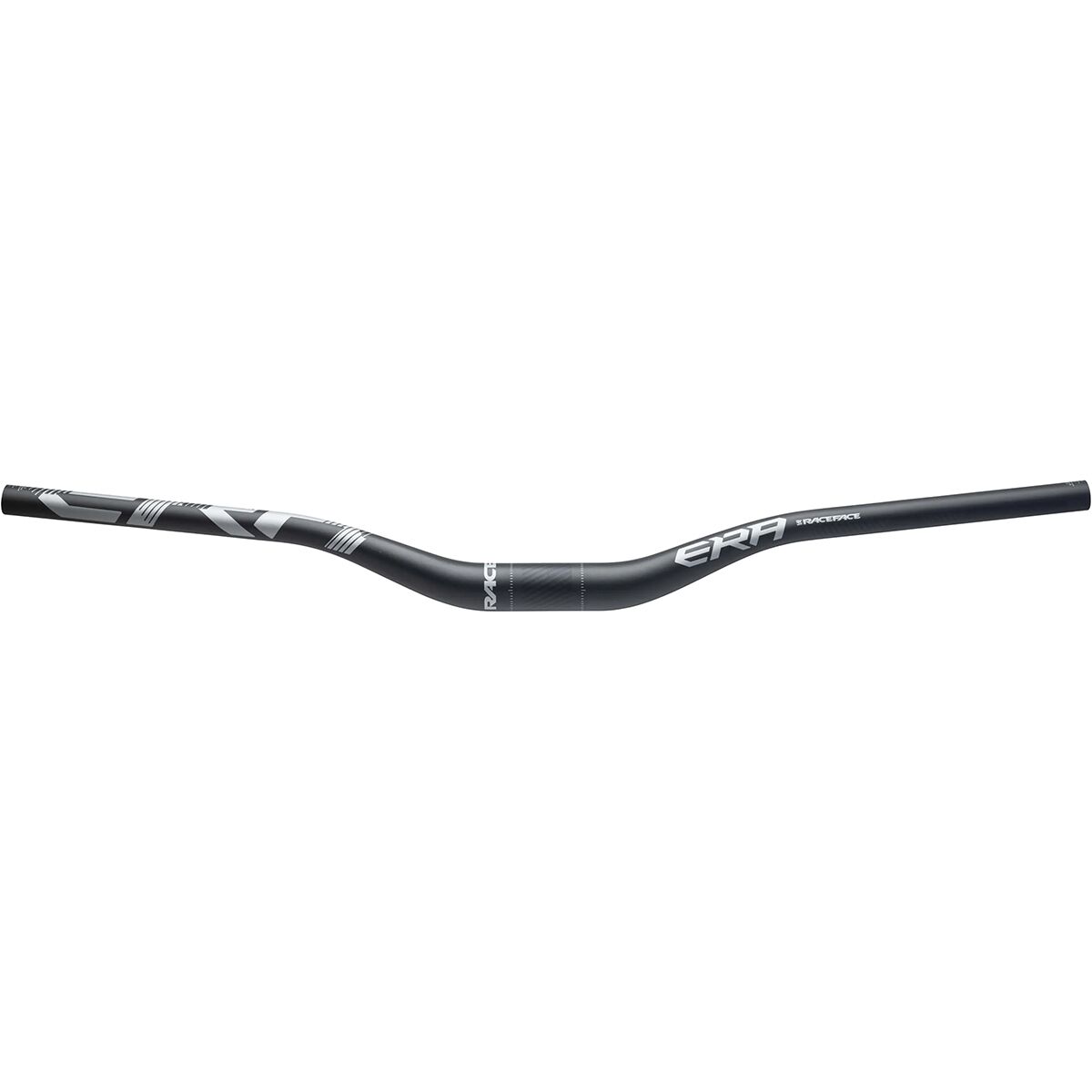
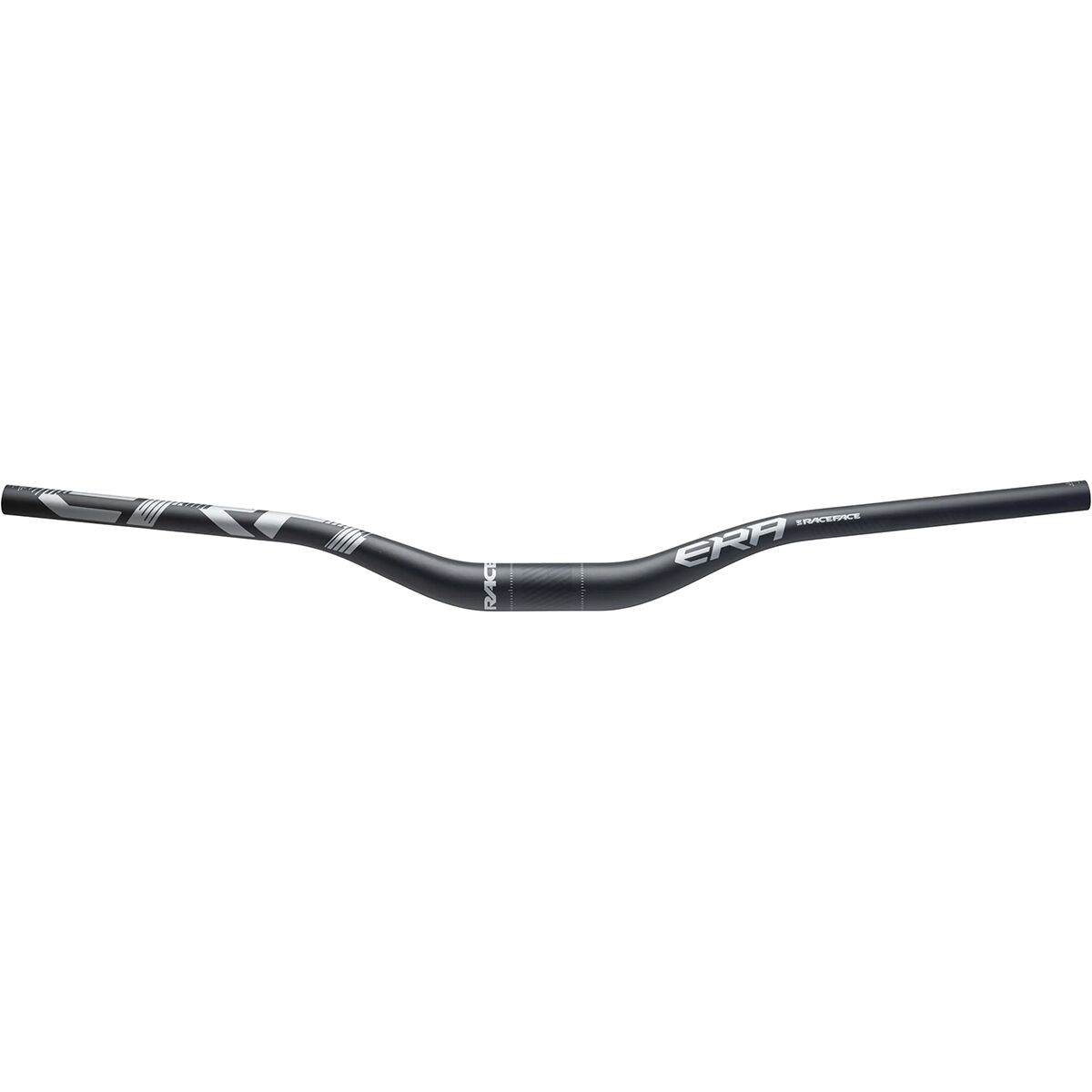
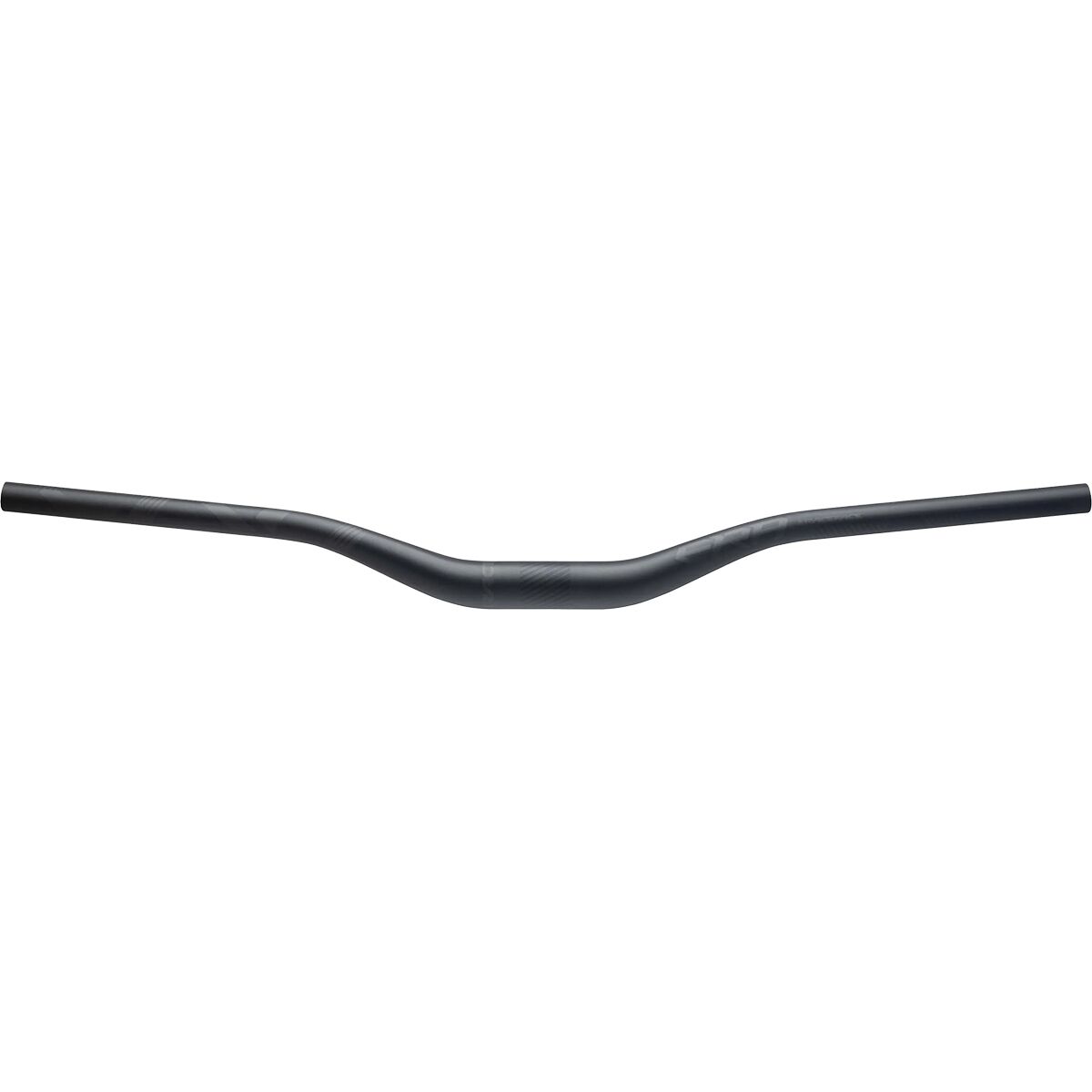
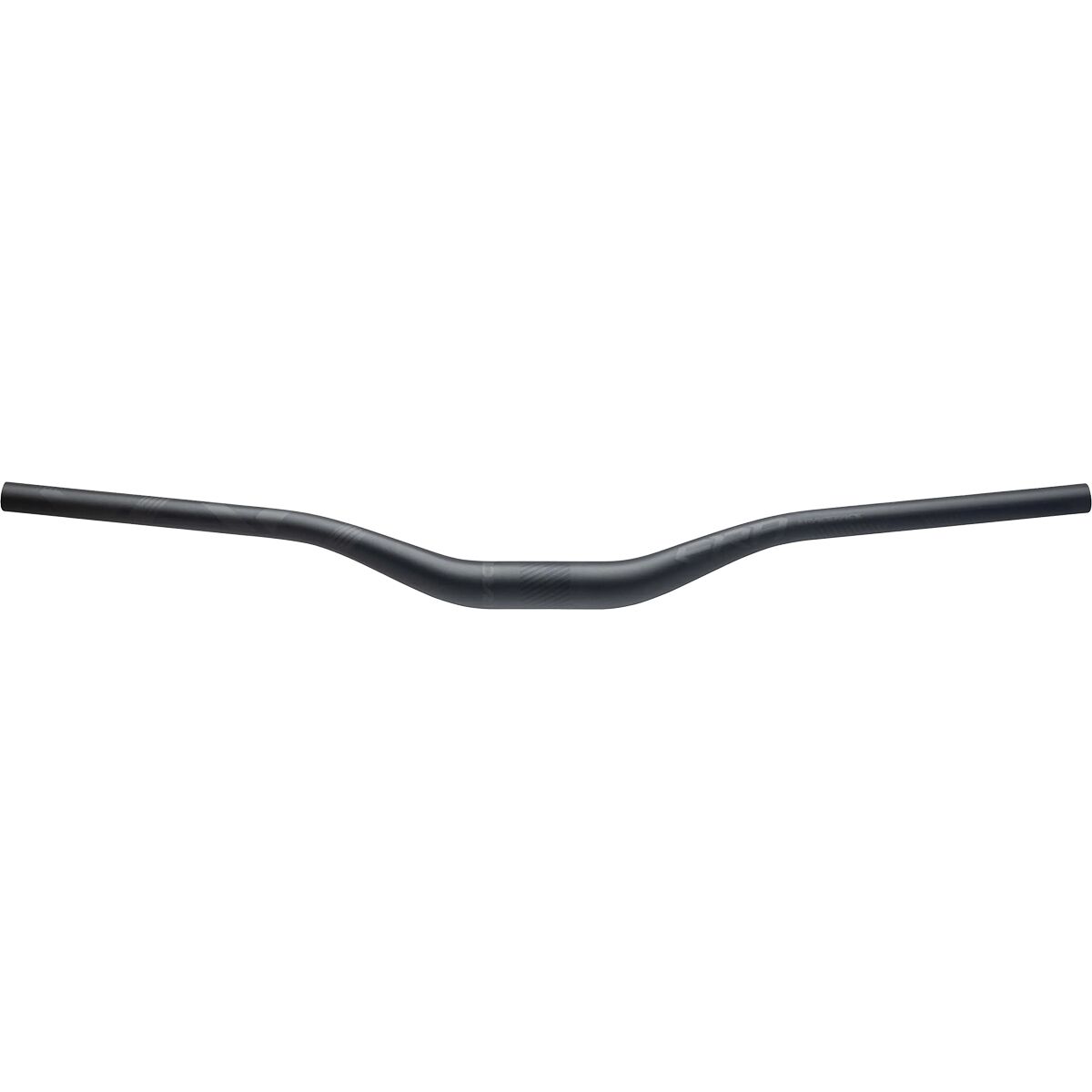
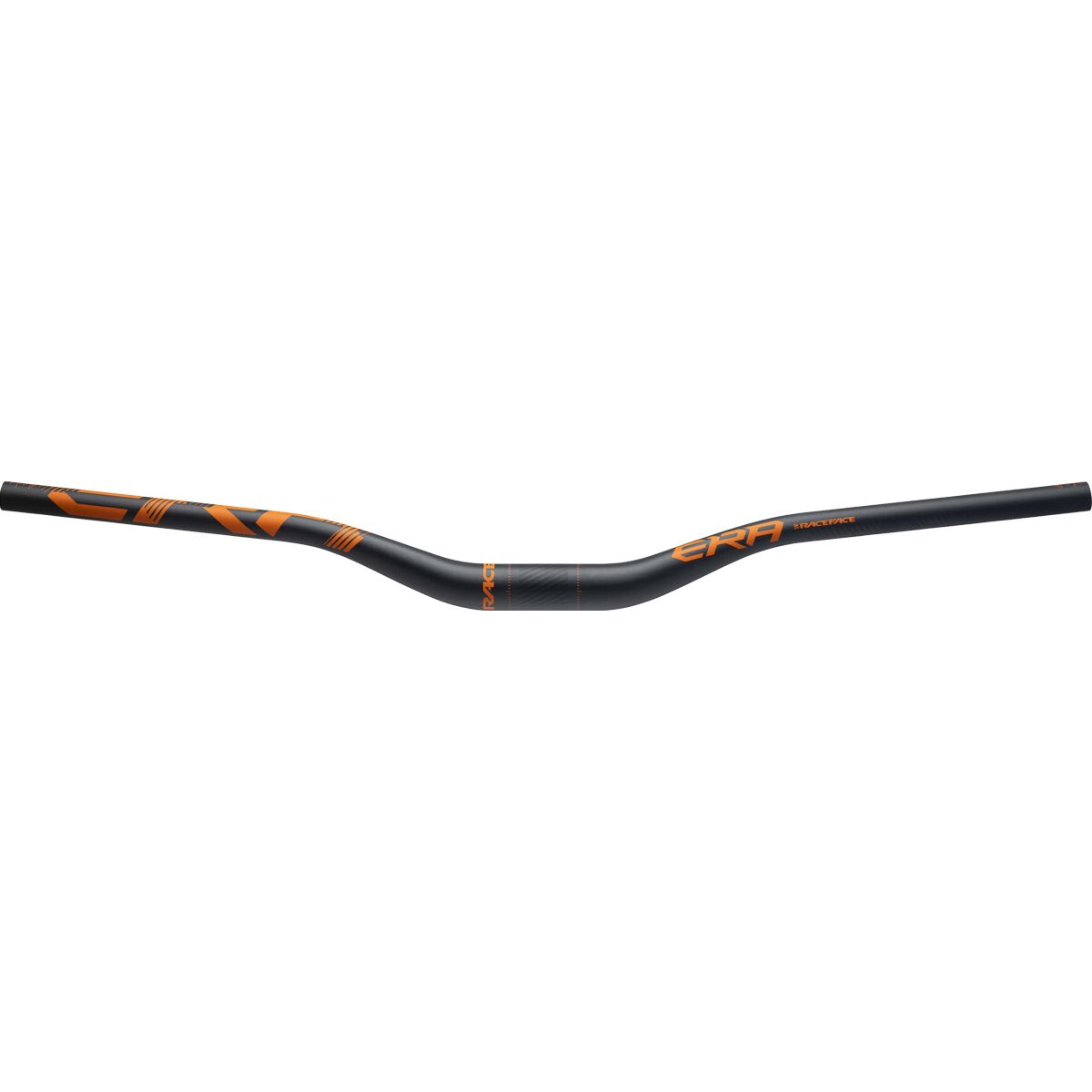
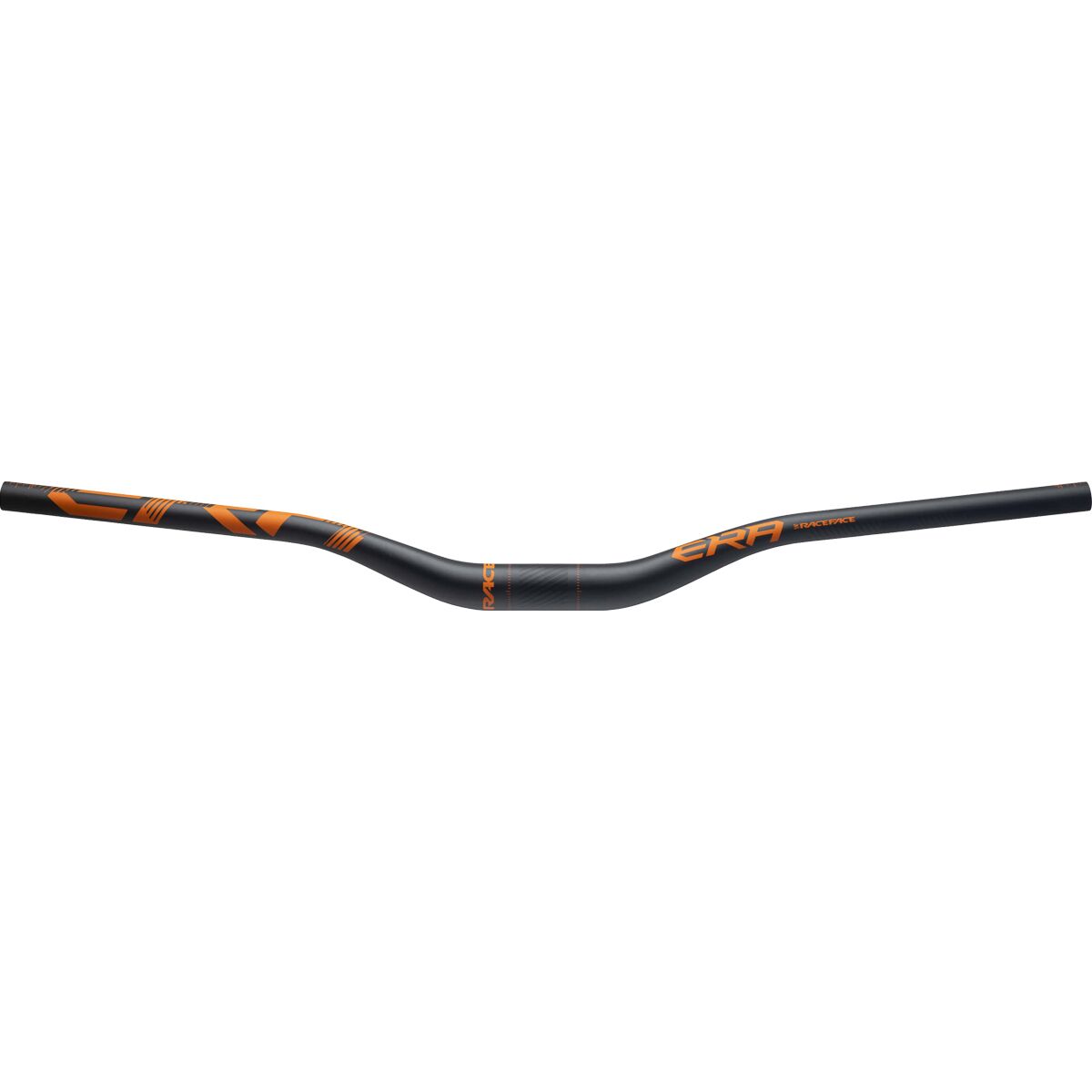
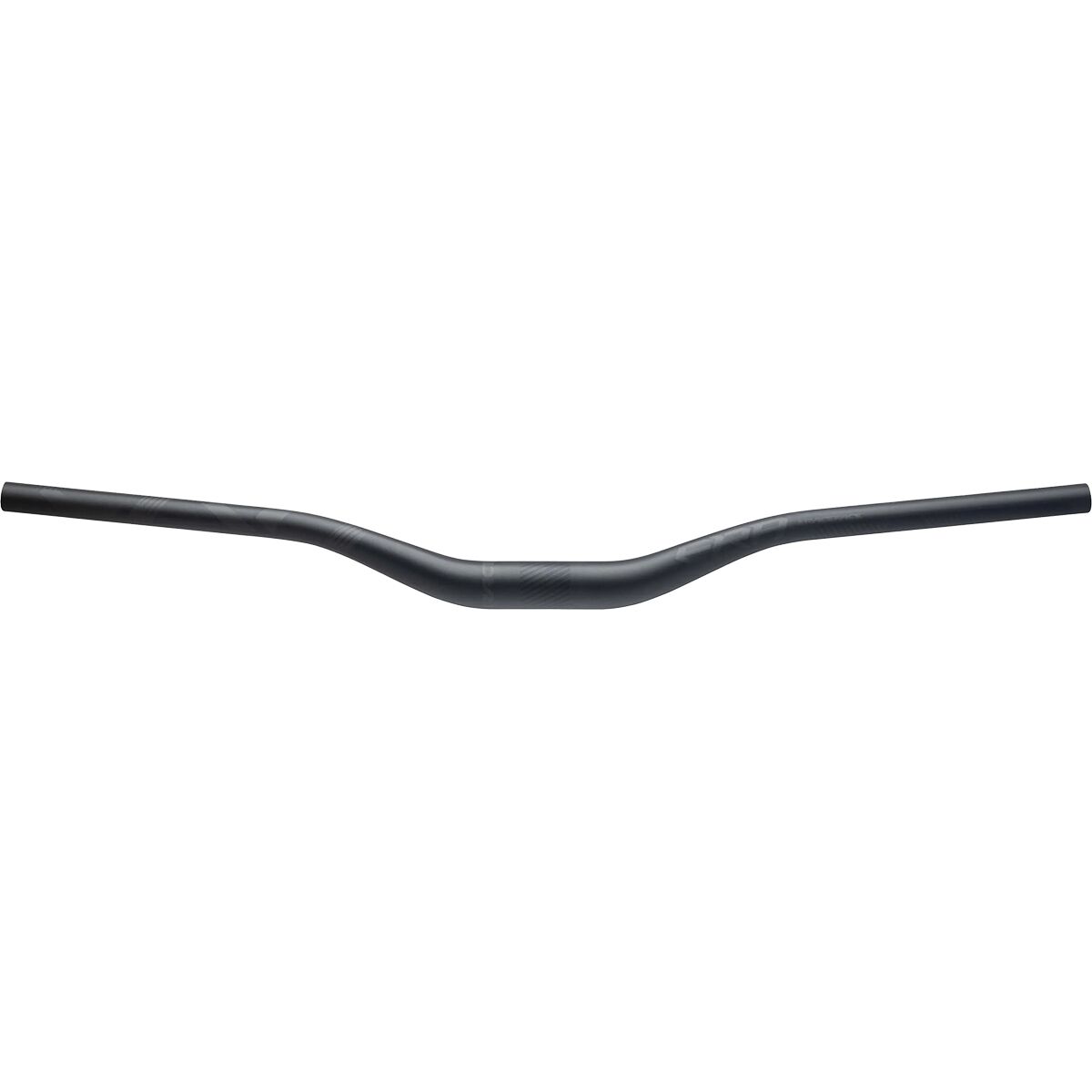
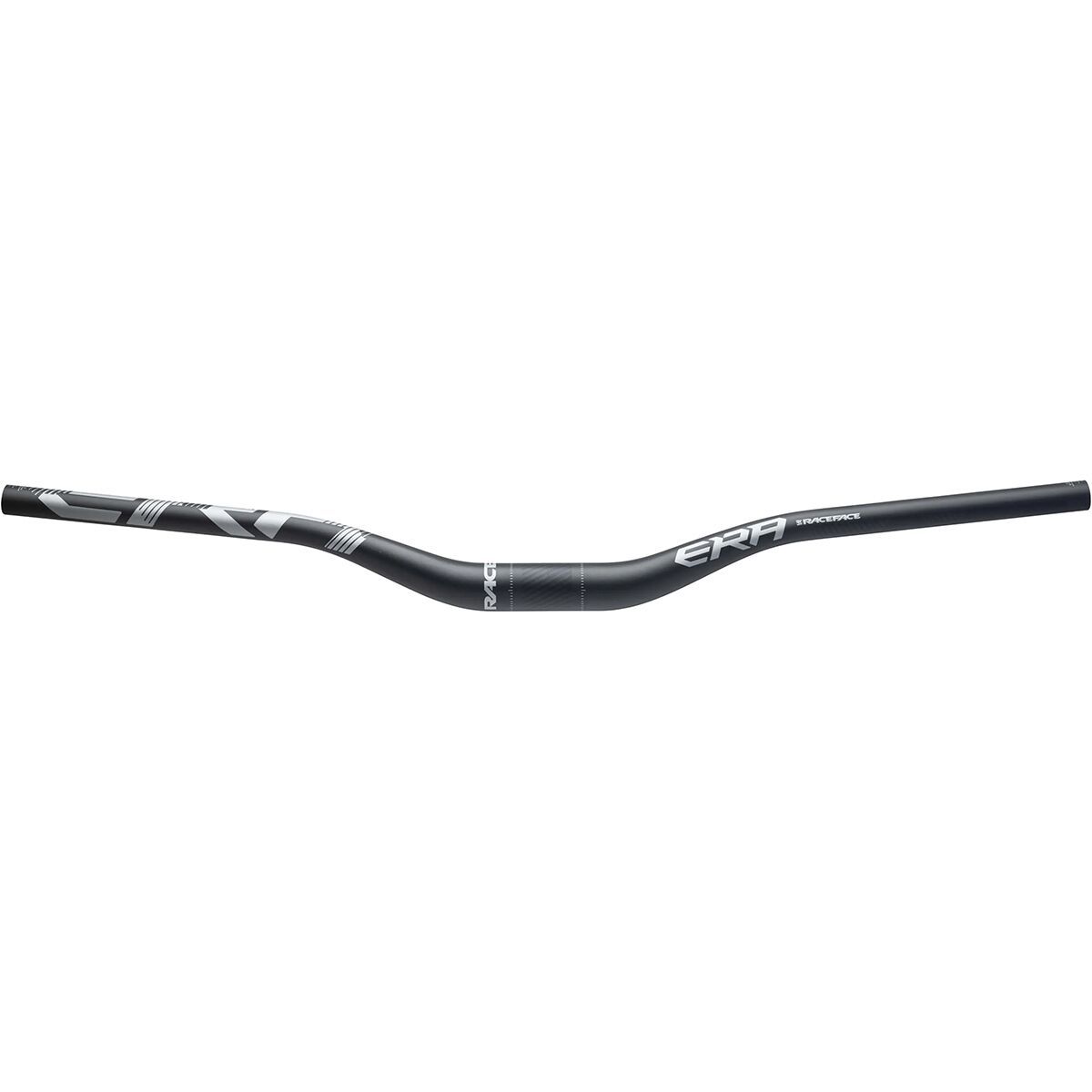
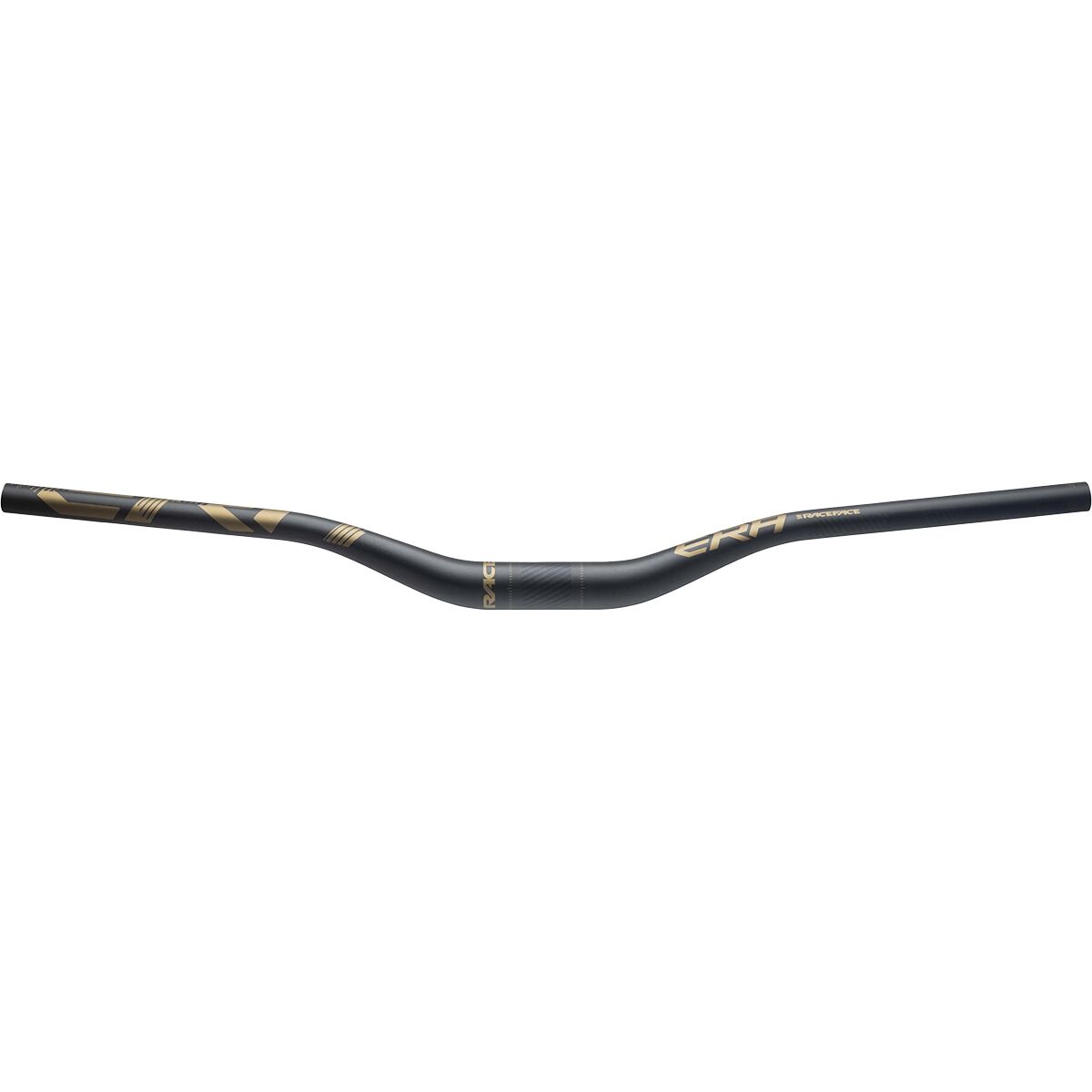
For 2025 we’re introducing 55mm rise to the Era collection. This adds confidence-inspiring high-rise options to our fatigue-reducing GL Tune handlebars. Between Era (carbon) and Turbine (aluminum), riders can now choose between 14 options of width, rises and material. Comfort, confidence and control. Now in high-rise.
Era Details
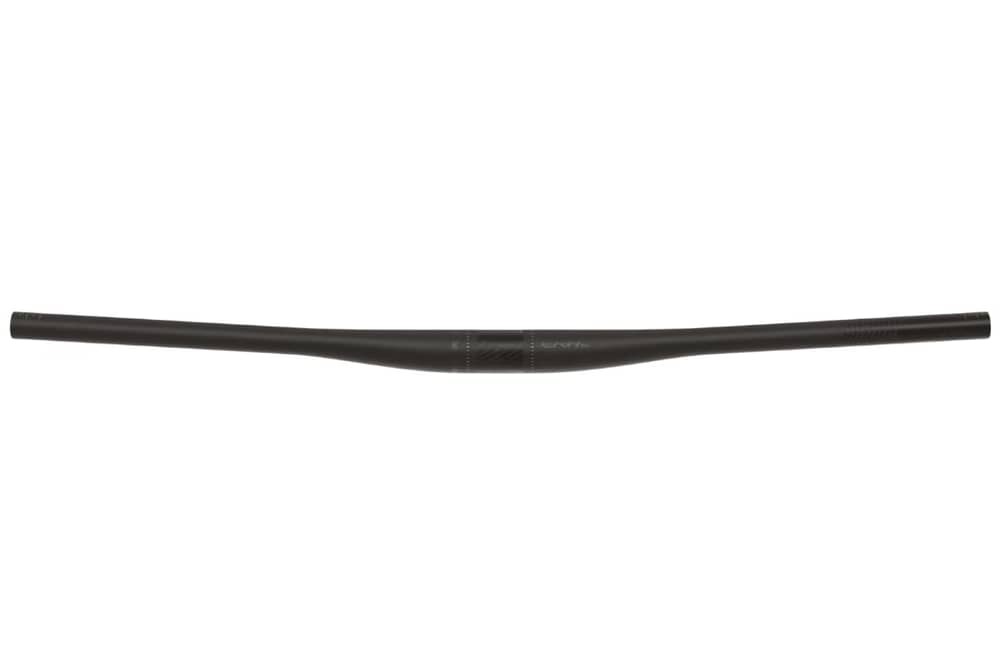
| Turbine Details
|

The More You Trim The Harsher The Ride.
Arm pump and hand fatigue make riding more challenging, and not in a good way. No one wants to feel a loss of control or a drop in confidence, and we don’t want to cut our riding session short on account of fatigue.
Lots of handlebar manufacturers sell compliant bars at 800mm widths. The problem is less than 20% of mountain bikers actually ride their bars at 800mm, often trimming their bars down to less compliant. On average, that’s 24% stiffer when trimming a 800 x 20mm bar to 760mm.

We wanted to make something better, but we didn’t want rider experience to suffer based on fit and preference. So instead of making one or two bars that worked pretty good for all riders, we made 12. Three width options, three rise options, in both carbon and aluminum.
So instead of making one or two bars that worked pretty good for all riders, we made 14. Three width options, four rise options, in carbon and aluminum.
What Makes A Great Handlebar?
To make the best handlebars on the market, we began a study in 2019 to investigate all the factors that can impact arm and hand fatigue: vertical compliance, natural frequency of materials, and vibration damping. After hundreds of tests, both with world-class athletes and average riders, we came to clear conclusions.
Natural frequency is directly linked to vertical compliance: more compliant = lower frequency, and a better ride feel.
Vibration-damping features (like foam-filled bars) revealed no advantages.
Vertical compliance is the most significant, and the most controllable contributor to rider fatigue.
We set out to find the optimal balance of vertical compliance and lateral stiffness (based entirely on rider feedback) and found that 85% of riders preferred one particular sweet spot of vertical compliance. The number (which we can’t reveal, but it’s measured in N/mm) is what we now refer to as the Goldilocks Tune or GL Tune. Anything higher than this number was too stiff, anything lower was too flexible.
Achieving Gl Tune With External Shape
Designing carbon or aluminum bars to the GL Tune meant revising the external shape of our previous Next R and Turbine R handlebars. The new Era and Turbine bars have:
A narrower clamping area for stems
A rise and taper that starts earlier (the narrower clamp area allows for this)
A quicker taper resulting in a bar diameter that’s 10% smaller (than preceding bars) throughout the rise while still having the standard diameters in the stem and control clamping areas.
These three things let us achieve our desired vertical compliance while sticking to a traditional round-bar shape.

Refining For Every Size, Rise, And Material.
With our GL Tune in hand and external shape determined, it was time to optimize the bars for every rider using different widths, different rises and different materials. We created an entire range of flex profiles and layups for a consistent feeling of compliance across each width and rise option for all Era and Turbine handlebars. We did this in different ways for carbon and aluminum (see the following two pages). We created six carbon and six alloy bars to ensure that all riders reap the benefits of vertical compliance – not just those on 800mm bars. In 2025, we added two carbon high rise options.

Optimize Carbon: 96-Piece Ud Layup
With Era carbon bars, we optimized compliance by creating bar-specific carbon layups. That meant tuning the placement, angle and quantity of nearly 100 pieces of unidirectional carbon, each about 1/10th of a millimeter thick.

Optimize Alloy: Internal Butting
For alloy Turbine bars, we achieved compliant ride feel using internal butting. The internal walls of the Turbine bar go from thick to thin in different areas to achieve the strength and flexibility needed for a great-riding bar. For all the Turbine variants that meant changing the position, degree and rate of these changes, requiring extremely precise aluminum engineering.


Era and Turbine handlebars are the most advanced handlebars ever produced by Race Face. After five years in development, they’ve seen more than 4,000 hours of field testing and we can confidently say we have an answer to arm pump and hand fatigue. Era and Turbine bars allow you to ride harder, faster and longer, bringing consistent compliance to every width and rise, for every rider.
For more information on the Era and Turbine handlebars, please visit raceface.com
View key specs, compare handlebars, and review the Race Face Era and Turbine in the Product section.
| Where To Buy | |||
|---|---|---|---|

|
Free shipping on orders over $50 (continental U.S. only).
International shipping available. Some exclusions apply. |
Free shipping on orders over $50 (continental U.S. only).
International shipping available. Some exclusions apply. $187.99
|
|

|
|||
|
|||

|
|||
|
|||

|
Free shipping on orders over $69 (continental U.S. only).
International shipping available. Some exclusions apply. |
Free shipping on orders over $69 (continental U.S. only).
International shipping available. Some exclusions apply. $143.19
|
|
|
|||
|
|||
|
|||
|
|||
|
|||
|
|||
|
|||
|
|||
|
|||
|
|||
|
|||
|
|||
|
|||
|
|||
|
|||
|
|||
|
|||
4/10/2025 9:00am


View replies to: Race Face Introduces 55mm Rise Era Handlebars
Comments