



When it rains, it pours! If SRAM’s new electronic 7-speed DH Transmission and Maven B1 update weren’t enough for one day, RockShox has revealed their new Boxxer dual-crown downhill fork and Vivid Coil shock.
The previous fork and shock were really solid products. They nicely weaved comfort and control into a very tunable package. This go around, RockShox is building on that success while carrying over many of the existing product features. But they’ve doubled down on giving riders the most consistent and predictable suspension possible by focusing on two initiatives; murdering friction and leaning hard into linear spring rates.
2027 Boxxer Ultimate | 2027 Boxxer Select |

| 
|
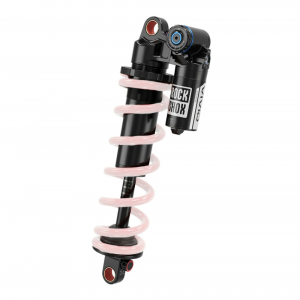
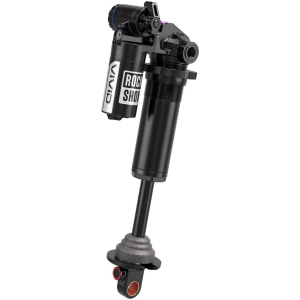
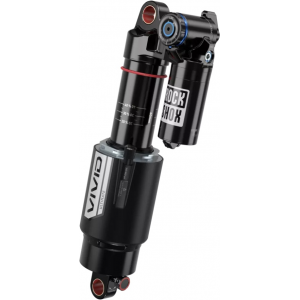
Vivid Coil Ultimate DH | Vivid Coil Select + |

| 
|
Vivid Coil Select | Vivid Coil |

| 
|

Boxxer Breakdown
RockShox did a lot of work dialing in the stiffness-to-compliance ratio of the previous Boxxer chassis when they made the jump from 35 to 38mm stanchions. They also tossed vibration-muting ButterCups into the lowers, along with their trusty Charger 3.1 damper and a new twin-tube DebonAir+ air spring that was crazy-supple. By most accounts, it was a very comfortable and balanced fork to ride.
With the new Boxxer, the biggest change comes from a new Linear XL airspring that’s paired with new lower legs. The goal was to create a truly position-sensitive linear spring, so as a rider moves through travel, the rate at which the fork increases force is constant. Consistency breeds predictability, which means added confidence when smashing into stuff. The air spring continues to use a twin tube design that offers a very linear spring rate. The big difference comes from the new AirAnnex chamber which is externally visible on the bottom of the left leg.

When a fork compresses, pressure in the lowers builds, causing uncontrollable air spring progression. The bulge at the bottom of the lowers on the airspring side is nothing more than an empty cavity. Its purpose is to add extra volume to the air spring lower leg, matching the volume on the damper side to reduce the unwanted casting ramp that would otherwise change the spring and damping curves.

The chamber is only on the air spring side because the damper takes up less room in the lowers and doesn’t experience as much casting ramp. RockShox is not offering different chamber sizes as the volume was specifically tuned to match the damper volume and achieve the desired spring rate. The lowers with the AirAnnex chamber and the new LinearXL airspring will come on Boxxer Ultimate and Select models. Both are also backwards compatible with the previous D1 Boxxer. Changing just the air spring will affect the spring curve and might require some tuning with volume reducers.
The AirAnnex is cool and all, but it wasn’t much of a surprise with how blatantly it stood out at World Cups last year. The real black magic is hiding inside the new Boxxer below the seals.

Affectionately named ButterWagonTech, an ode to the quirky team behind its creation, it’s a bunch of small dimples strategically placed on the stanchions that help pull oil from the bottom of the fork up to the bushings and dust wiper. Wagon, oil transportation, get it? This keeps the fork lubricated and running smoother for the duration of use between services. ButterWagonTech is only available in the Ultimate model, but RockShox will sell an aftermarket stanchion upgrade kit that you can toss in the previous Boxxer.
There are also a few breather holes in the stanchions that equalize pressure between the lower chamber and seal head, the bushings, and the space around the air spring cartridge. This creates a consistent response time at different shaft speeds and decreases the breakaway force, making the fork super light off the top.

In addition to all new techy bits that make the fork supple and consistent, RockShox has also switched from Maxima PLUSH light- to medium-weight oil and changed to Maxima 920 seal grease. Friction is further combatted with new, RockShox-exclusive low-grab SKF seals that apply less pressure to the stanchions while still keeping crud from working its way into the lowers. When you add all these factors up, the new Boxxer crushes the parking lot test with its nearly imperceivable breakaway.

Like the air spring, the Charger 3.2 damper shares a similar layout to the 3.1 damper it replaces, including fully independent high- and low-speed compression damping. The main change is that compression damping has been increased to match the more linear spring rate and reduced friction in the fork. The damper adjuster has also been tweaked to include numbers, further simplifying what was already the simplest damper to set up. Like the LinearXL airspring, the Charger 3.2 damper is backward compatible with the previous Boxxer, but get ready for a much firmer setup. Or maybe that’s what you’re after?


Vivid Coil Updates
The Vivid Coil returns with a new reservoir, base valve, and main piston compression tunes. Similar to Boxxer, the goal was to remove as much friction as possible to get the shock moving quickly and remain consistent throughout its stroke.
The new reservoir uses cleaner flow paths that let oil move more easily in and out. In particular, a new rebound refill path offers a much more direct return for oil from the reservoir to the shock. This makes the shock more responsive and, in combination with a new base valve, allowed RockShox to lower the IFP pressure from 200 to 120 PSI without risking cavitation. A lower IFP pressure means a much lighter breakaway force. They also switched to the same Maxima SGN20 grease they use in Boxxer.

With the shock moving much more freely than before, additional damping was added to provide controlled support—especially during low-speed compression. RockShox actually said it’s more like mid-speed damping now, coming into effect at faster shaft speeds. The range of adjustability is still wide, making each of the five compression positions quite usable.
The Vivid Ultimate DH model maintains the same external adjustments as before with the new RC2 damper—adjustable bottom-out (ABO), high- and low-speed compression, and low-speed rebound. There is also an RCT2 Vivid Ultimate that adds a threshold lockout for pedaling.
First Ride(s) Impressions
I went on a three-day journey getting accustomed to the new Boxxer and Vivid Coil on a new-to-me Commencal Supreme V5. My first day was spent chasing a balanced setup. The Supreme’s rear end grows under compression, and the bike rises a good amount under braking. Both are funny sensations that you can acclimate to, it just takes time. My comfort on the bike grew in unison with my understanding of the suspension.

There were no surprises, no spiking or yo-yoing through the stroke.
The fork and shock were both incredibly smooth for the first ~40% of travel—I’d say it's the most comfortable, ground-hugging suspension I’ve ridden. Feedback is heavily muted, and both products remain free and active during small-to-moderate compressions. The light breakaway force is honestly wild. All the effort to remove friction and make spring rates linear, especially in the fork, made it very easy to anticipate how my bike would react. There were no surprises, no spiking or yo-yoing through the stroke. I spent most of my time fluttering in the middle of travel, which was ideal when fighting for traction on steep, rough sections or unsupported corners. Pushing into the bike was also met with steady resistance.
What was unique was how soft the shock, and especially the fork, felt as I began riding faster. I was sitting at recommended sag in the rear (~27%), and 152 psi in the fork—right in the middle of recommended pressure for my 172 lb weight. But when compressions reached the end of travel, there was a clear lack of ramp. It actually took me most of the first day to recognize what was going on with the fork. It felt perfect at times, but then it would dive into a hole, scaring the crap out of me. I tried increasing pressure, but that had diminishing returns on ride height and comfort. The solution ended up being adding a volume reducer and working in more damping.

My gut tells me a lot of riders may go down a similar path of running too much fork pressure to start.
My gut tells me a lot of riders may go down a similar path of running too much fork pressure to start. RockShox wasn’t surprised that I thought the fork was soft, as they’d received that feedback from riders before me. The fork's ability to respond similarly to impacts of different sizes is great for maintaining consistency. But working in control with damping and ending stroke support with tokens will be necessary as you start hitting stuff harder. The pro tip of the week came from the Commencal Muc-Off Team, who said they were all running 2-4 bottomless tokens to get more support. What I noticed from the first token I added was that the ramp was subtle at bottom out. There wasn’t a wall of support; it just felt like the back half of travel offered more hold-up without a noticeable ramp. Obviously, I’m going to try 2-4 tokens to see what the pros ride, and I wouldn’t be surprised if I end up with two tokens by the end of summer.
From my time riding the previous Charger 3.1 and RCT2 damper, I’ve been a fan of how much damping you can run to create a controlled setup, without introducing harshness. You can definitely crank everything closed and end up with a firm setup, but even then, the initial shock of compressions is still rounded off compared to most dampers. So far, the new damper tunes felt similar to what I’ve experienced before. Each click makes a noticeable change, expediting A-B-A testing.
My Boxxer settings
- +3 LSC
- +1 HSC
My Vivid settings:
- +2 LSC
- +1 HSC
- +1 ABO
These gave me a balanced platform to push against when driving energy into the bike, matched with control during fast or big impacts.

What’s The Bottom Line?
RockShox already had a solid base to build on with the previous Boxxer and Vivid Coil. Honing in on reducing friction and improving predictability throughout travel while maintaining a high level of damping control sets both products up to serve a broad rider demographic. Whether it's someone renting a V10 in Whistler to go rip Blue Velvet, or Max Alran chasing his first Elite World Cup win, everyone benefits from suspension that’s composed and easy on the body.
More time playing with settings will paint a bigger picture, especially on how to maximize the fork's new linear airspring. But thus far, landing on a setup that offers comfort and support without one cannibalizing the other seems easily achievable. Stay tuned for updates throughout the year.
View key specs, compare, and review the latest from RockShox in the Vital MTB Product section.
RockShox BoXXer Forks
| Where To Buy | |||
|---|---|---|---|

|
Free shipping on orders over $50 (continental U.S. only).
International shipping available. Some exclusions apply. |
Free shipping on orders over $50 (continental U.S. only).
International shipping available. Some exclusions apply. $37.23
|
|
|
|||
|
|||
|
|||
|
|||
|
|||
|
|||
|
|||
|
|||
|
|||

|
|||

|
|||

|
Free standard UK delivery on orders over £50.
|
Free standard UK delivery on orders over £50.
£1,404.99
|
|
|
|||
|
|||
|
|||

|
Free shipping on orders over $49 (continental U.S. only).
International shipping available. Some exclusions apply. |
Free shipping on orders over $49 (continental U.S. only).
International shipping available. Some exclusions apply. $395.00
|
|

|
|||

|
|||

|
|||

|
|||

|
|||

|
|||

|
|||

|
|||

|
|||

|
|||

|
|||

|
|||

|
|||

|
|||

|
|||

|
|||

|
|||

|
|||

|
|||

|
|||

|
|||

|
|||

|
|||

|
|||

|
|||

|
|||

|
|||

|
|||
RockShox Vivid Coil Shocks
| Where To Buy | |||
|---|---|---|---|
|
|
Free shipping on orders over $50 (continental U.S. only).
International shipping available. Some exclusions apply. |
Free shipping on orders over $50 (continental U.S. only).
International shipping available. Some exclusions apply. $35.00
|
|

|
|||
|
|||
|
|||
|
|||

|
|||

|
|||
|
|
Free standard UK delivery on orders over £50.
|
Free standard UK delivery on orders over £50.
£444.99
|
|

|
|||

|
RockShox Metric Coil Spring
£29.99
|
||
|
|
Free shipping on orders over $49 (continental U.S. only).
International shipping available. Some exclusions apply. |
Free shipping on orders over $49 (continental U.S. only).
International shipping available. Some exclusions apply. $50.00
|
|

|
|||

|
|||

|
|||

|
|||

|
|||

|
|||

|
|||

|
|||

|
|||

|
|||

|
|||

|
|||

|
|||

|
|||

|
|||

|
|||

|
|||

|
|||

|
|||

|
|||

|
|||

|
|||

|
|||

|
|||

|
|||

|
|||

|
|||

|
|||

|
|||

|
|||

|
|||

|
|||

|
|||

|
|||

|
|||

|
|||

|
|||

|
|||

|
|||

|
|||

|
|||

|
|||

|
|||

|
|||

|
|||

|
|||
2/24/2026 7:00am



View replies to: FIRST RIDE: 2027 RockShox Boxxer and Vivid Coil - More Consistent Than Ever
Comments