

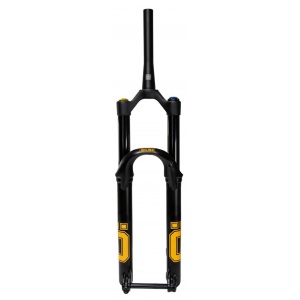
Öhlins RXF38 m.3 Fork


| Where To Buy | |||
|---|---|---|---|

|
Free shipping on orders over $50 (continental U.S. only).
International shipping available. Some exclusions apply. |
Free shipping on orders over $50 (continental U.S. only).
International shipping available. Some exclusions apply. $1,369.50
|
|
|
|||

|
Free U.S. shipping on everything.
International shipping available. Some exclusions apply. |
Free U.S. shipping on everything.
International shipping available. Some exclusions apply. $53.00
|
|

|
|||

|
|||

|
|||

|
|||

|
|||

|
|||

|
|||

|
|||

|
|||

|
|||

|
|||

|
|||

|
|||

|
|||

|
|||

|
|||

|
|||

|
|||

|
|||

|
|||

|
|||

|
|||

|
|||

|
|||

|
|||

|
|||

|
|||

|
|||

|
|||

|
|||

|
|||

|
|||

|
|||

|
|||

|
|||

|
|||

|
|||

|
Free shipping on orders over $69 (continental U.S. only).
International shipping available. Some exclusions apply. |
||

|
Free shipping on orders over $49 (continental U.S. only).
International shipping available. Some exclusions apply. |
||

We’ve ridden every version and evolution of the RXF38 fork from Öhlins, and we’ve always been very impressed by it. Not ones to ever rest on their laurels, Öhlins dropped the m.3 generation of said fork in 2025, and we were of course eager to put it to the test. It came with the classic promise of “revised internals, less friction, and a new damping tune,” but what would the story be out on the trail? Keep reading to find out!
Öhlins RXF38 m.3 Air Highlights
- TTX twin-tube damping technology
- Independent spring and damper system
- Retuned air spring system
- 38-mm stanchion tube
- Wheel size: 29 in with 44 mm offset
- eMTB-approved
- “Race-proven setting bank” (online tool to help with set-up)
- Cartridge-based design is ready for coil spring conversion
- Reworked internals and design
- New surface treatment
- Reduced chassis friction
- Floating axle for lower leg alignment
- Weight: 2320 g with bolts + axle (our 170mm test unit weighed in at 2344 g with uncut steerer)
- MSRP: $1395 USD // €1734 EUR (incl. VAT)
Initial Impressions
Starting things off from the visual standpoint, the RXF38 m.3 now sports a glossy paint job as opposed to the matte that adorned all the previous versions. It comes down to personal preference of course, but we think it looks great and adds a little welcome “flare” to the finish.


In terms of the features and functionality, there have been no major changes made to the overall architecture. The hydraulics are still handled by a twin-tube damper with an 18mm piston, offering external high- and low-speed compression as well as low-speed rebound adjustments. The air spring still features two separate positive air chambers (+ a self-equalizing negative chamber) that let you modify the shape of the spring curve as well as the overall spring force (the same effect as using tokens in a way, just via air pressure instead).

The floating axle is also still there, and the fork weighs in at a claimed 2320 grams with bolts and axle, which is the same number as what was quoted for the previous version of the fork. Because the fork uses a sealed air spring cartridge, it is easy to convert to coil should you ever want to (without having to worry about any internal scoring preventing you from switching back to air again later).


Digging into the changes in more detail, Öhlins introduced a number of improvements on the RXF38 m.3. There is a new surface treatment being used which has resulted in less internal friction, and the damping has been lightened up a bit in stock form. As a result, the fork is easier to compress, so ֭Öhlins introduced a “spring booster” to help add some bottom-out resistance. The spring booster is basically an extra insert in one of the legs that reduces the internal volume of the lowers to provide a little extra ramp-up in addition to the main air spring itself.


As mentioned previously, the air spring features two positive air chambers and one self-equalizing negative chamber. By changing the relative pressures of the main and the secondary air chambers, the use can make the spring curve more linear or more progressive (with nothing more than a shock pump). It is also possible to modify the physical size of each air chamber by using volume spacers, if for some reason you feel like you need to further change the behavior of the spring (this has to be done in a service center). By default, the m.3 now ships without any volume spacers in the negative chamber, where the m.2 used to have two installed from factory.

On The Trail
The RXF38 is the youngest fork from Öhlins (it was introduced later than the 34, 36, and DH38). As such, it benefited from the knowledge and experience accumulated with the other forks, and it has performed very well ever since the inaugural version was launched. Despite there not being a glaring need to update the m.2 in our books, the m.3 has indeed been incrementally improved upon, which is of course a good thing.


We’ve always said that the air spring is a crucial part of how the Öhlins 36 and 38 forks feel, and that obviously still holds true here with the m.3. It’s not just that the dual positive air chamber design makes it very easy to play around with the spring curve, it’s also that Öhlins seems to have nailed the proportions of all of the different air chambers which yields a dynamic fork that is hard to make feel bad. Without the spacers in the negative chamber and with the reduced internal friction, the m.3 is more sensitive than its predecessor albeit not by a huge margin. What we like the most about the air spring is that you can really tune it to do what you need it to do. This tester (yours truly) likes a fork that favors “comfort” over outright “performance” these days (yours truly is no spring chicken anymore), and that is very easy to dial in on this fork. Just a little bit less than the recommended pressure in the ramp-up chamber, and the fork becomes more linear through the mid-stroke. The fork also builds progression over the latter half of the stroke in a very linear fashion, which we think is part of the reason it performs so well. On many other forks, more mid-stroke comfort can easily create a “wall of progression” deeper into the stroke that makes the fork uncomfortable when you push it, but not so with the RXF38 m.3.

The other key ingredient to this fork’s performance is of course the damper. It may appear somewhat “simplistic” when compared to some other brands, especially in regards to the high-speed compression adjuster which only offers 3 positions (and also somewhat curiously provides a lock-out setting in the 4th position), but make no mistake about it, the performance is nuanced and sophisticated. Öhlins backed off the compression damping a little bit for the m.3, and the result is a damping range that is incredibly usable, pretty much from end to end. The high-speed compression works really well to help you keep a bit more travel in reserve on the bigger hits, without adding much perceived harshness in the hands. Similarly, you can really crank up the low-speed compression without too much detriment to the overall comfort. To summarize this tester’s settings, I run a little above the recommended main air spring pressure now on the m.3 (I had to add a bit of pressure compared to the m.2) with 5 psi less than recommended in the ramp-up chamber, with the low-speed compression set at 8 clicks (out from max of 16 clicks). On flatter trails I'll run the high-speed compression wide open, I’ll then simply add 2 clicks if I need it (usually on steeper and rougher tracks and on jumps/drops). This gives me more comfort in the mid-stroke, without excessive diving and without any harshness or violent ramp-up towards the end of the stroke. Some of my younger colleagues usually report needing a bit more air pressure all around, to match their superior skill, bravery, and propensity for sending.

We have not been able to do a full comparison with back-to-back testing of the RXF38 m.3 against its main competition at this point, but looking back at our 2024 enduro fork shootout results we’d say that this latest version will address some of the few weaknesses noted by our crew back then. Without being able to back this up in any scientific way at this point, the changes made by Öhlins to further reduce internal friction and lighten up the damping a bit have borne fruit, as the RXF38 m.3 feels as supple as anything else that this tester has ridden to date. The excellent hydraulic control that has always characterized the Swedish squish is still there, and the RXF38 m.3 is as calm and composed as ever through the rough stuff. This fork was always more impressive the harder you pushed it, but now it feels like it has the sensitivity to truly match up with the others in that department as well. Only a full back-to-back test will reveal the definitive rankings, but we're pretty sure the m.3 is ready for the fight.
What’s The Bottom Line?
The RXF38 has been excellent since it was first introduced, and the m.3 version has made a good thing even better. It offers a lot of very usable adjustability, from the dual-chamber positive air spring to the excellent damping. The changes made by Öhlins to this latest version have given it a boost in sensitivity and comfort, without detracting from its outstanding control when things get more intense. For your next big and burly enduro build, definitely one to consider!
For more information head on over to ohlins.com.
About The Reviewer
Johan Hjord - Age: 52 // Years Riding MTB: 20 // Weight: 190-pounds (87 kg) // Height: 6'0" (1.84m)
Johan loves bikes, which strangely doesn’t make him any better at riding them. After many years spent practicing falling off cliffs with his snowboard, he took up mountain biking in 2005. Ever since, he’s mostly been riding bikes with too much suspension travel to cover up his many flaws as a rider. His 200-pound body weight coupled with unique skill for poor line choice and clumsy landings make him an expert on durability - if parts survive Johan, they’re pretty much okay for anybody. Johan rides flat pedals with a riding style that he describes as "none" (when in actuality he rips!). Having found most trail features to be not to his liking, Johan uses much of his spare time building his own. Johan’s other accomplishments include surviving this far and helping keep the Vital Media Machine’s stoke dial firmly on 11.
Photos by Johan Hjord (product) and Tal Rozow (action)

Specifications
| Where To Buy | |||
|---|---|---|---|
|
|
Free shipping on orders over $50 (continental U.S. only).
International shipping available. Some exclusions apply. |
Free shipping on orders over $50 (continental U.S. only).
International shipping available. Some exclusions apply. $1,369.50
|
|
|
|
|||
|
|
Free U.S. shipping on everything.
International shipping available. Some exclusions apply. |
Free U.S. shipping on everything.
International shipping available. Some exclusions apply. $53.00
|
|
|
|
|||
|
|
|||
|
|
|||
|
|
|||
|
|
|||
|
|
|||
|
|
|||
|
|
|||
|
|
|||
|
|
|||
|
|
|||
|
|
|||
|
|
|||
|
|
|||
|
|
|||
|
|
|||
|
|
|||
|
|
|||
|
|
|||
|
|
|||
|
|
|||
|
|
|||
|
|
|||
|
|
|||
|
|
|||
|
|
|||
|
|
|||
|
|
|||
|
|
|||
|
|
|||
|
|
|||
|
|
|||
|
|
|||
|
|
|||
|
|
|||
|
|
|||
|
|
|||
|
|
Free shipping on orders over $69 (continental U.S. only).
International shipping available. Some exclusions apply. |
||
|
|
Free shipping on orders over $49 (continental U.S. only).
International shipping available. Some exclusions apply. |
||





10 comments
Post a reply to: Tested: Öhlins RXF38 m.3 Air