



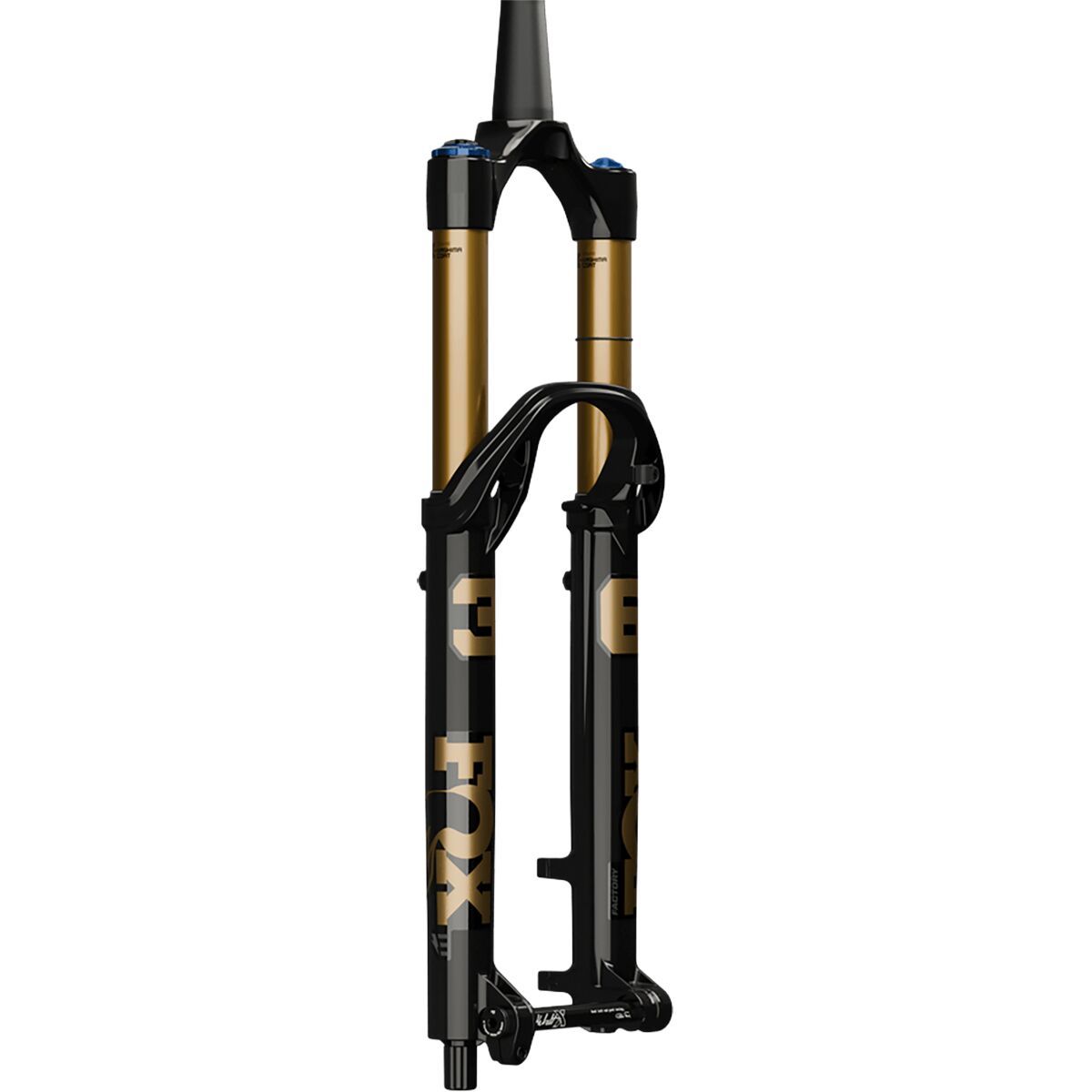
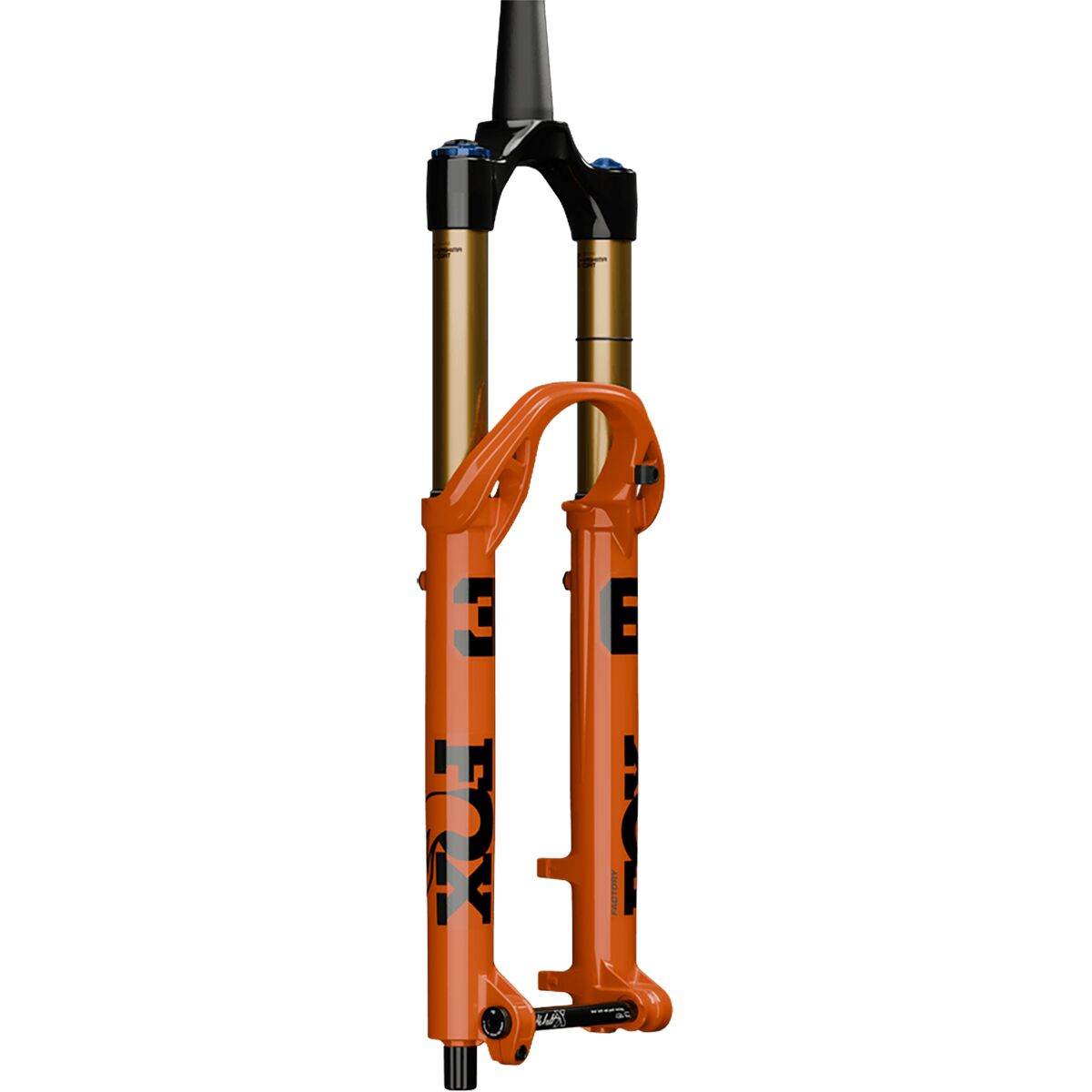
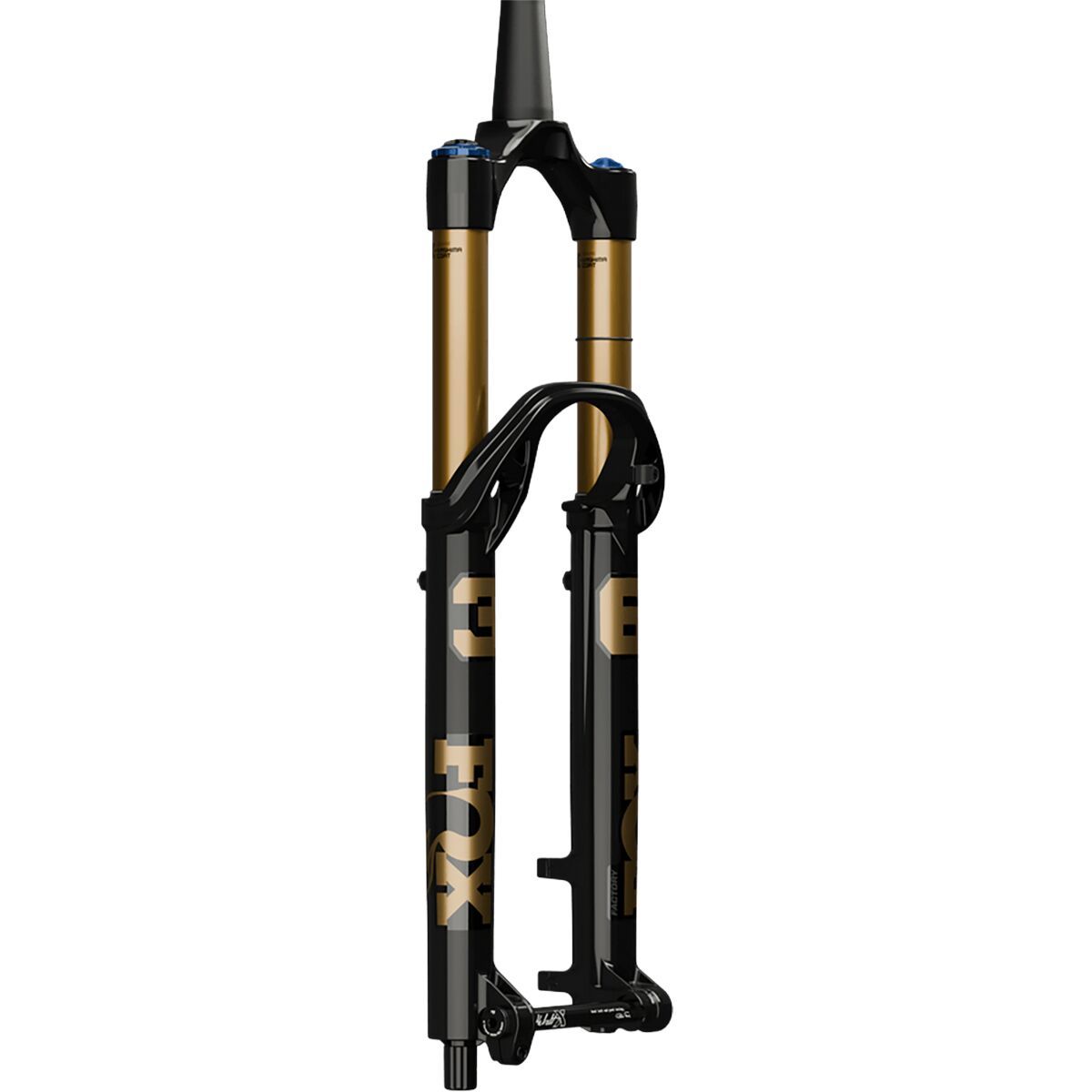
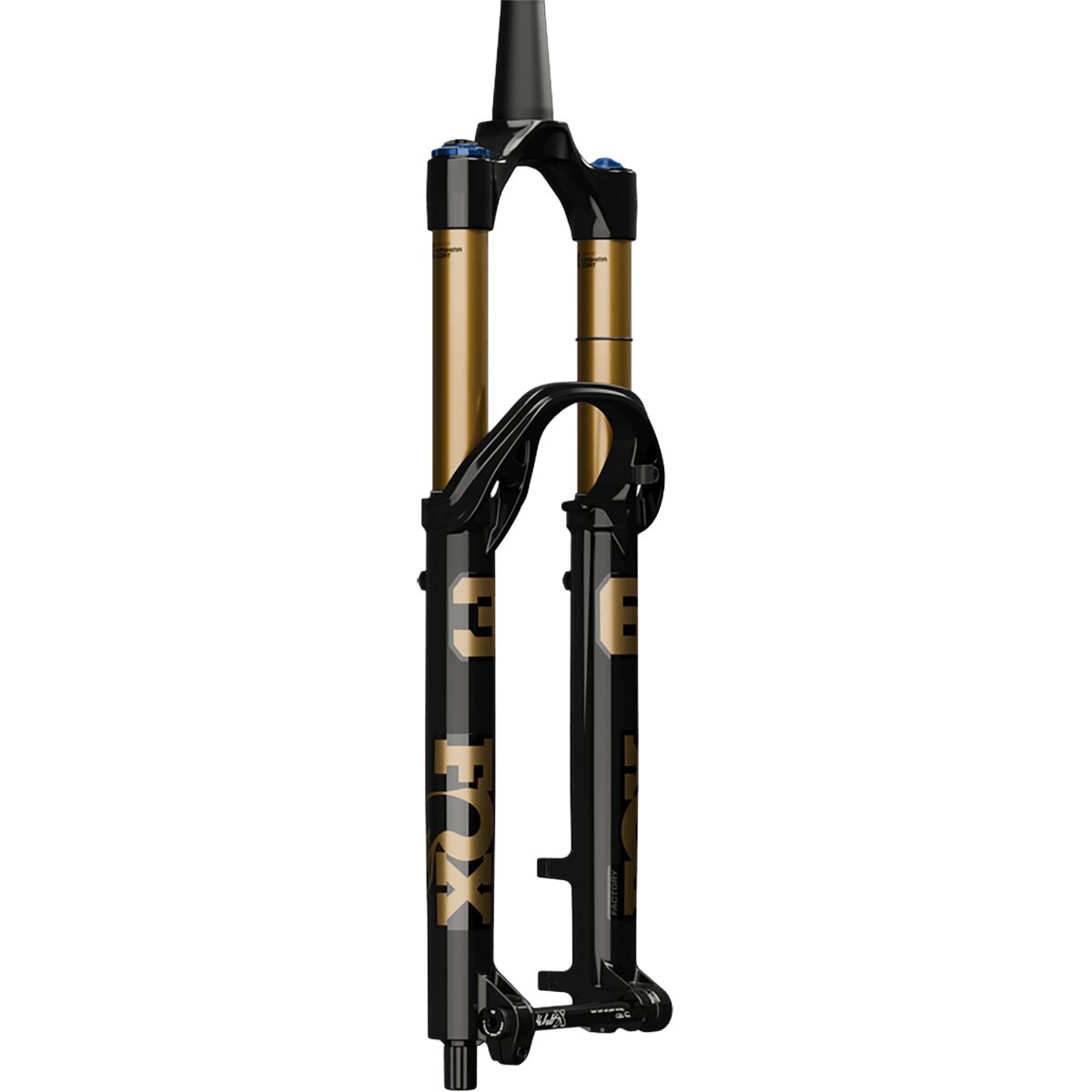
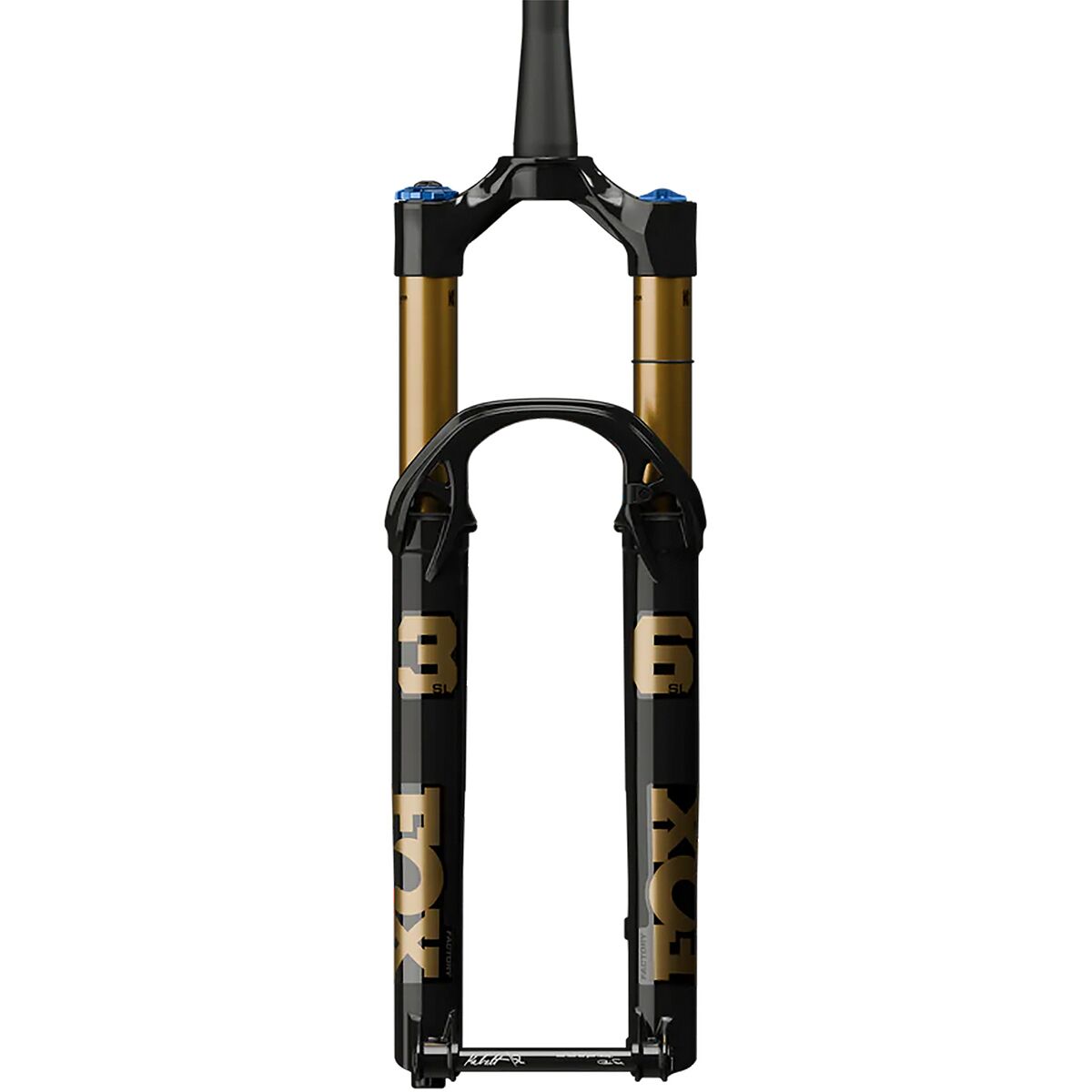
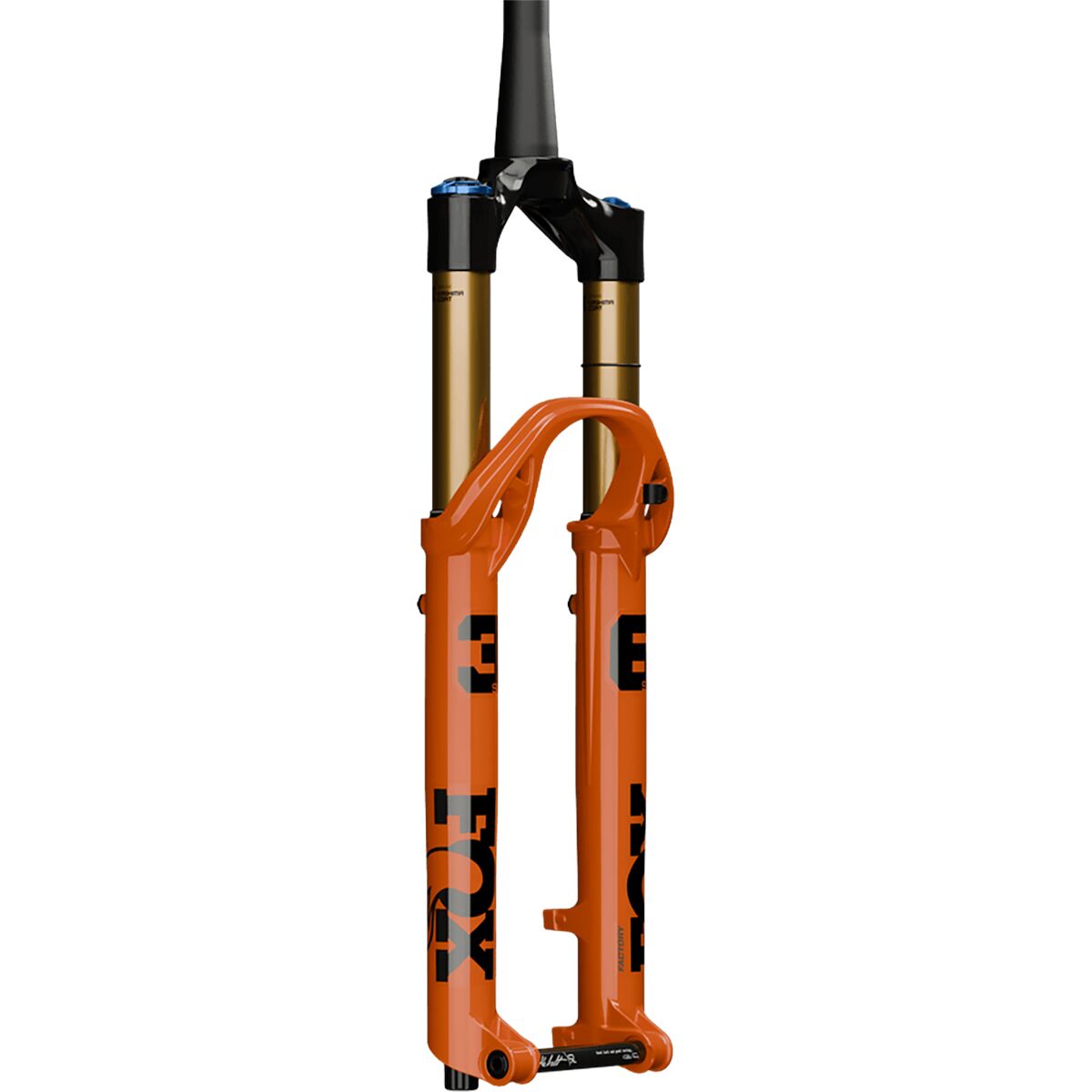
As the most widely applicable fork in the FOX lineup, the 36 is made to cover the trail category and beyond. Spanning the 140-160mm category with the latest Grip X and Grip X2 damper options, the 36 is the go-to option for most daily driver bikes. For 2026, FOX has transformed the 36 chassis head to toe to create the same feeling as a 38 with the weight of the 36 by reducing friction and increasing rigidity within the system to improve comfort and traction out on the trail. These goals have been met with a ground-up redesign that introduces an all-new lower leg structure, a revised piston within the air spring, and some appreciated minor details to improve the overall user experience. Keep reading to learn more, and don't miss our coverage of the all-new 36 SL that also dropped today.
Highlights
- Travel Options: 140mm // 150mm // 160mm
- 27.5-inch // 29-inch wheel sizes
- Offset: 37mm and 44mm (27.5”) // 44mm (29”)
- 36mm stanchions
- Grip X // GripX2 // Grip damper options
- NEW Float EVOL Compliant air spring
- External adjustments (Grip X2)
- Positive air chamber w/ volume spacers
- Low and high-speed compression adjustments
- Low and high-speed rebound adjustments
- 15mm thru axle
- New pressure relief valves
- Two fender options
- Rotor size: 200mm post mount (230mm max)
- Max tire size: 2.6-inch
- Weight: 1920g (29-inch, 160mm Grip X)
- Price: $749 - $1199 USD
What’s New?
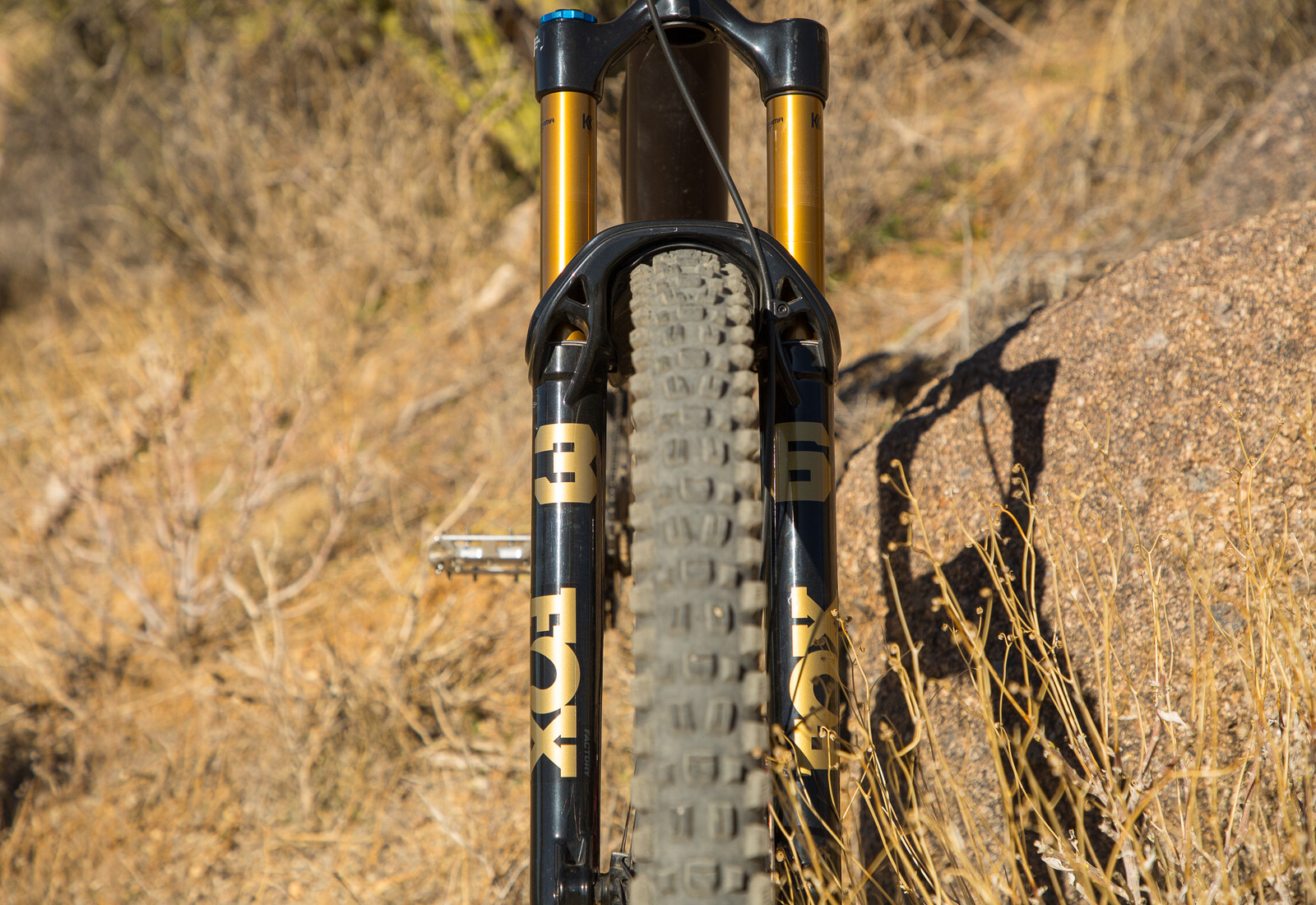
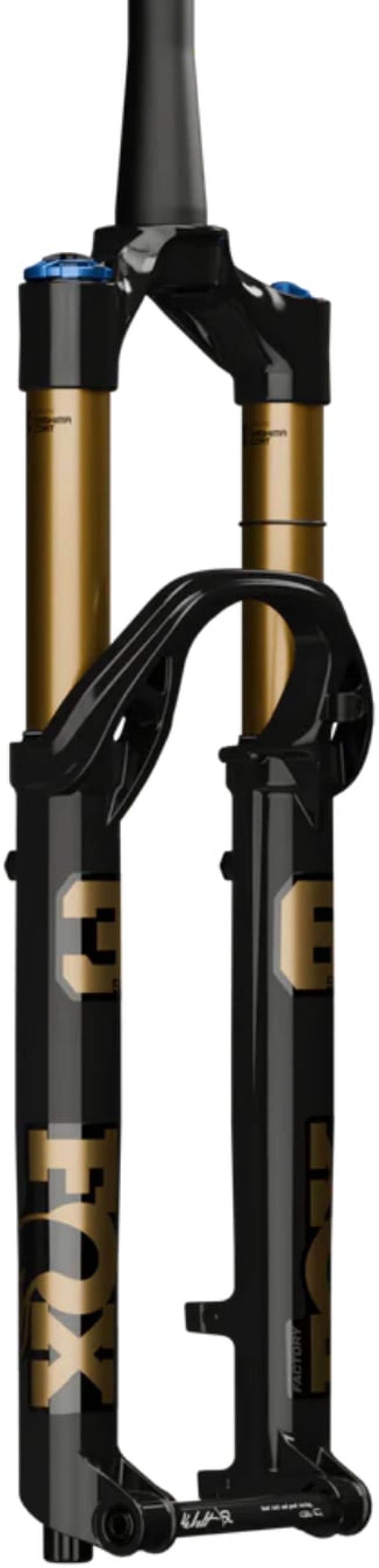
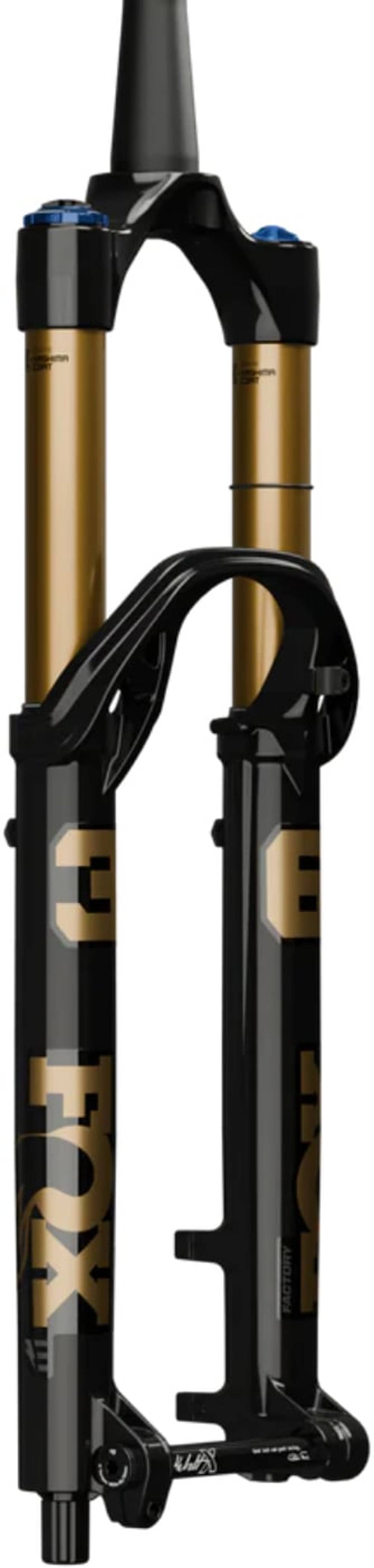
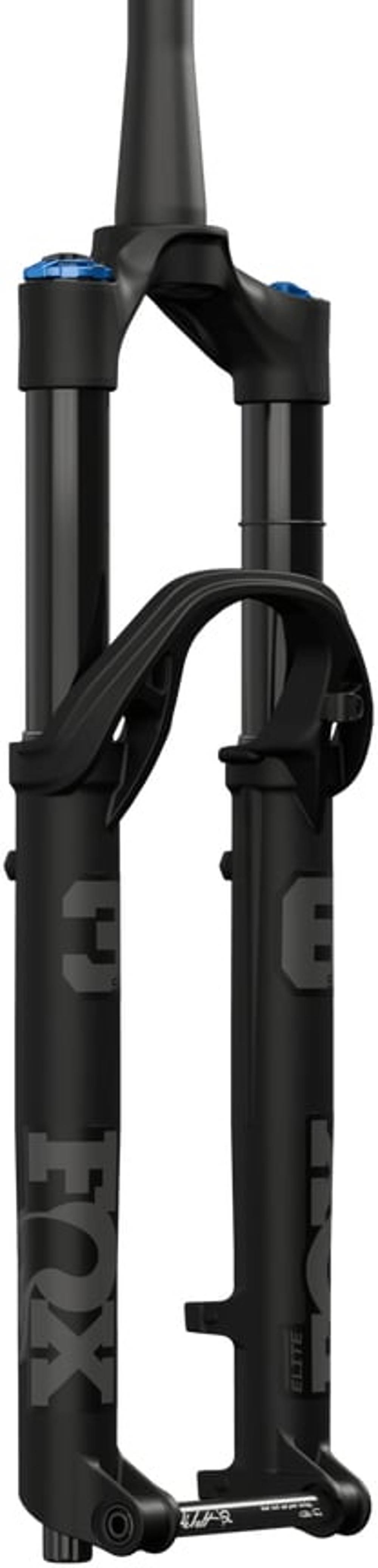
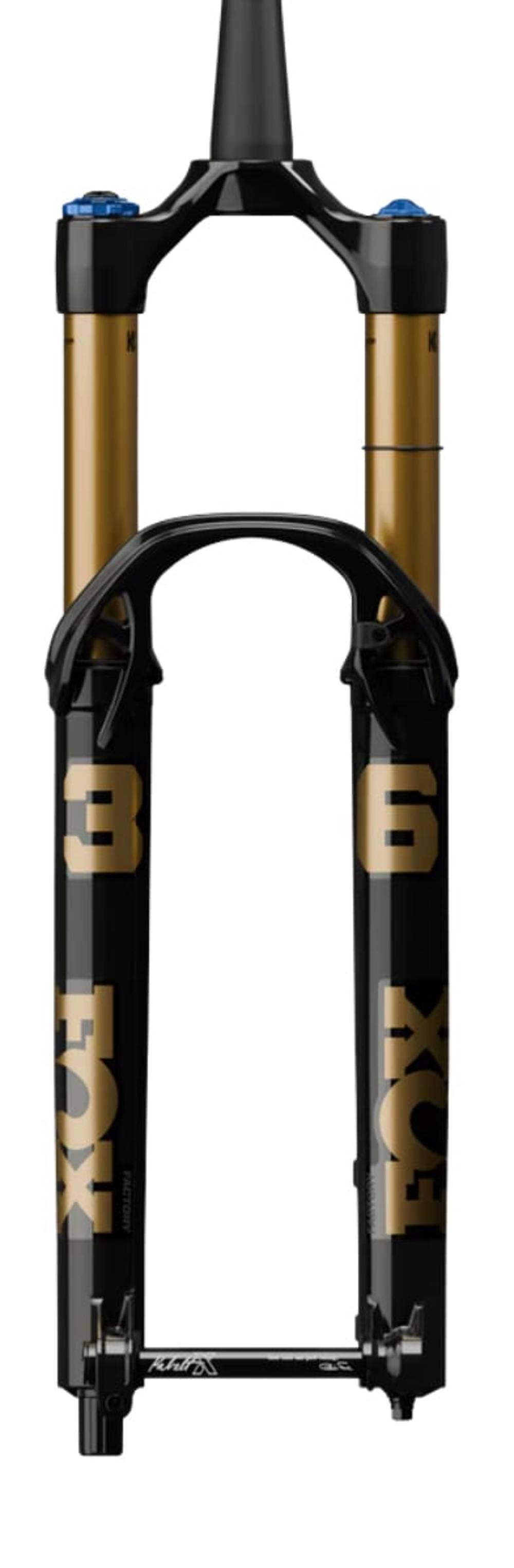
Starting with what's most obvious, the redesigned lower legs now have holes in them. Why, you might ask? The lowers were made through the same process that created the radically redesigned Step Cast 32 last year. Using generative design, FOX was able to define what parameters they wanted the fork to meet in terms of stiffness and then minimize material and weight around those goals. The result of that process is a 20% increase in torsional stiffness, bringing the fork's overall stiffness up significantly higher than before. The new lower legs also allowed FOX to relocate bushing placement, which has now increased by 23% from 132mm to 162mm to help keep things sliding along smoothly. Around those bushings, the oil bypass channels have been moved to the insides of the lower leg to improve bushing support fore and aft while still utilizing channels. On the backside of the legs is a set of new pressure relief valves, which now require less force to press and allow more air to flow around your finger when pressed. With new lowers come new fenders, and FOX has increased the overall size of their two fenders to better match the new arch profile and provide more coverage.


On the topic of things sliding smoothly, the other most notable improvement made to the 36 that's less obvious comes in the form of a redesigned air spring. FOX is calling it their new Compliant Air Spring, and it does exactly what it sounds like it would do. By introducing a level of compliance into the main piston seal head, the air piston can maintain perfect alignment with the inner wall of the stanchions when under any fore and aft forces. This was done to mitigate binding issues the outgoing model would encounter under heavy loading and to improve the overall sensitivity of the fork.
On the external side of the air spring, a new top cap now sees the use of a cassette locking interface rather than the standard shallow wrench flat of years past, something all mechanics and volume reducer puzzlers will appreciate for ease of access.
On The Trail
My first few laps on the 36 really weren't anything special as I've grown accustomed to having a 38mm stanchion fork up front on my trail bike, and I didn't notice much right off the bat. It wasn't until my second or third day on the fork and a bit of adjusting that I realized nothing felt drastically different, swapping from a larger diameter fork, which is quite impressive. Having spent a fair amount of time on the outgoing 36, I was pleased to find the primary issues I had with that fork were no longer present. Thanks to the thoughtfully implemented updates throughout, the fork performed much more consistently across all scenarios I put it through.

What impressed me most about the 36 chassis was the level of comfort it provided on the trail. While the level of torsional stiffness has increased significantly, FOX did an excellent job of preserving fore and aft compliance. When paired with the updated air spring, the system really impressed me with how much noise it removed from the trail. I found myself able to hold a line easily through rock gardens with staggered hits that would normally want to grab the front wheel and bounce me off line. This made it easy to look further ahead without thinking much about feedback, which is an absolute night and day experience for me aboard a 36.
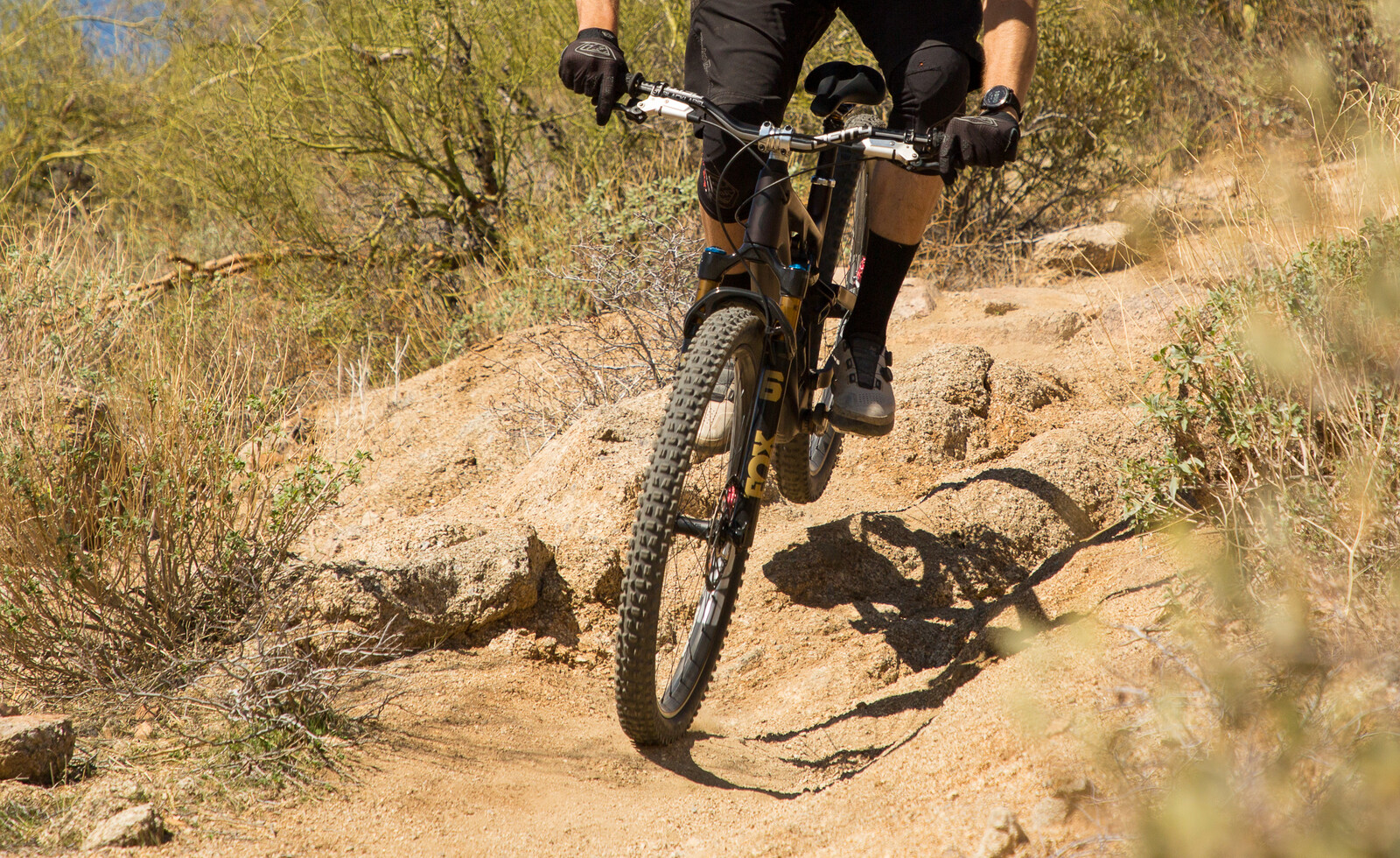
While most of the trail noise was muted, the response to steering input seemed to sharpen up from the previous model significantly. I no longer got the sensation of understeer in a set of hectic switchbacks that would consistently produce the same effect in years past. Instead, steering felt precise, and it was easy to point the front wheel into just about anything I put it through. The comfort the fork provides may have impressed me most, but the increase in front wheel traction is what stood out most and is where the biggest improvement over the outgoing model has been made. Much of that traction came from the improved air spring performance that provided a much lighter feeling than before and allowed the Grip X2 damper to really shine through in the same way that it does on the 38 and 40.

The ability of the 36 to recover from harsh impacts now feels on par with larger-diameter forks. The Grip X2 damper offers a ton of support on big hits and was equally impressive in full bottom-out scenarios. I anticipated more of a jarring feel deep in its travel but instead found it easy to continue looking ahead and moving down the trail. Even while pedaling along, the initial breakaway of the fork felt light, and that sensitivity remained consistent through chatter on descents and in undulating terrain.
What's The Bottom Line?
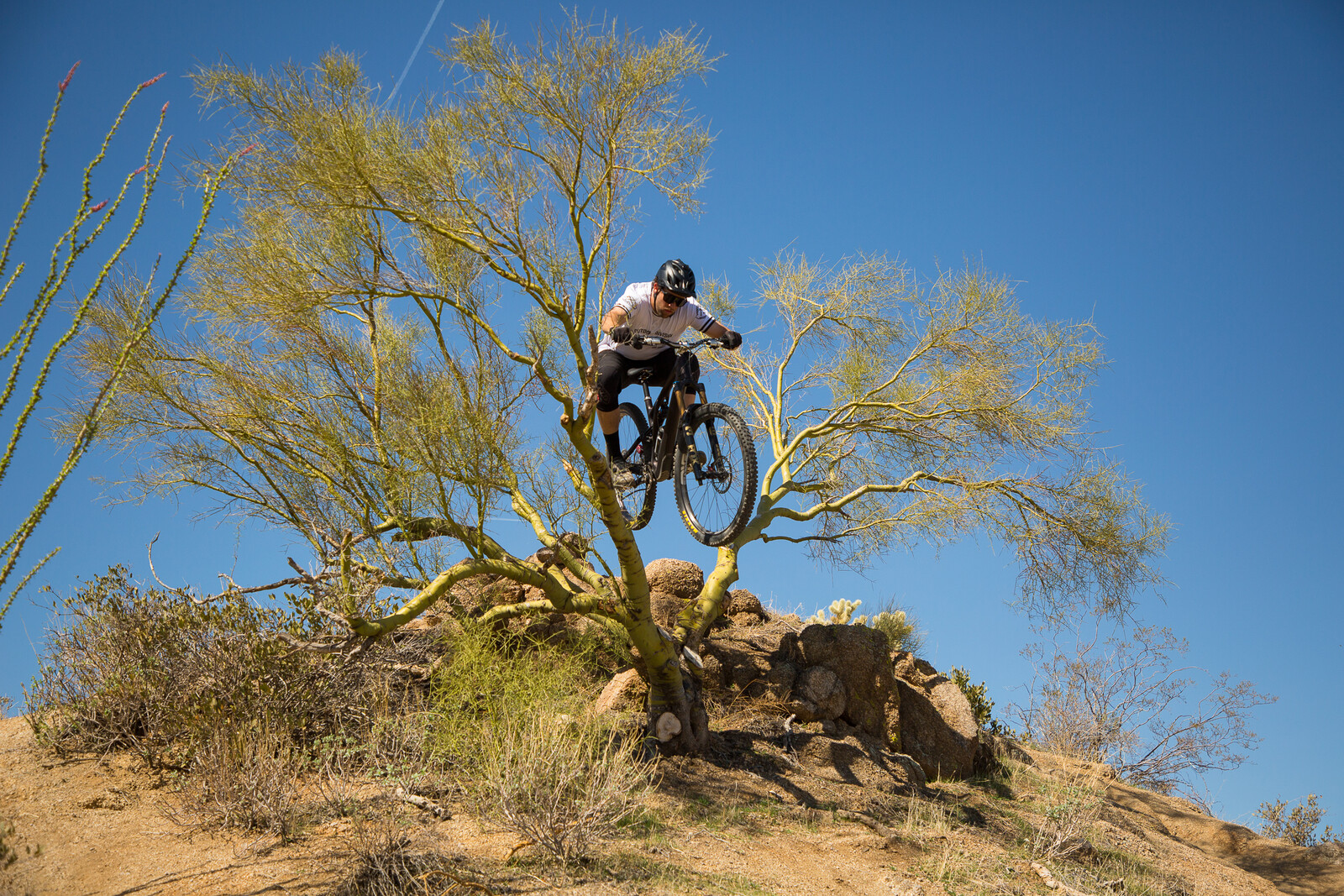
FOX has done an incredible job of balancing the air spring, damper, and chassis performance on the new 36. I struggled a lot with binding in the previous chassis, which led to rather harsh feedback throughout a ride. With those issues addressed, I'm finally seeing why a more trail-focused fork makes sense, even at 160mm travel with a bigger rider like myself behind it. The fork made trail riding incredibly comfortable, and I never felt under gunned on larger hits. The adjustability of the Grip X2 damper is second to none in terms of fine-tuning, and I think an even wider range of riders will be able to find a setup that works for them on the new 36 than before.
For more information, please visit ridefox.com.
Learn about FOX's new 36 SL fork.
View key specs for the new FOX 36, compare with other forks, and review all forks from FOX in the Vital MTB Product section.
About The Tester
Jonathon Simonetti - Age: 31 // Years Riding MTB: 22 // Height: 6’4” (1.93m) // Weight: 230-pounds (97.5kg)
Jonny started mountain biking in 2003 after a trip to Northstar showed him how much more could be ridden on 26” wheels than on a BMX bike. He began racing downhill in 2004 and raced for 12 years until ultimately deciding having fun on a bike was more important than race results. After working as a mechanic in the industry for a few years and developing a deeper understanding of bikes inside and out, he has an aptitude for pairing his riding ability with the analysis of bikes and breaking down what makes them work well. He spends most of his time between trail rides and skatepark sessions, with occasional days on the downhill bike.
| Where To Buy | |||
|---|---|---|---|

|
Free shipping on orders over $50 (continental U.S. only).
International shipping available. Some exclusions apply. |
Free shipping on orders over $50 (continental U.S. only).
International shipping available. Some exclusions apply. $1,299.00
|
|
|
|||
|
|||
|
|||
|
|||
|
|||
|
|||
|
|||
|
|||
|
|||

|
Free shipping on orders over $69 (continental U.S. only).
International shipping available. Some exclusions apply. |
Free shipping on orders over $69 (continental U.S. only).
International shipping available. Some exclusions apply. $1,299.00
|
|
|
|||
|
|||
|
|||
|
|||
|
|||
|
|||

|
Free shipping on orders over $49 (continental U.S. only).
International shipping available. Some exclusions apply. |
Free shipping on orders over $49 (continental U.S. only).
International shipping available. Some exclusions apply. $193.00
|
|

|
|||

|
|||

|
|||

|
|||

|
|||

|
|||

|
|||

|
|||

|
|||

|
|||

|
|||

|
|||

|
|||

|
Fox V2 Topcap Sockets
$27.00
|
||

|
|||
3/26/2025 9:00am


View replies to: First Ride: The All-New 2026 FOX 36
Comments