



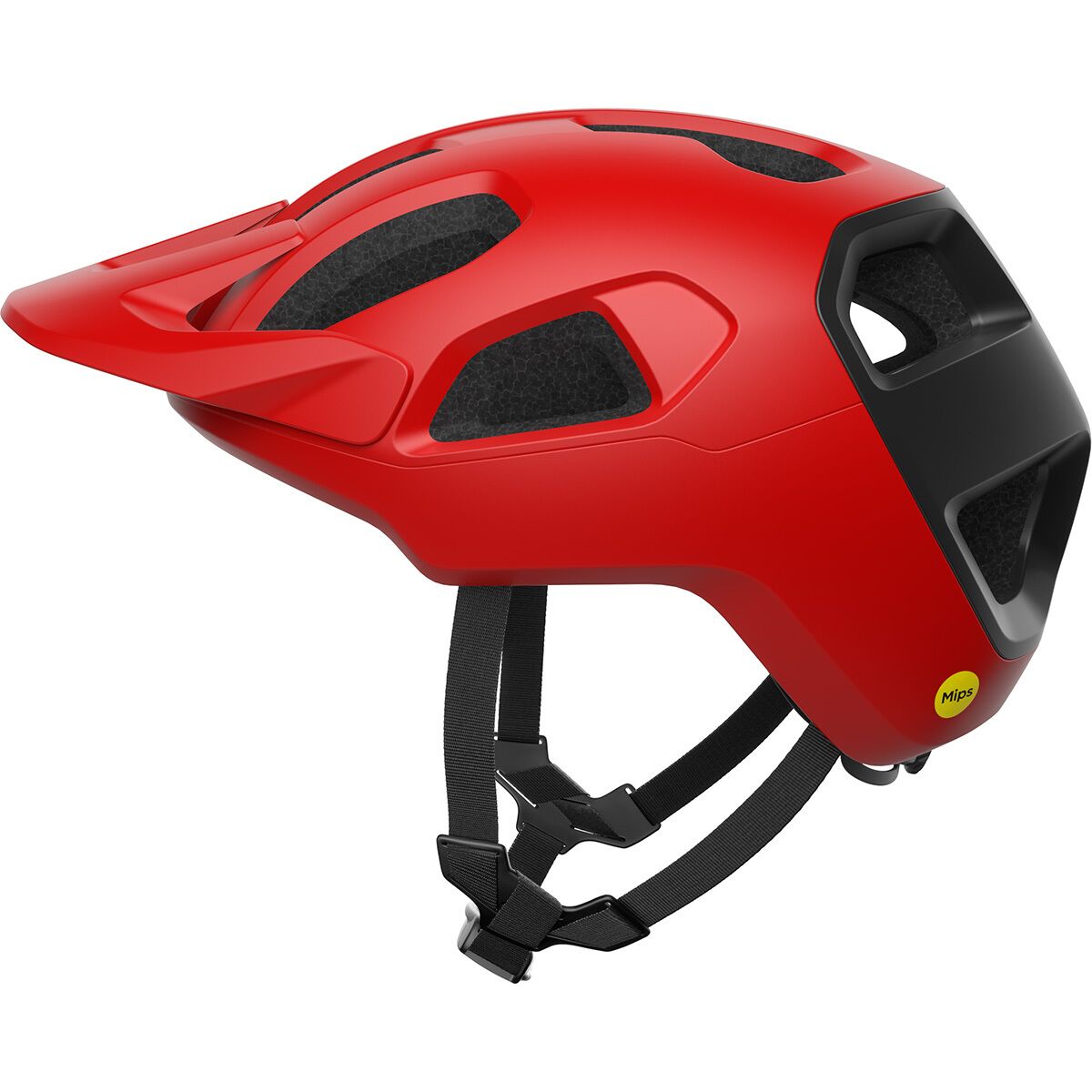
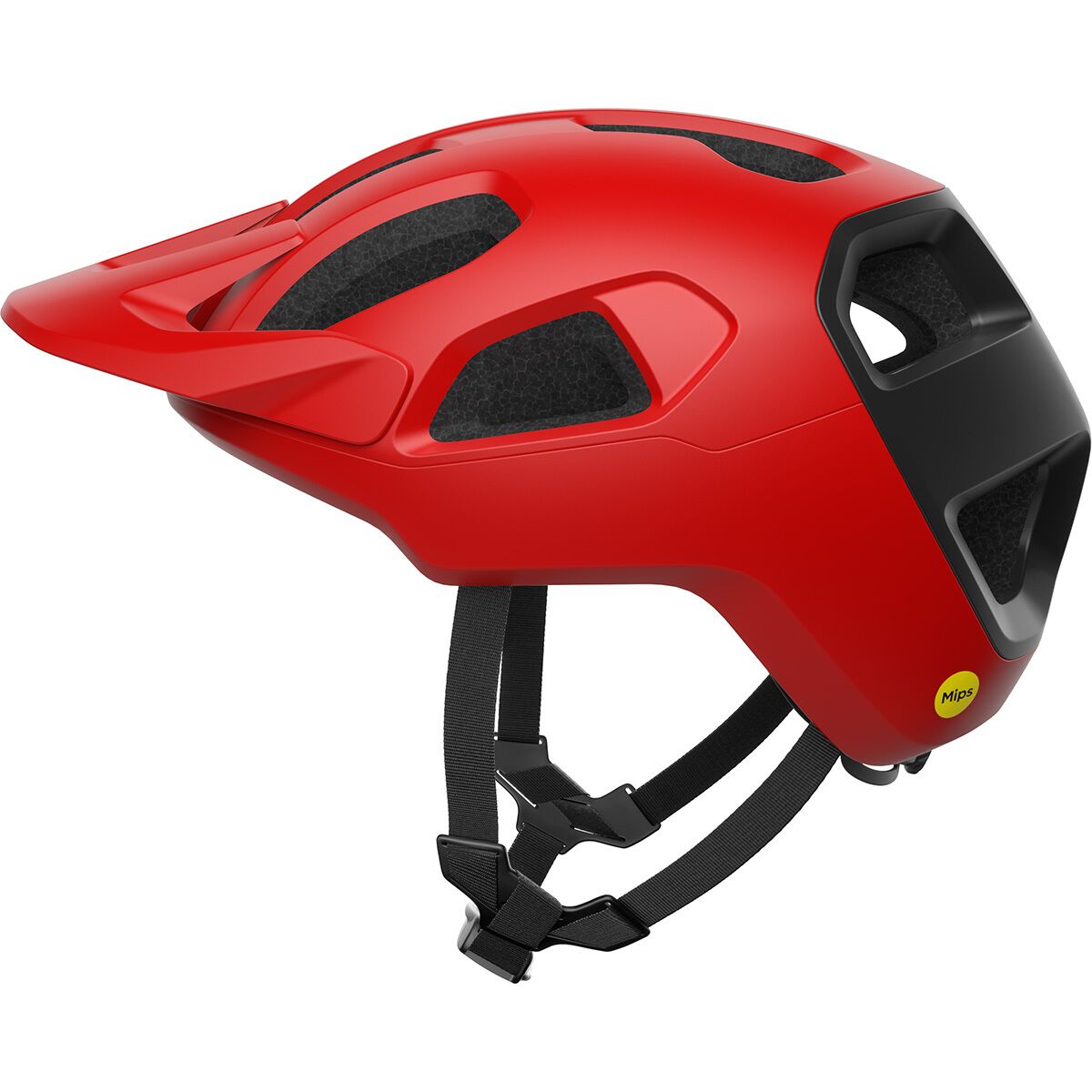
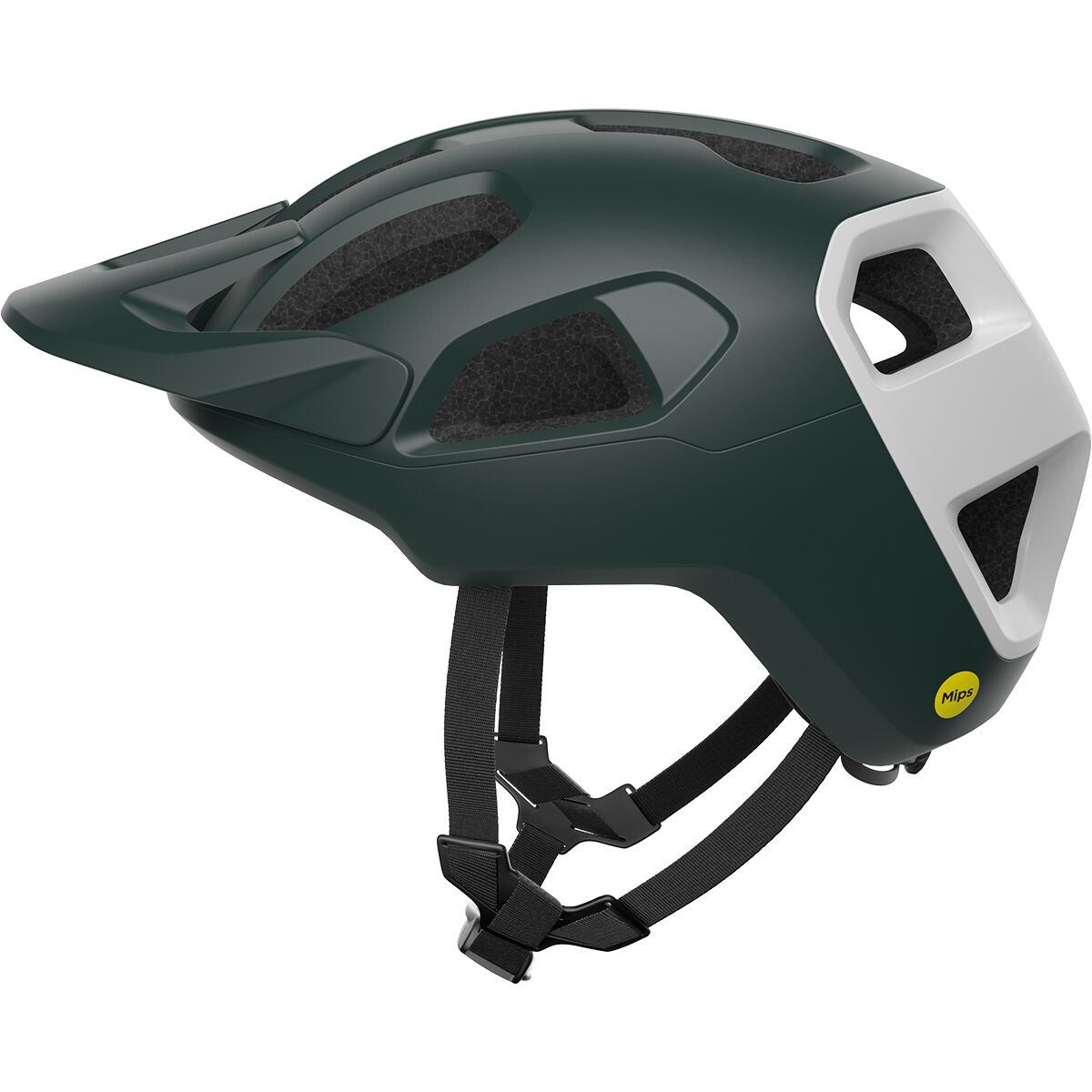
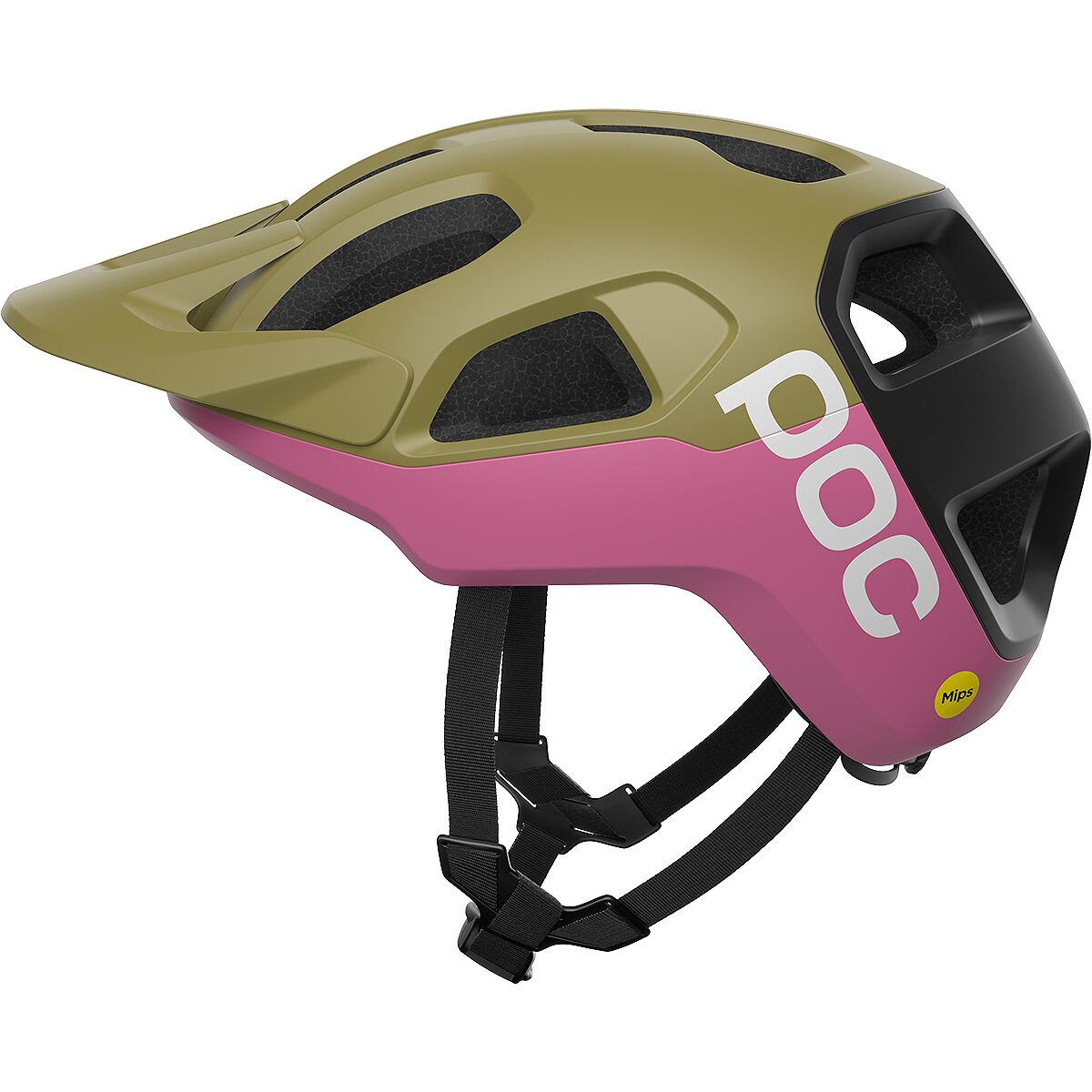
One of our favorite helmets over the past few years has been the POC Tectal. Lightweight, well-ventilated, and comfortable, it’s been a faithful companion on many a ride. Not ones to rest on their laurels, POC has been hard at work developing the successor to the Tectal, and what they have come up has just taken over the #1 spot in the rankings of all helmets ever tested by Virginia Tech (as of March 2025). Keep reading to find out more!
POC Cularis Highlights
- EPS construction with polycarbonate shell
- Aramid "bridge" provides extra penetration protection
- Ranked #1 of all helmets tested by Virginia Tech as of March 2025
- Mips Air Node for angular impact protection
- Recco radar reflector
- Air flow channels optimized by CFD (Computational Fluid Dynamics)
- Break-away peak that can be re-attached if dislodged during crash
- Fidlock buckle
- 36-degree ratchet dial adjustment system
- “Eye garage” for storing eyewear on the helmet
- Certification: CPSC/CE/EN/AS/NZS
- Sizes - Small (51-54 cm), Medium (55-58 cm), Large (59-62 cm)
- MSRP: $240 USD / €230 EUR
Initial Impressions
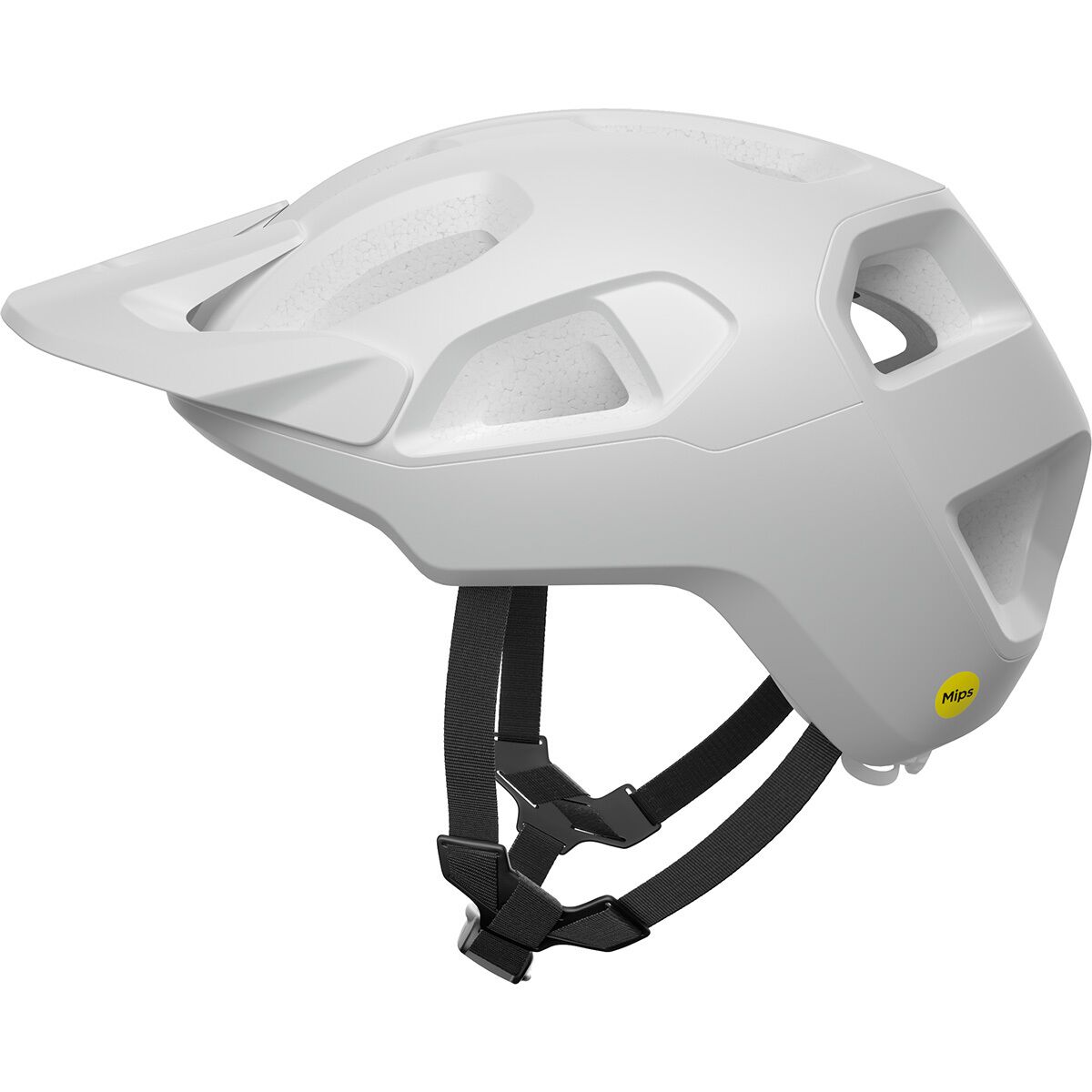
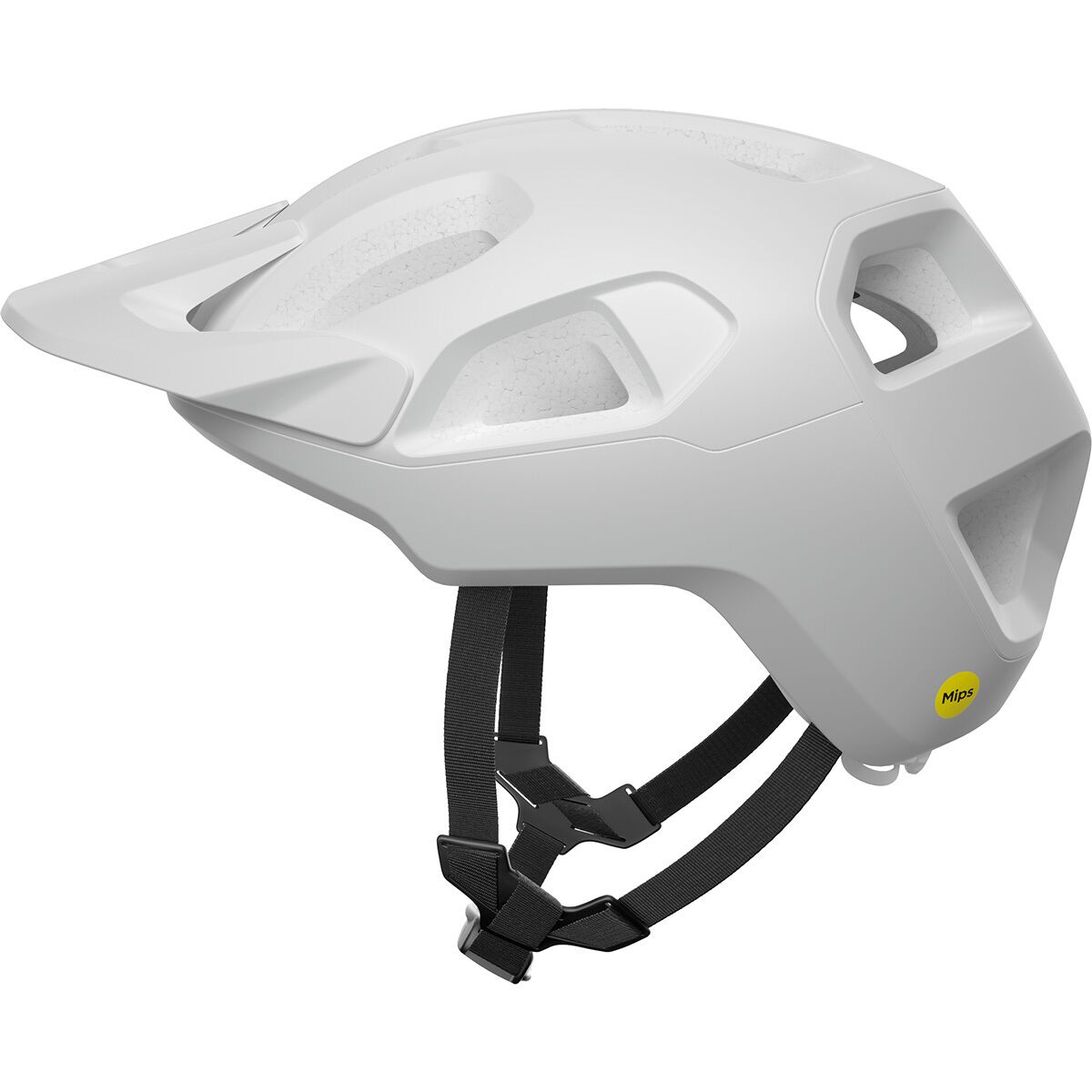
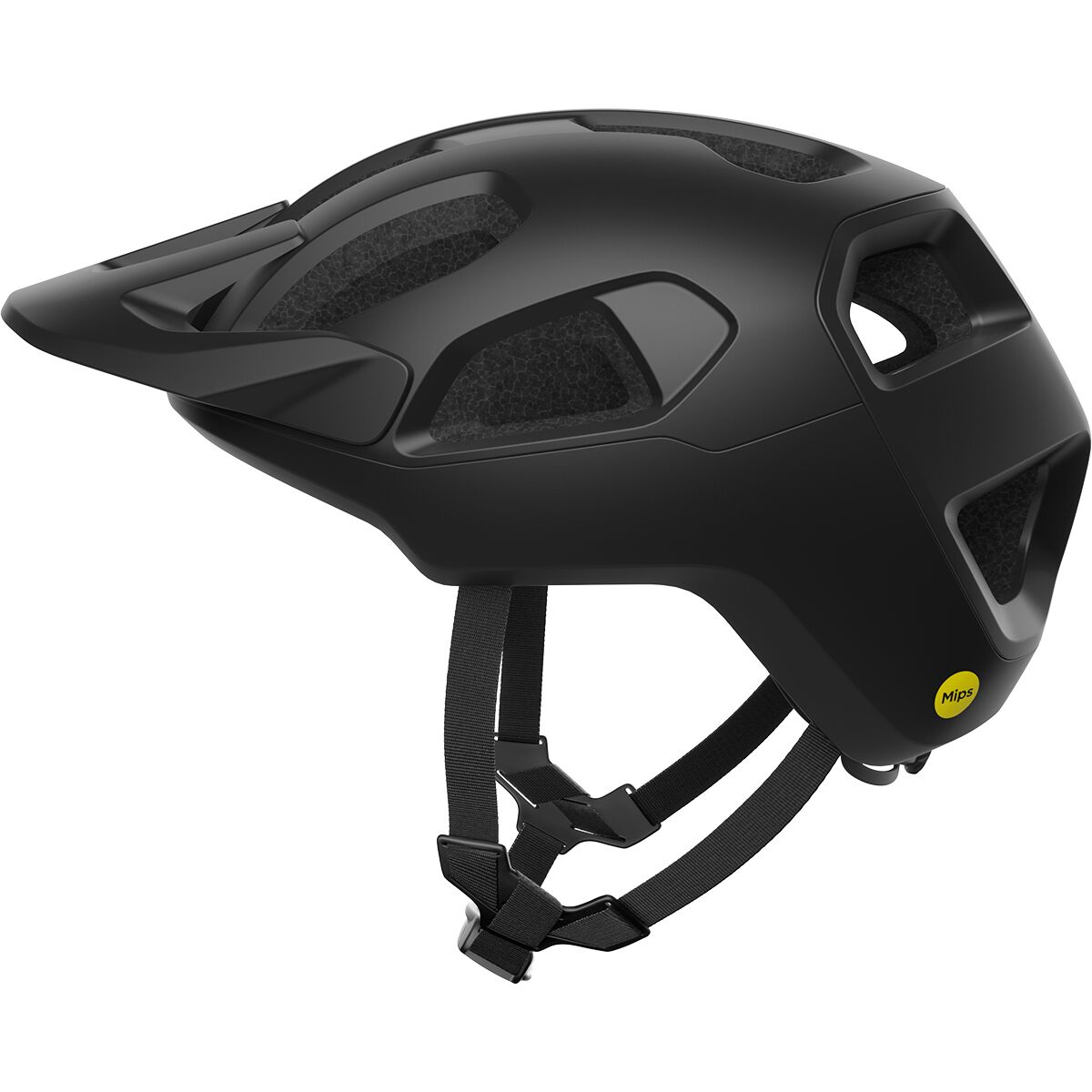
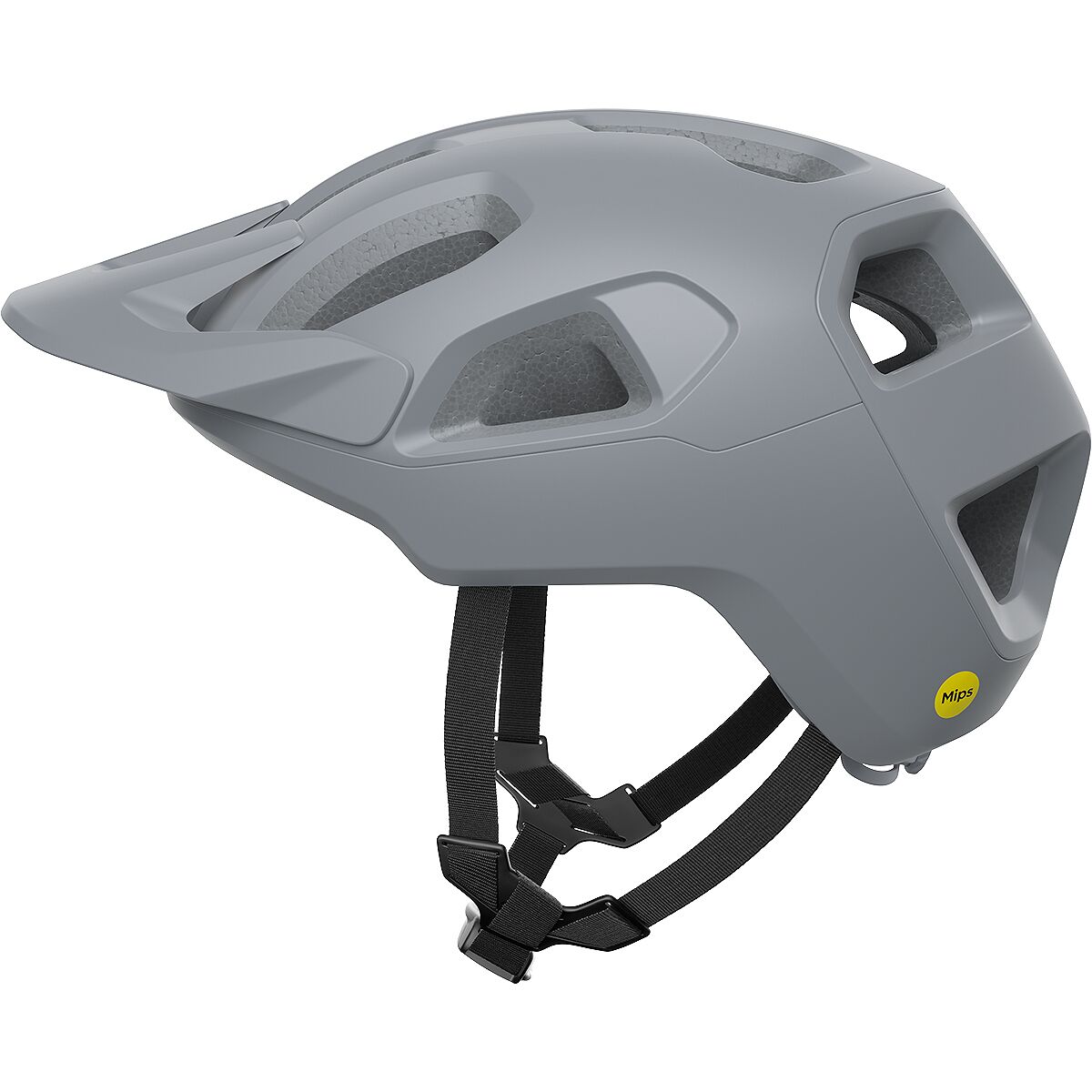
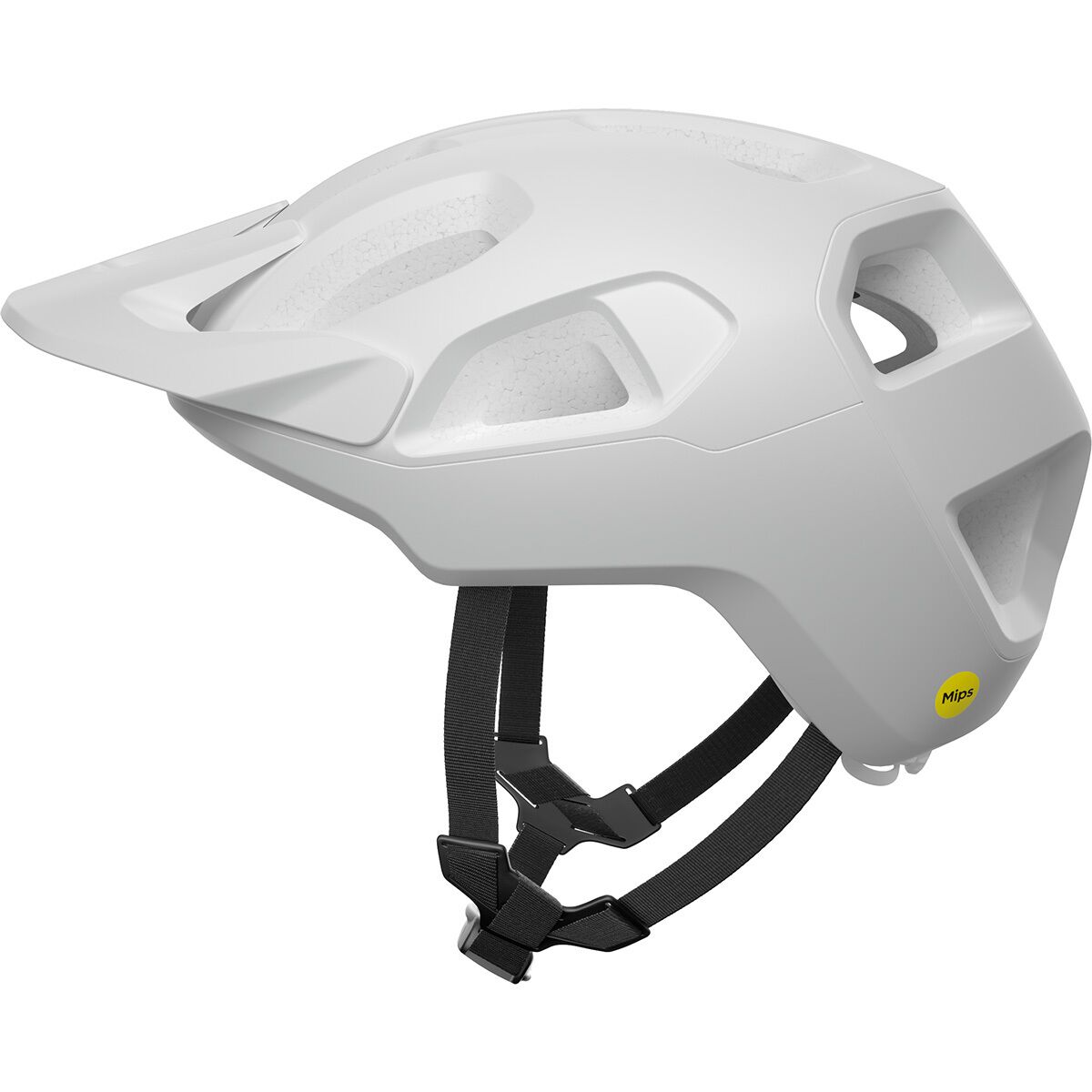
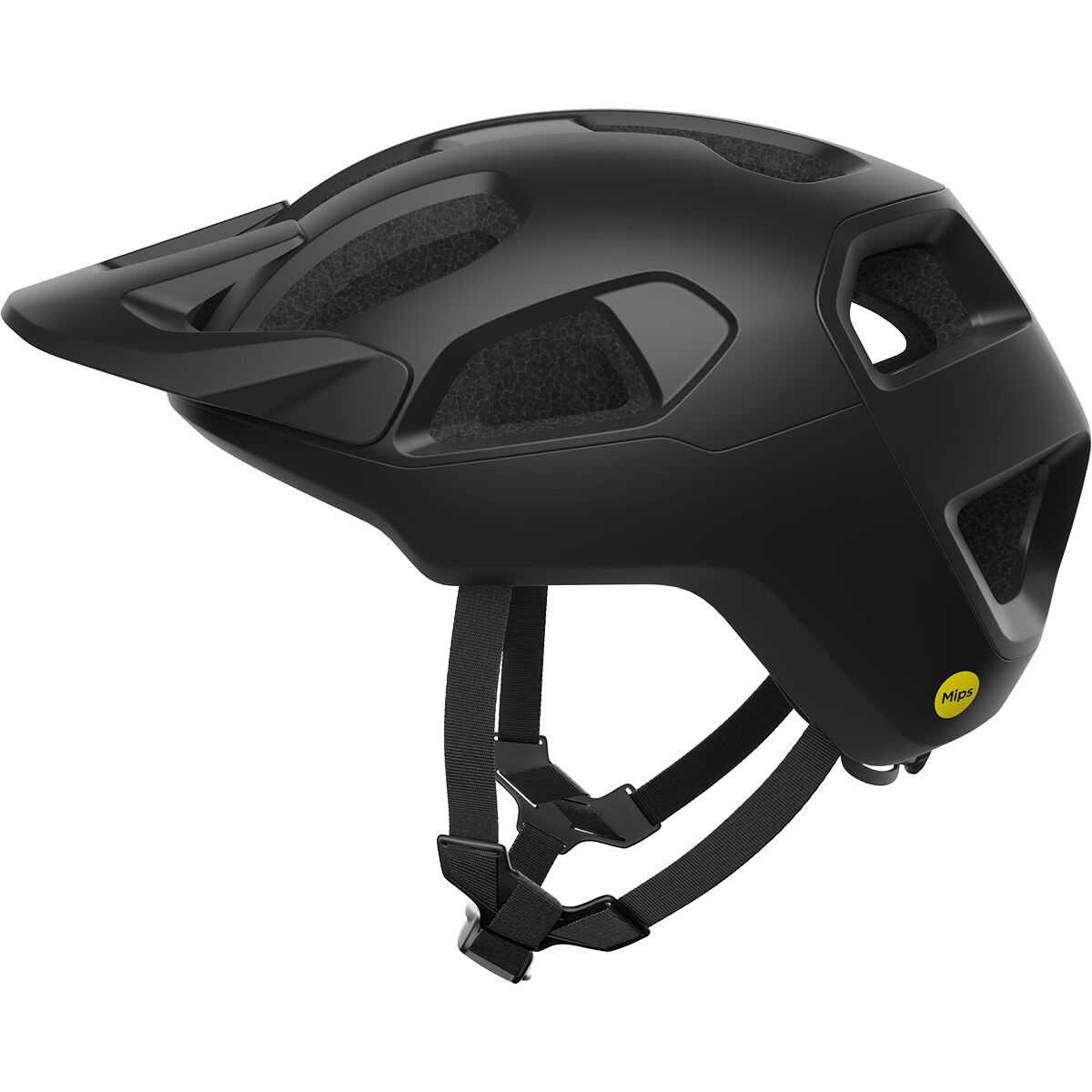
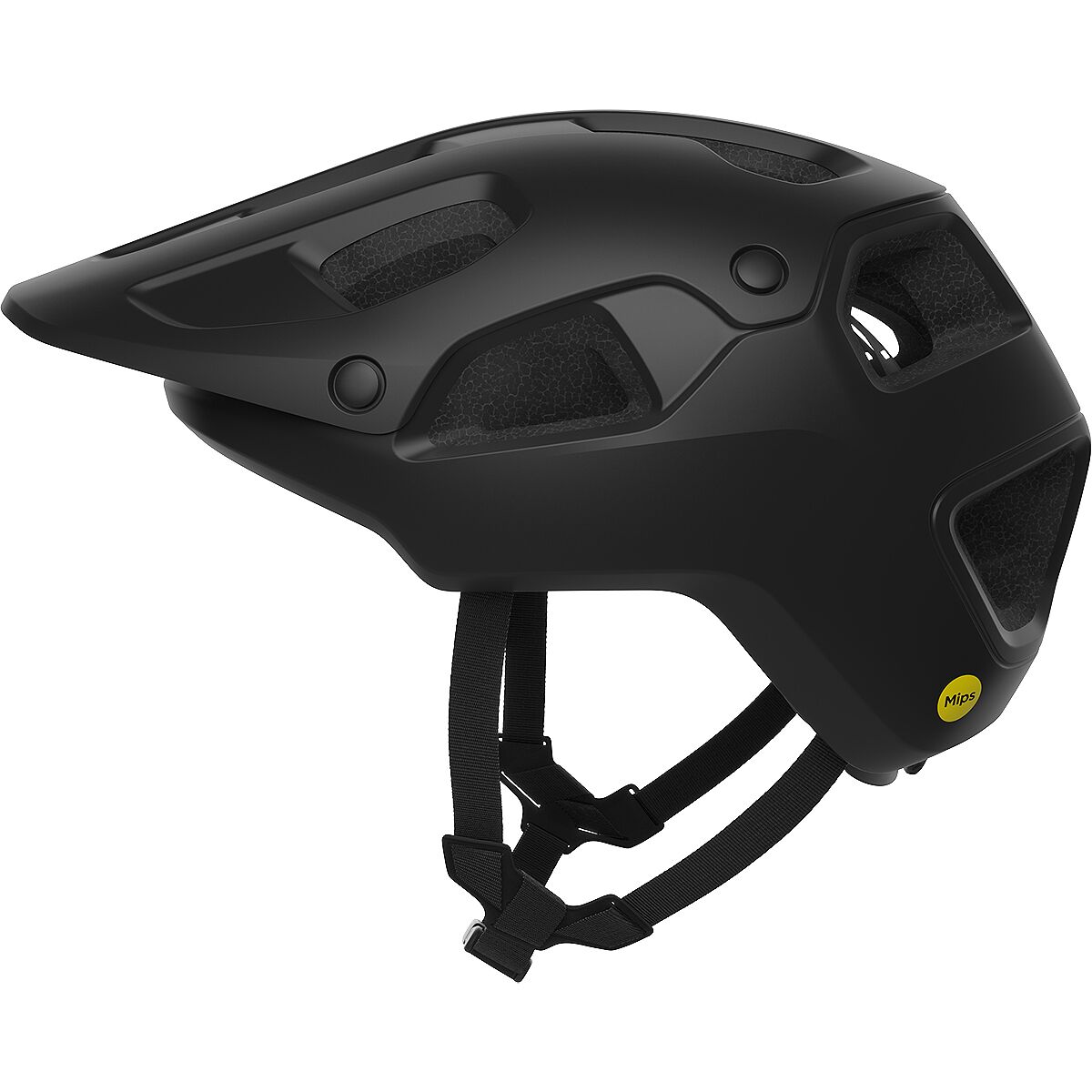
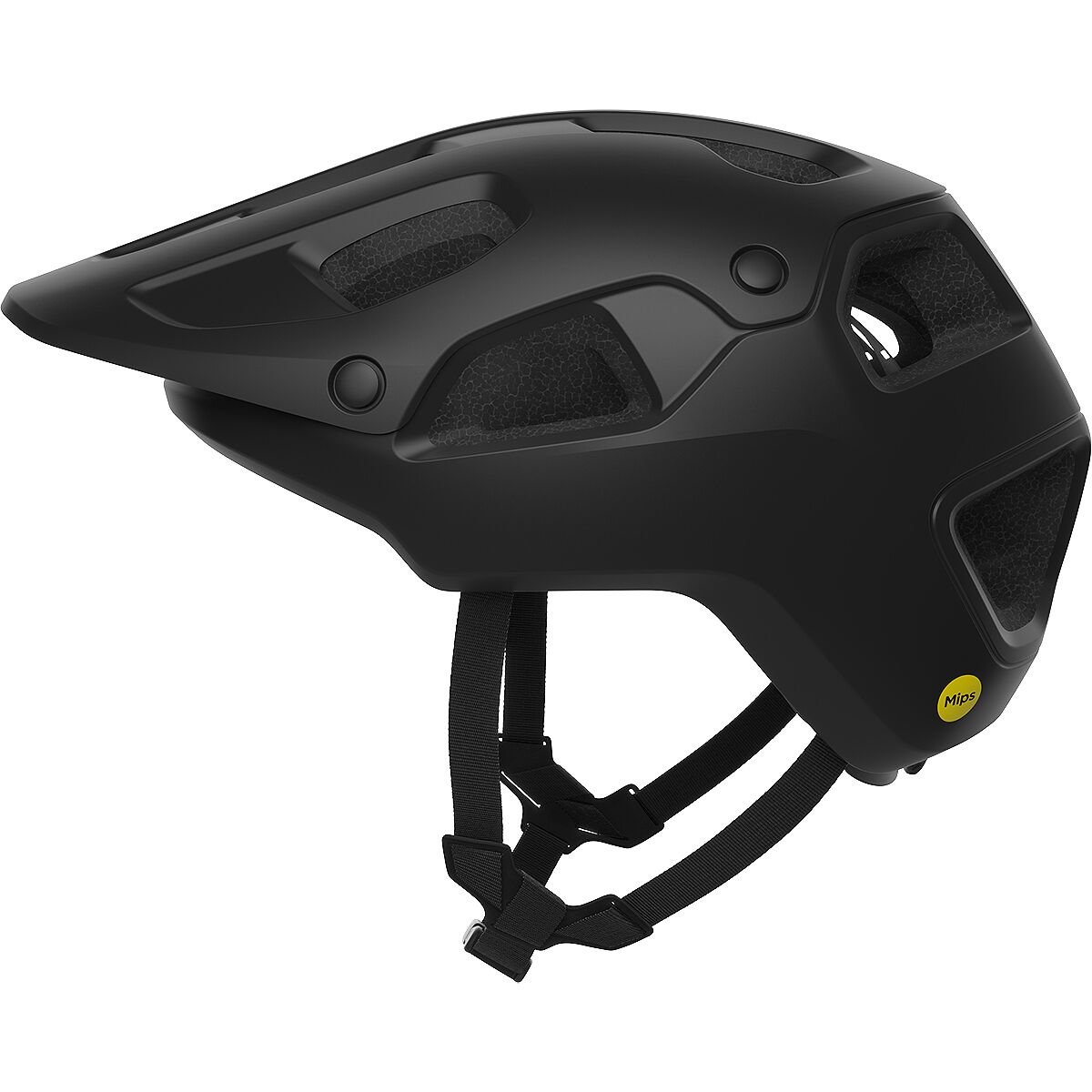
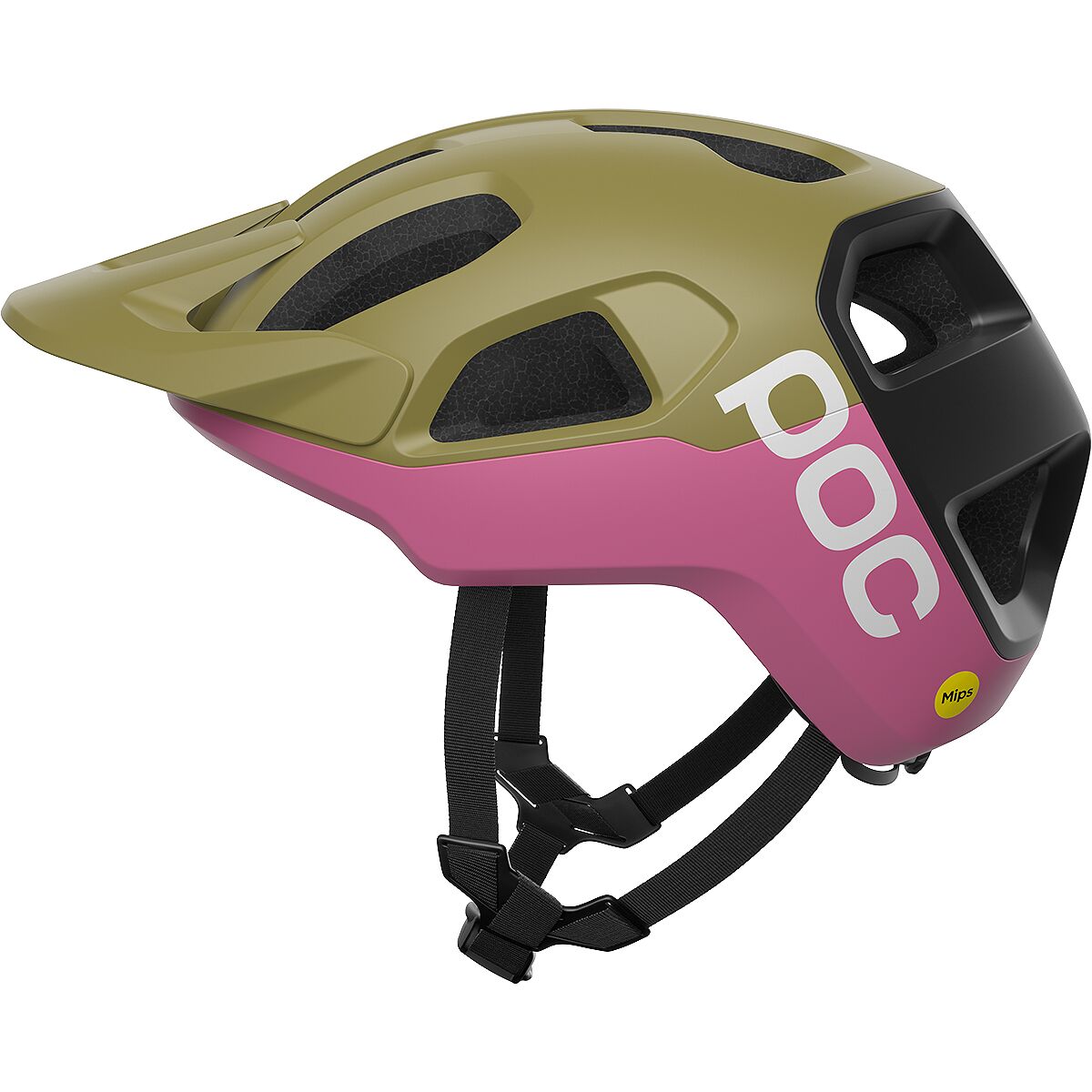
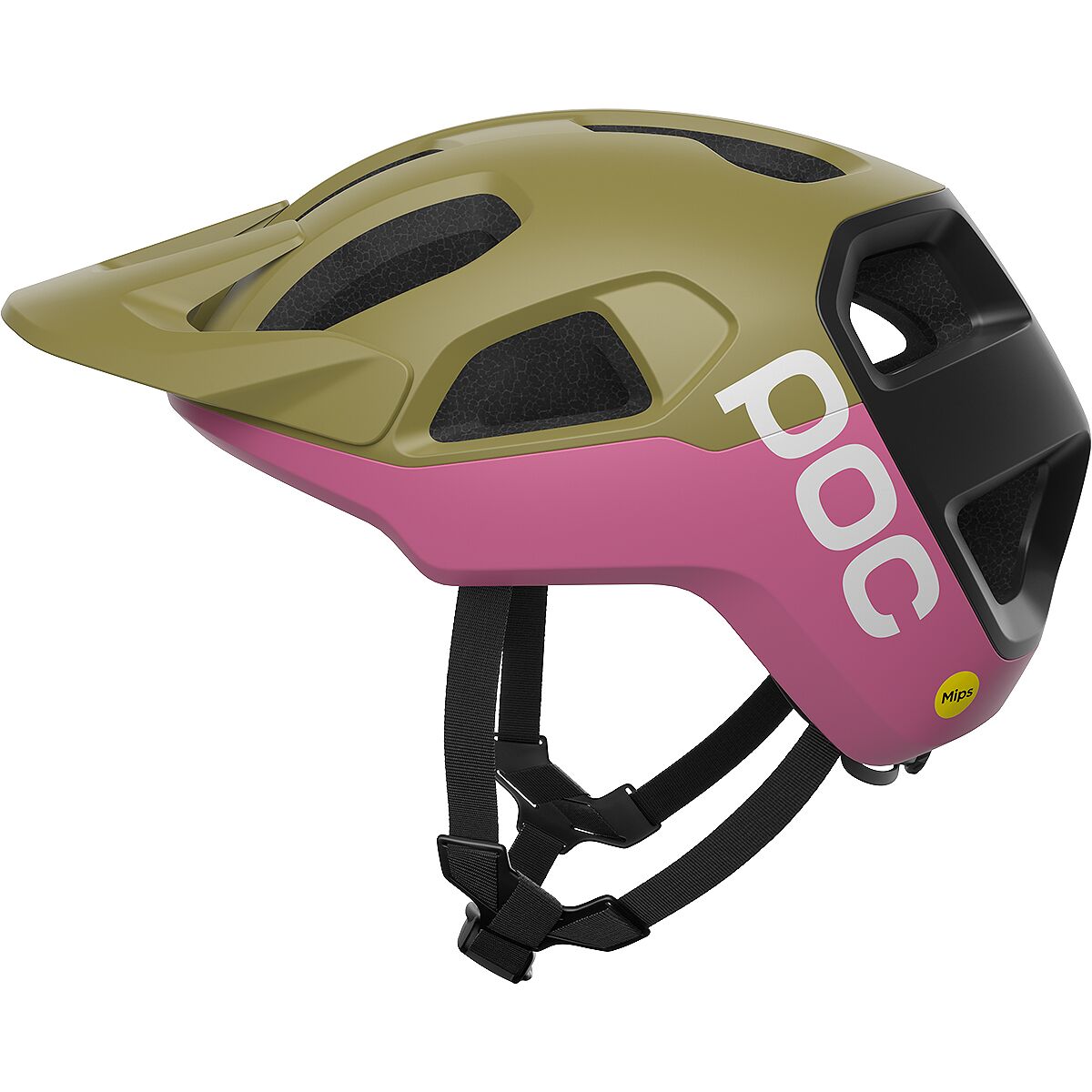
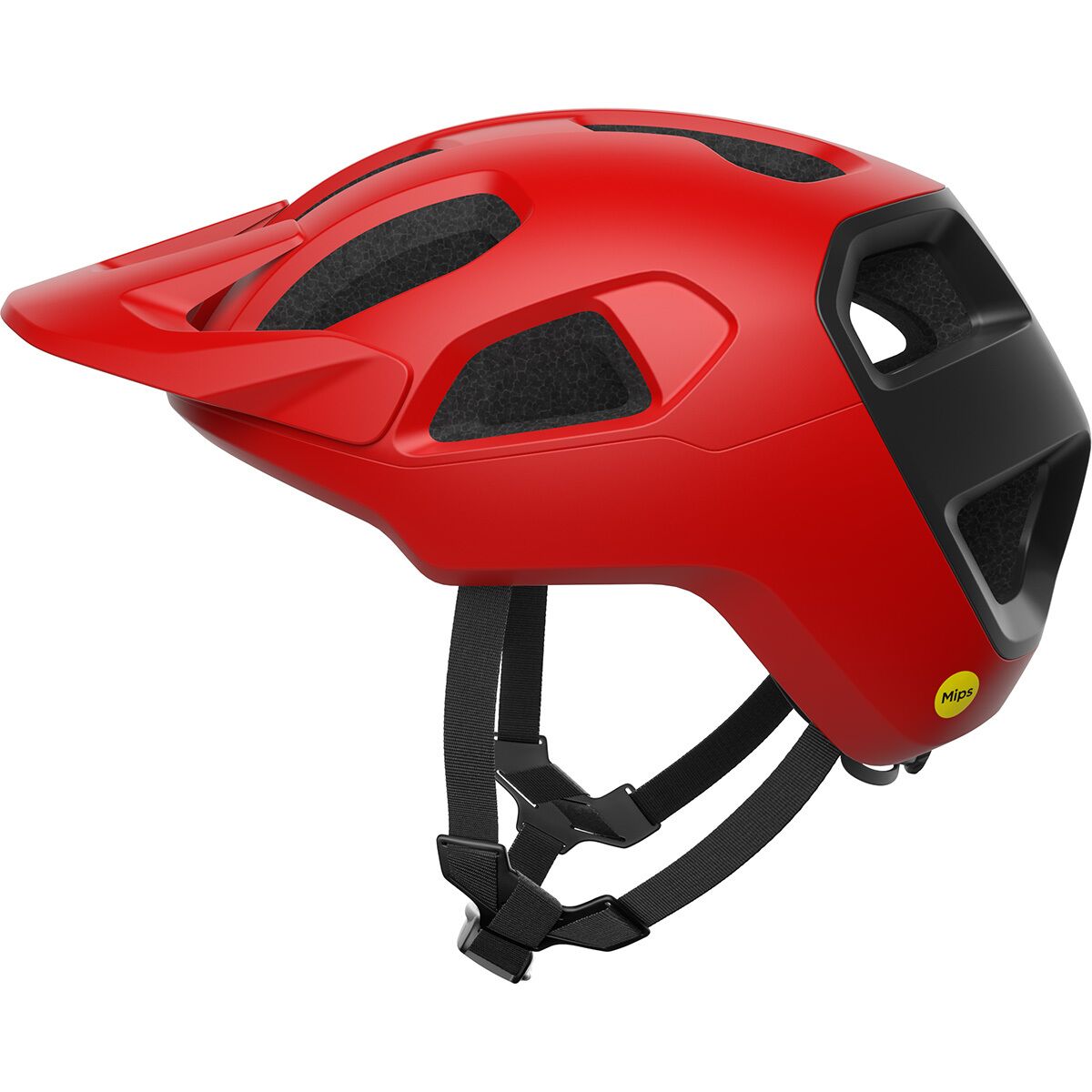
Pulling the all-new Cularis out of the box, the Tectal lineage is obvious – so much so that we had to put them side by side to pick up on the seemingly subtle differences between the two helmets. The profiles are very close, as are the shape and the position of the numerous vents. The openings and the channels have been tweaked for even better airflow however, notably around the back of the helmet.


In terms of construction, POC has stuck with a single-density EPS layer fused to a polycarbonate shell, with the same "aramid bridge" between the layers used to provide extra penetration protection. Before you start worrying about why they didn’t go the dual-density route, it’s probably time to mention here again that the Cularis just took over the #1 spot of the 264 helmets tested to date by the renowned labs at Virginia Tech University.* POC is a safety-first company, and they’ve put their own, very significant, resources to good use in evolving this helmet design, and it beats out the Tectal by a handsome margin (the top-ranked Tectal model currently sits at #84 in the rankings). So while these two helmets may look quite similar from the outside, the Cularis was redesigned from the ground up and that has born its fruit.
*In the context of the testing discussion, it is worthwhile mentioning that Virginia Tech "only" tests down to 4.8 m/s (resultant velocity). Some will argue that dual-density EPS foam is also effective at lower velocities, where the standard foam does not yet deform.


When it comes to comfort, the Cularis uses the new Mips Air Node liner, which serves both as a comfort liner and as protection against rotational impact energy transmission. The new liner is a bit thinner than the outgoing version, and it is very well integrated with the rest of the helmet. There’s a 360-degree ratchet dial system for tightening down the fit, and the chin strap arrangement can be adjusted to sit around your ears in the right spot. A Fidlock buckle makes getting in and out of the helmet a breeze. The adjustable visor has also been updated, it can break away during a crash to avoid hanging up and twisting your head unnecessarily, and it can now also be re-attached afterwards.


On The Trail
Slipping into the Cularis for the first time, the Tectal heritage is once again plainly evident. The fit is very close if not exactly the same, both in terms of size and shape. The size M is listed for 55 to 58 cm head circumference, but it has a little bit more than that to give. My head measures in at 58.5 cm, and I still have a few clicks to spare on the ratchet dial. The Cularis sits deep over the head, and it will work the best for riders with a slightly rounder head shape.


In action, the Cularis is very stable, and it works well with riding eyewear too. The “eye garage” is functional but it’s not the best implementation we’ve seen, the temples of the glasses end up digging into the head a bit too much if you want a really secure hold while storing them up there. As for ventilation, the Cularis breathes exceptionally well. The smallest movement will translate into fresh airflow, and even when standing still the helmet doesn’t feel like it heats up significantly. In the rough stuff, the Cularis remains securely in place, without any undue movements observed. It is also completely silent, thanks to the Mips Air Node liner which is vastly superior in this regard to the classic plastic Mips layers.

What’s The Bottom Line?
Appearances are not everything, and the all-new Cularis is ample proof of that. Despite being visually very similar to the model it replaces in the POC line-up, it has been redesigned from the ground up and the result is quite simply the new class leader when it comes to safety, as evaluated by Virginia Tech. In addition to its superior safety performance, it is also very well ventilated and very comfortable in action – clearly deserving of a spot on the shortlist for your next half-shell helmet. It’s a little bit on the pricey side, but you’re absolutely getting value for your money here.
More information at: www.poc.com.
About The Reviewer
Johan Hjord - Age: 51 // Years Riding MTB: 19 // Weight: 190-pounds (87 kg) // Height: 6'0" (1.84m)
Johan loves bikes, which strangely doesn’t make him any better at riding them. After many years spent practicing falling off cliffs with his snowboard, he took up mountain biking in 2005. Ever since, he’s mostly been riding bikes with too much suspension travel to cover up his many flaws as a rider. His 200-pound body weight coupled with unique skill for poor line choice and clumsy landings make him an expert on durability - if parts survive Johan, they’re pretty much okay for anybody. Johan rides flat pedals with a riding style that he describes as "none" (when in actuality he rips!). Having found most trail features to be not to his liking, Johan uses much of his spare time building his own. Johan’s other accomplishments include surviving this far and helping keep the Vital Media Machine’s stoke dial firmly on 11.
Photos by Johan Hjord
| Where To Buy | |||
|---|---|---|---|

|
Free shipping on orders over $50 (continental U.S. only).
International shipping available. Some exclusions apply. |
Free shipping on orders over $50 (continental U.S. only).
International shipping available. Some exclusions apply. $260.00
|
|
|
|||

|
|||

|
Free U.S. shipping on everything.
International shipping available. Some exclusions apply. |
Free U.S. shipping on everything.
International shipping available. Some exclusions apply. $260.00
|
|

|
|||

|
|||

|
|||

|
|||

|
|||

|
|||

|
|||

|
|||

|
Free shipping on orders over $69 (continental U.S. only).
International shipping available. Some exclusions apply. |
Free shipping on orders over $69 (continental U.S. only).
International shipping available. Some exclusions apply. $260.00
|
|
|
|||
|
|||
|
|||
|
|||
|
|||
|
|||
|
|||
|
|||
|
|||
|
|||
|
|||
|
|||
|
|||
|
|||
|
|||
|
|||
|
|||
|
|||
|
|||
|
|||
|
|||
|
|||
|
|||
|
|||
|
|||
|
|||
|
|||
|
|||

|
Free shipping on orders over $50 (contiguous U.S. only).
International shipping available. Some exclusions apply. |
Free shipping on orders over $50 (contiguous U.S. only).
International shipping available. Some exclusions apply. $260.00
|
|
|
|||
|
|||
3/19/2025 9:52am


View replies to: New #1 Virginia Tech Rated Helmet: POC Cularis
Comments