



It’s a big year for gravity suspension with the two main players—FOX and RockShox—revamping most of their lineups. RockShox kicked things off with the new Boxxer and Vivid. Now, it's FOX’s turn. First up to bat, the 40. We’ve spent the past half year watching Jackson Goldstone and others rip around on ‘RAD’ 40’s with speed holes cut in the arch. The chassis was clearly new, but what was hiding inside the Swiss cheese lowers? Well, if you paid attention to what FOX did with the 36 last year, then get ready for a refresher, because a lot of that tech is being pulled up to FOX’s larger-tubed fork(s).
Below are my notes from the FOX press camp I attended last month. I didn’t get to ride the 40, but we’ve got one on order with plans to test the obvious—comparing it to the new Boxxer.

Key Updates
- New generative-designed lower legs (29-inch only)
- Updated Grip X2 damper
- New Glidecore air spring
- Updated bleeders and relocated bypass channels (29-inch only)
- Cassette tool air side top cap
- New mud guard attachment points (29-inch only)
- Additional offsets—44, 48, 52, 56mm
- 203mm travel (190mm air shafts available)
- DH Boost 20mm axle
- Factory Series and Performance Series (OE option)
- Colors: shiny black (29”, 27.5”), orange (29”)
- Weight: 2888g (40, 29, F-S, 200, Grip X2)
- MSRP: $1,999
Chassis
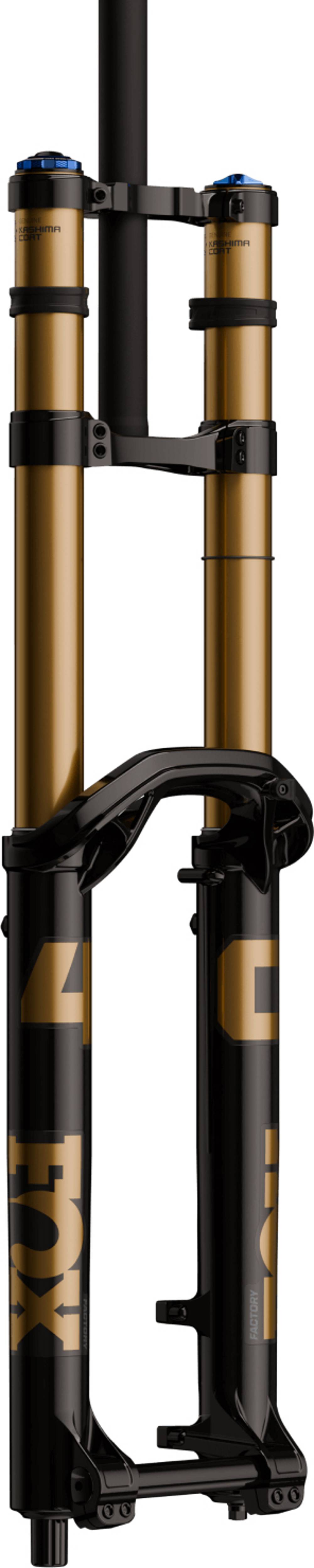
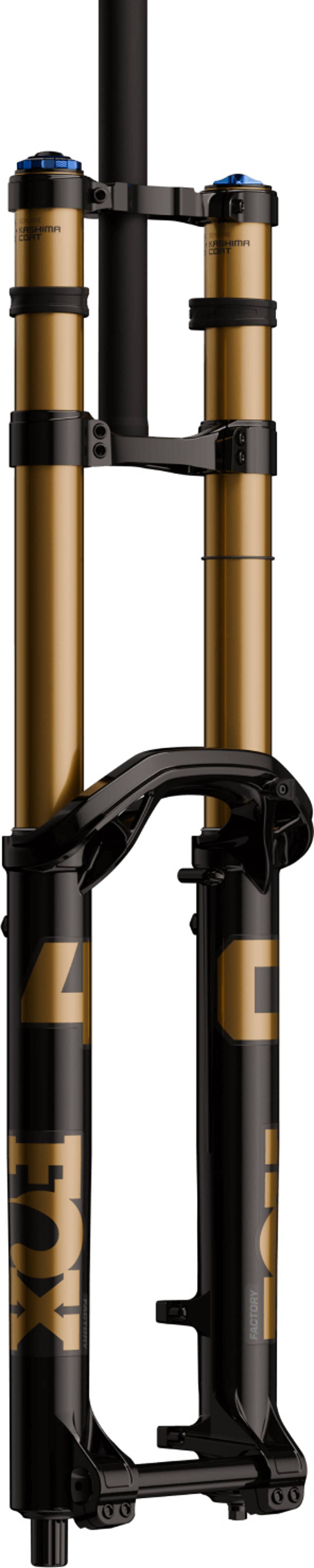
First, it was the Step Cast 32. Then the 36, 36 SL, and 34 SL. Now, the 40 gets fresh lower legs made using generative design. Thanks Ai! The arch features strategic cutouts to balance weight savings with torsional stiffness. Unlike the 34 SL and 36 models that boasted increased stiffness due to the new lowers, FOX was content with the feel of the previous 40. The new design maintains the same stout but calm quality the 40 is known for.
FOX really wanted the 40's damping to come from the damper. Not from the lowers or air spring. They targeted this issue in the lowers by relocating the bypass channels from the back to the inside of the lowers to reduce bushing binding during fore-and-aft flex. Less binding means less friction and more consistent performance.


The 40 also receives the same updated bleeder valves debuted on the 36, which are easier to press and allow air to flow out around the bleeder nipple.
Glide Core Air Spring
The update that should have the biggest impact on control, comfort, and consistency is the switch to FOX’s latest Glidecore air spring. Introduced in the 36 and 36 SL, and also found in the Podium, the air spring uses a flexible joint between the piston and shaft, allowing the shaft to move laterally as the chassis flexes. This keeps unwanted forces from being transferred to the piston, resulting in less binding. It also gives the shaft a small amount of vertical compliance, reducing breakaway force. We’ve loved how calm and smooth the latest 36 has performed, and chalk much of that success up to the new air spring. It’ll be cool to see how it improves the 40's feel when combined with its stiffer chassis.

I also have a note that the negative volume has increased. I’m not sure by how much, but the change is said to lower the initial spring rate, resulting in a more supple initial stroke.

Grip X2 Damper Updates
FOX rolled out its Grip X2 damper two years ago and boy oh boy was it an upgrade. Noteworthy changes then were a larger base valve and way more shims, which improved damping consistency at varying velocities and damper response time. They also made a point to make each click of compression rideable. The on-trail highlights have been a much smoother, better-tracking fork and a taller average ride height. Plus, you could actually crank on compression damping without developing a wall of harshness at any point in the stroke.
This go-around, the focus is on improving the damper's sensitivity while keeping all the control and tunability. It’s not a major overhaul, but there are a few meaningful updates.

The main change is that the rebound valves are no longer round; they are cut to create a more direct flow path to a new mid-valve piston that has larger ports. As you hit bumps, more oil passes the main piston more easily, increasing damper sensitivity and offering better ground feel. There is also a new VVC plate that improves oil flow and provides more consistent damping steps between each click of high-speed rebound. On the compression end, there is new valving that’s a bit heavier-damped to match the friction reduction from the new air spring and chassis.
Like before, you have four external adjustments (LSC, HSC, LSR, HSR) with the same number of clicks—8 for high-speed compression and rebound, 16 for low-speed compression and rebound.
Product Specs and Offerings
The 40 is still offered for 27.5 and 29-inch wheels with 203mm of travel, and retails for $1,999 USD. 190mm airshafts will also be available. There are now four offset options—44, 48, 52, and 56mm. 29-inch forks come with a 52mm offset, and 27.5-inch forks come with a 48mm offset. The 44 or 56mm offset will be available only on complete bikes. The 29-inch model uses a PM200 rotor size, while the 27.5-inch model uses a PM203. Both have a maximum rotor size of 230 mm. Sadly, there aren’t any funky color ways this go around—just shiny black (29”, 27.5”) or orange (29”).


View key specs, compare forks, and review the new FOX 40 in the Vital MTB Product section.
| Where To Buy | |||
|---|---|---|---|

|
Free U.S. shipping on everything.
International shipping available. Some exclusions apply. |
Free U.S. shipping on everything.
International shipping available. Some exclusions apply. $1,999.00
|
|

|
|||

|
|||

|
|||

|
|||

|
|||

|
|||

|
|||

|
|||

|
|||

|
|||

|
|||

|
|||

|
|||

|
|||

|
|||

|
|||

|
|||

|
|||

|
|||

|
Free shipping on orders over $49 (continental U.S. only).
International shipping available. Some exclusions apply. |
Free shipping on orders over $49 (continental U.S. only).
International shipping available. Some exclusions apply. $1,939.00
|
|

|
|||

|
|||

|
|||
|
|
|||

|
|||

|
|||

|
|||

|
Free standard UK delivery on orders over £50.
|
Free standard UK delivery on orders over £50.
£1,699.99
|
|

|
|||
|
|||

|
Free shipping on orders over $50 (continental U.S. only).
International shipping available. Some exclusions apply. |
Free shipping on orders over $50 (continental U.S. only).
International shipping available. Some exclusions apply. $1,249.00
|
|

|
|||
|
|||
|
|||
3/19/2026 9:00am
0 comments
To post, please join, log in or connect to Vital using your Facebook profile Login with Facebook.


