



I’ve ridden very few bikes in the last 16 years that didn’t have TRANSITION on the downtube, so I was stoked to join Santa Cruz and spend some time on the new Tallboy. I rode a rental Bronson for a day in Oakridge, Oregon, back in 2016, and rode a Gen 1 Heckler for a day in 2021. So I had minimal preconceptions about what to expect.
I knew the Tallboy had been in the SC lineup for many years and is a shorter-travel bike. Beyond that, it was a perfect blind test.
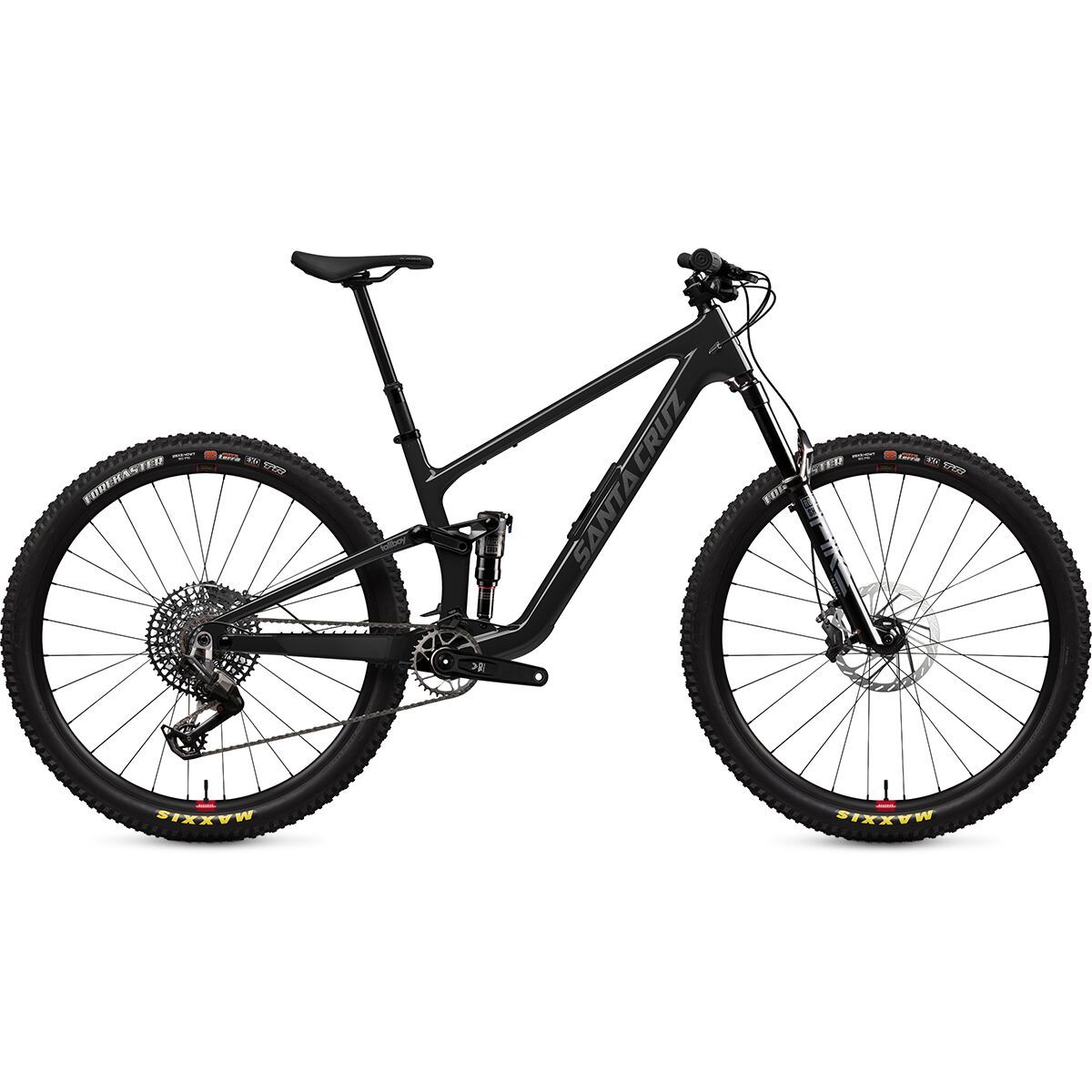
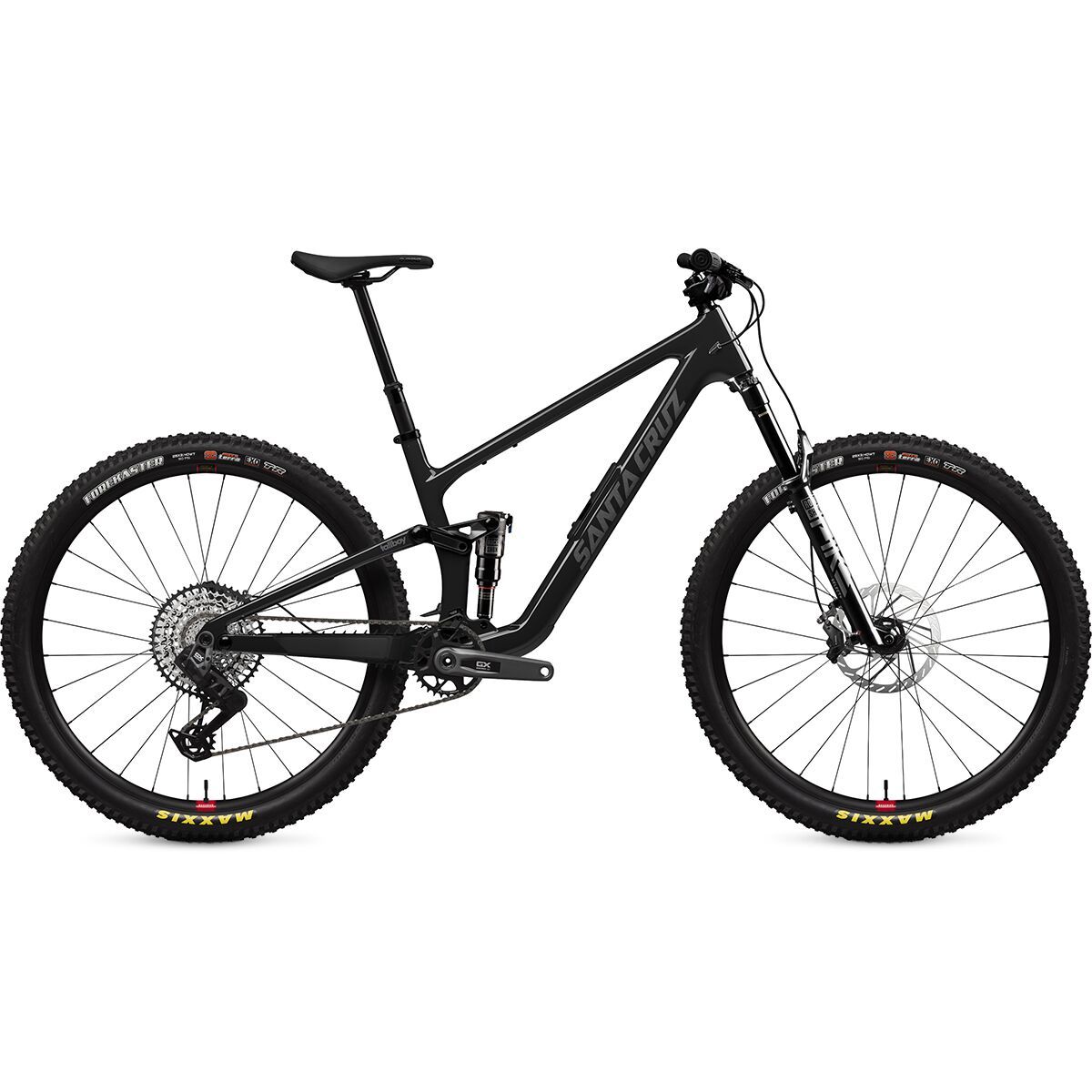
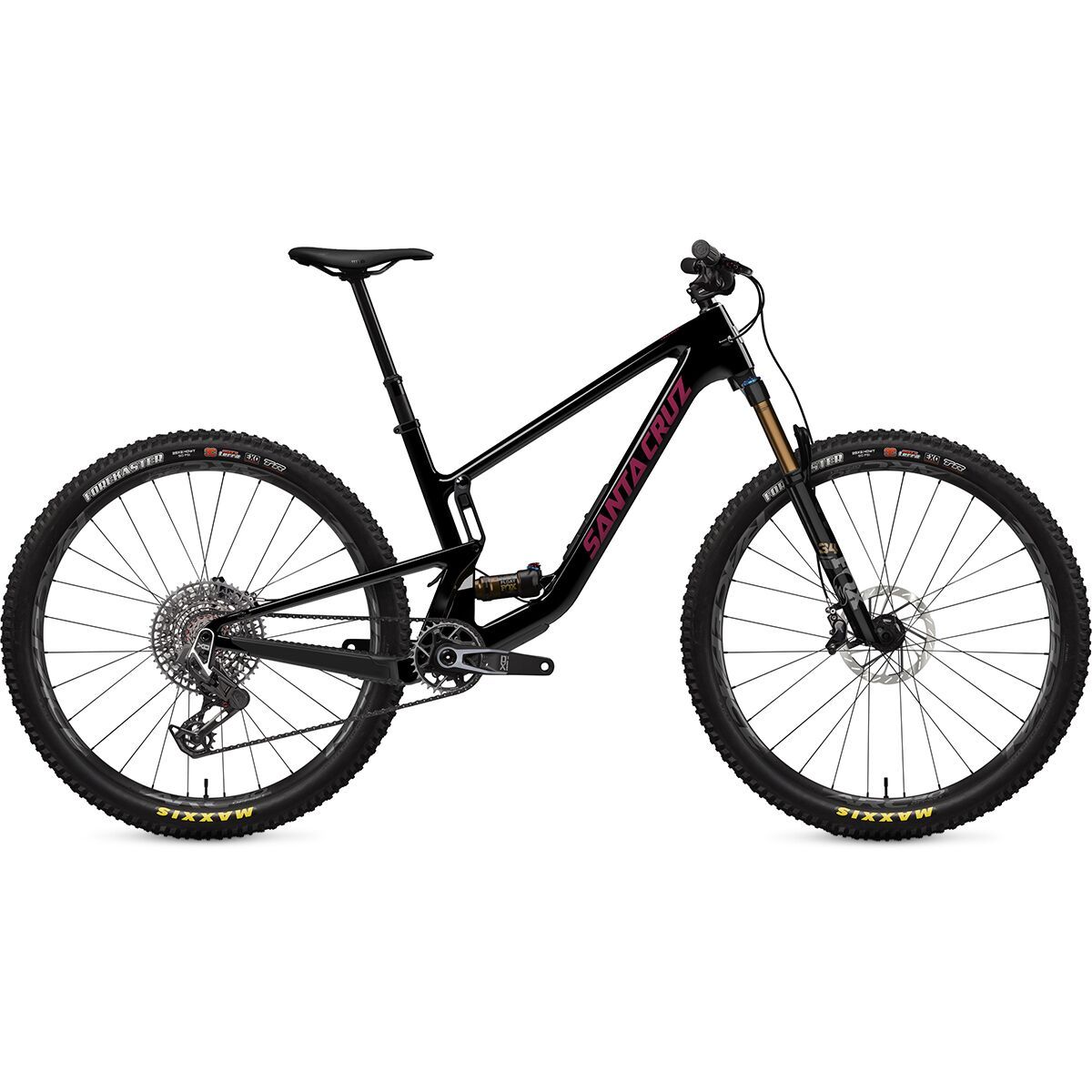
2026 Tallboy V6 Highlights
- 130mm of rear wheel travel // 140mm fork (+10mm F/R compared to V5)
- Full carbon frame with alloy rocker (CC carbon only, 300g/.6 lb lighter than V5 frame)
- 4-bar linkage design
- 29-inch wheels only
- Hi/Lo geo adjustment at lower shock mount
- 65.1° or 64.8° head tube angle (.7° slacker than before)
- Uninterrupted seat tube for better seat post insertion
- Fully guided internal cable routing (including mechanical derailleur)
- Updated in-frame storage door and latch
- Under top tube accessory mount
- Proportional geometry and frame stiffness across sizes
- Sizes: XS, S, M, L, XL and XXL
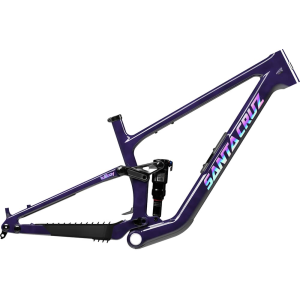
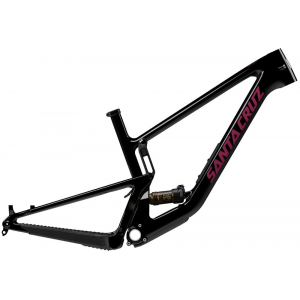
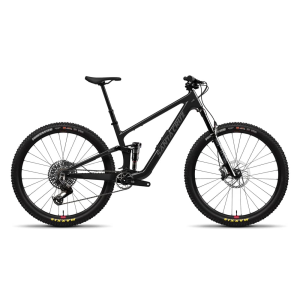
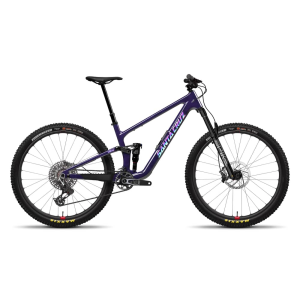
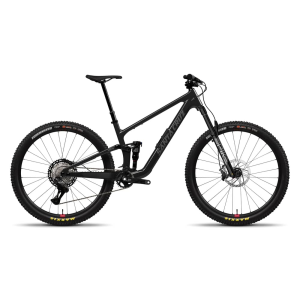
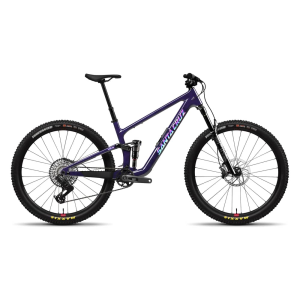
- Colors: Midnight Violet & Gloss Carbon
- Weight: 29.2 - 30.79 lb (13.24 - 13.97 kg)
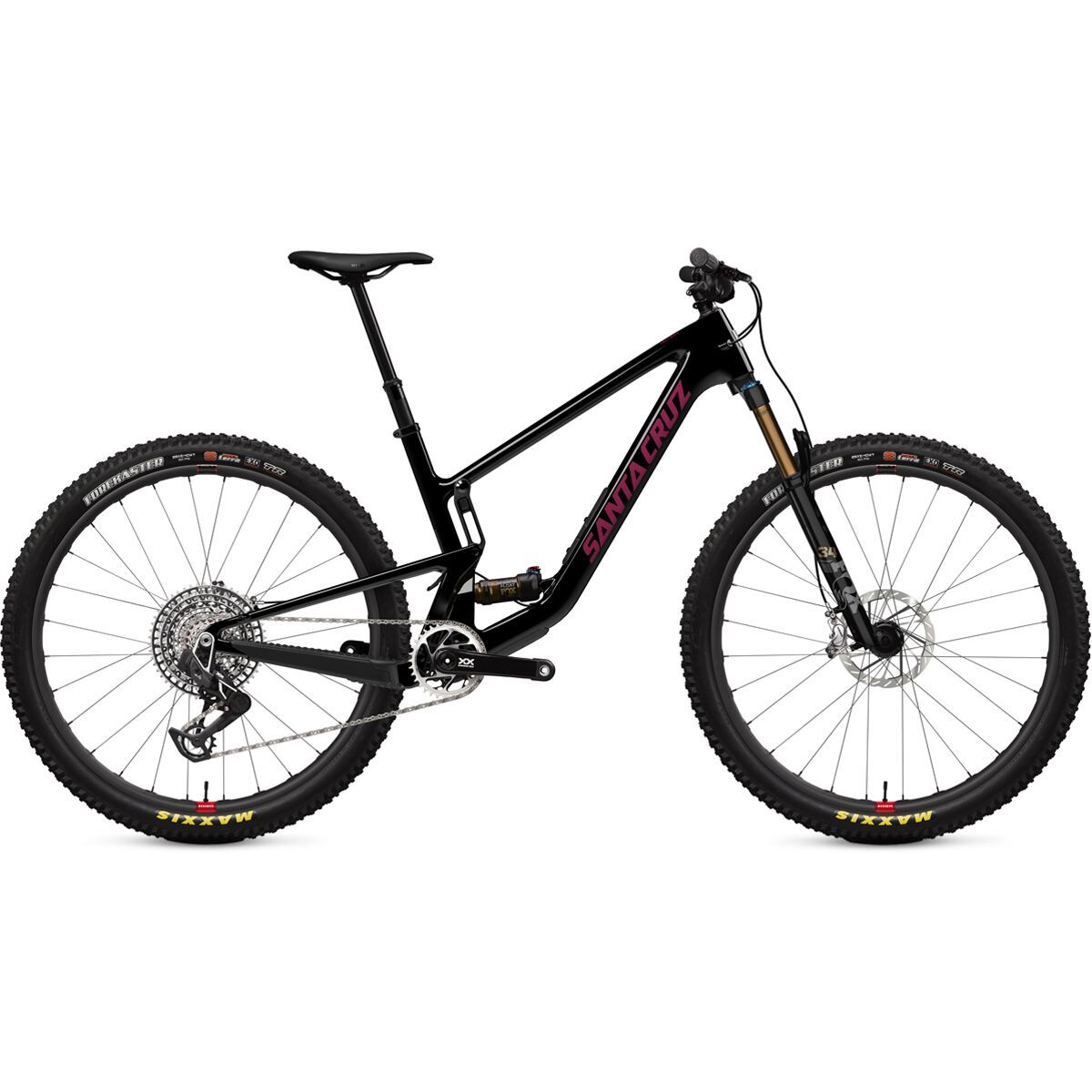
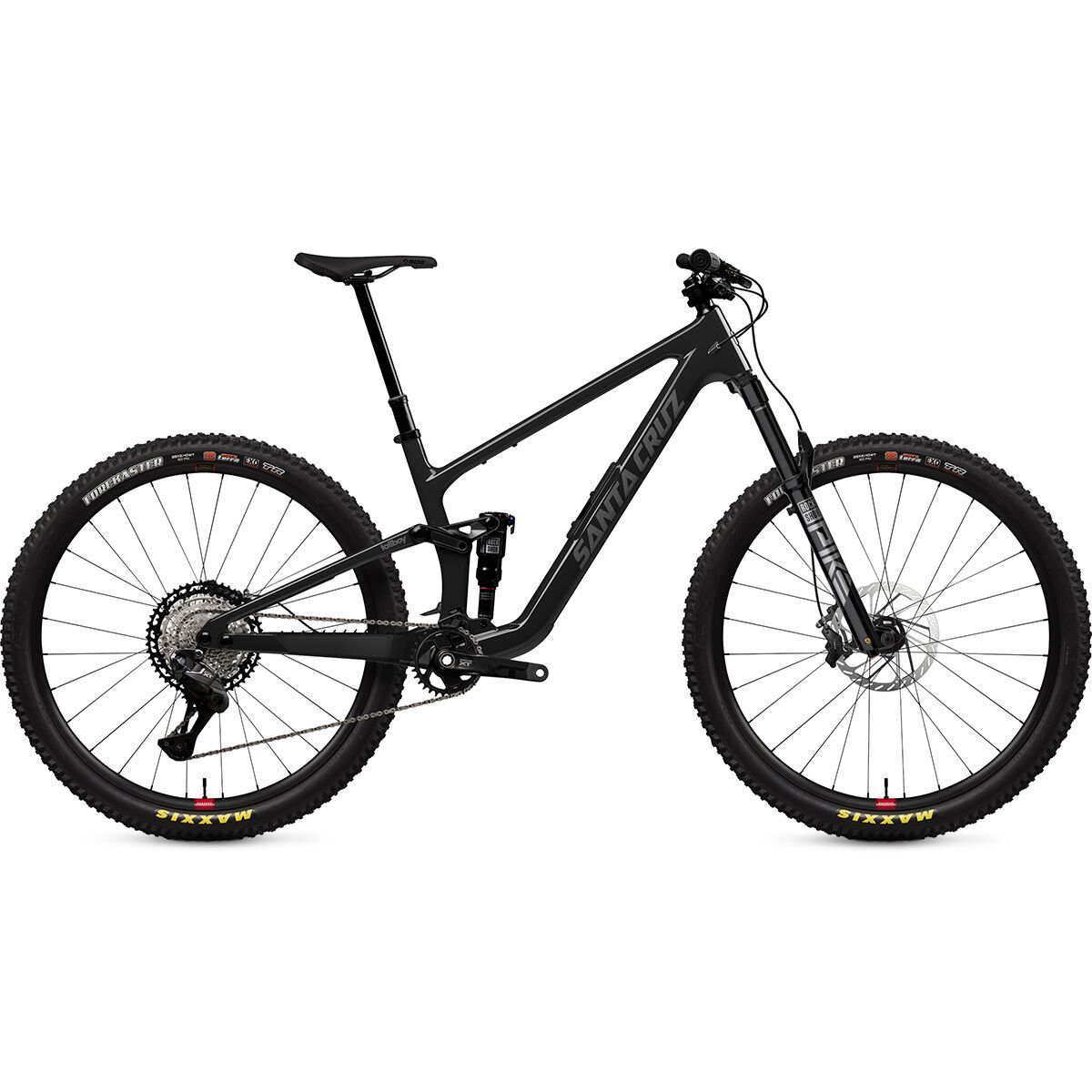
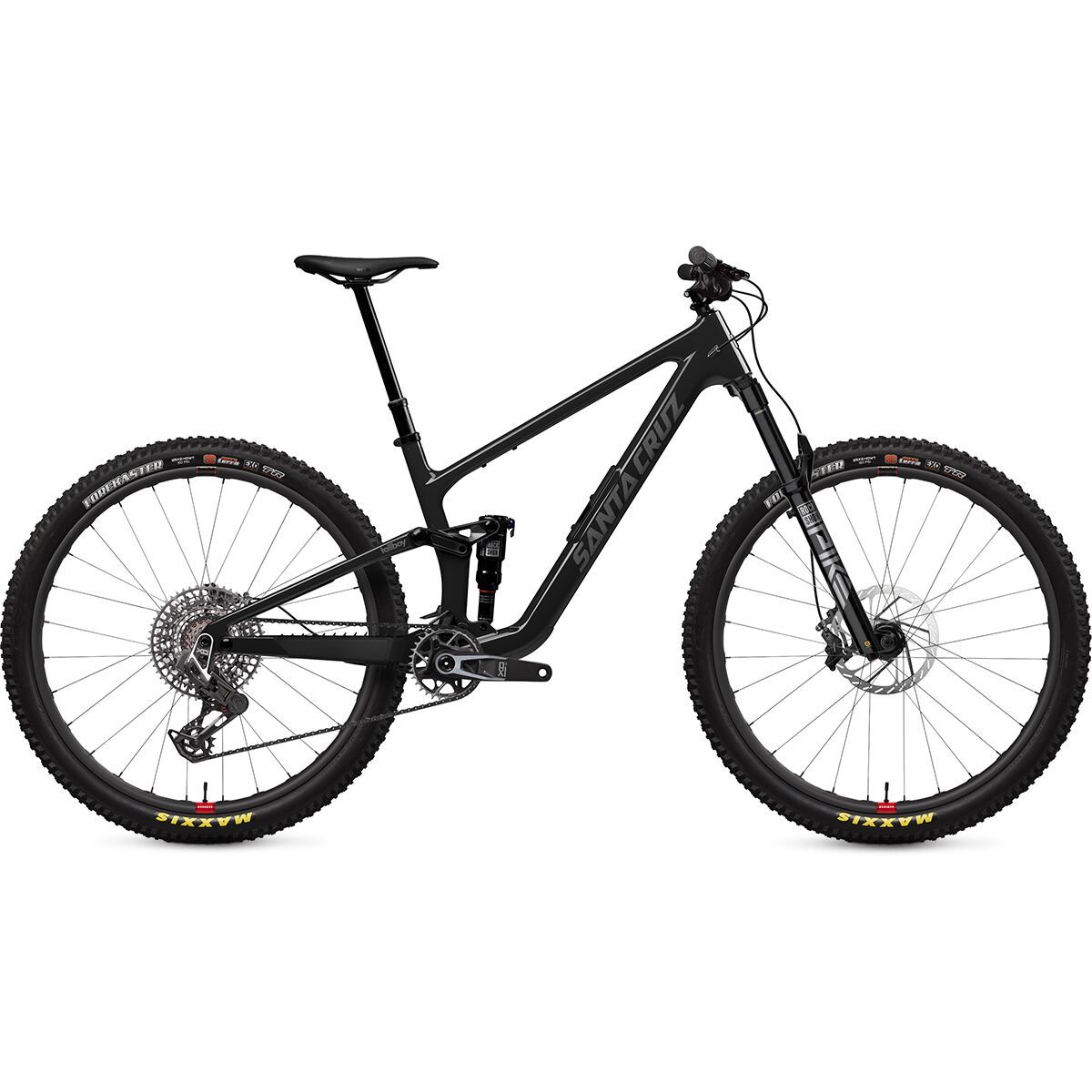
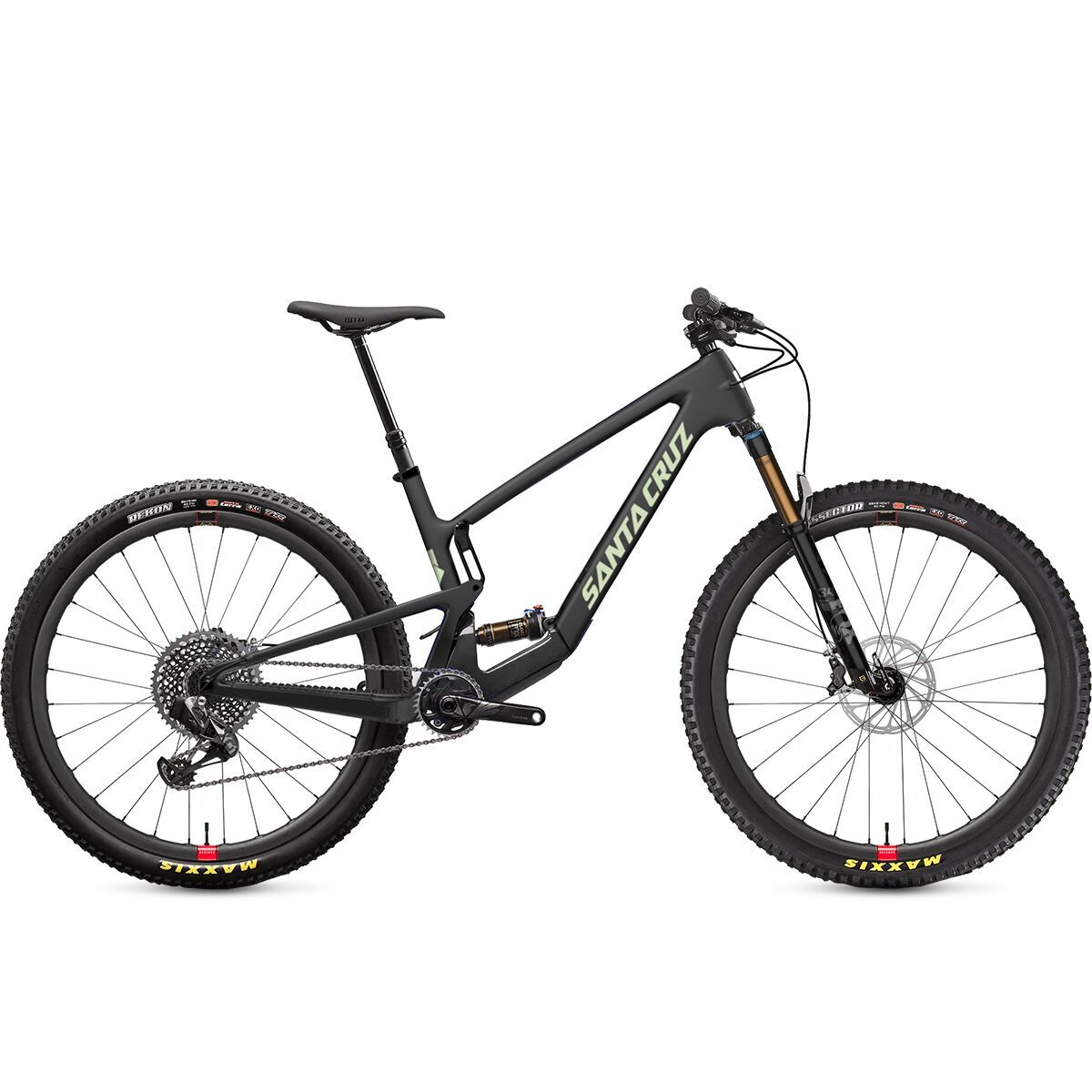
- MSRP (USD): Frameset - $3,899 | 90 - $5,899 | GX AXS - $6,999 | XT Di2 - $7,499 | XO AXS RSV - $9,299

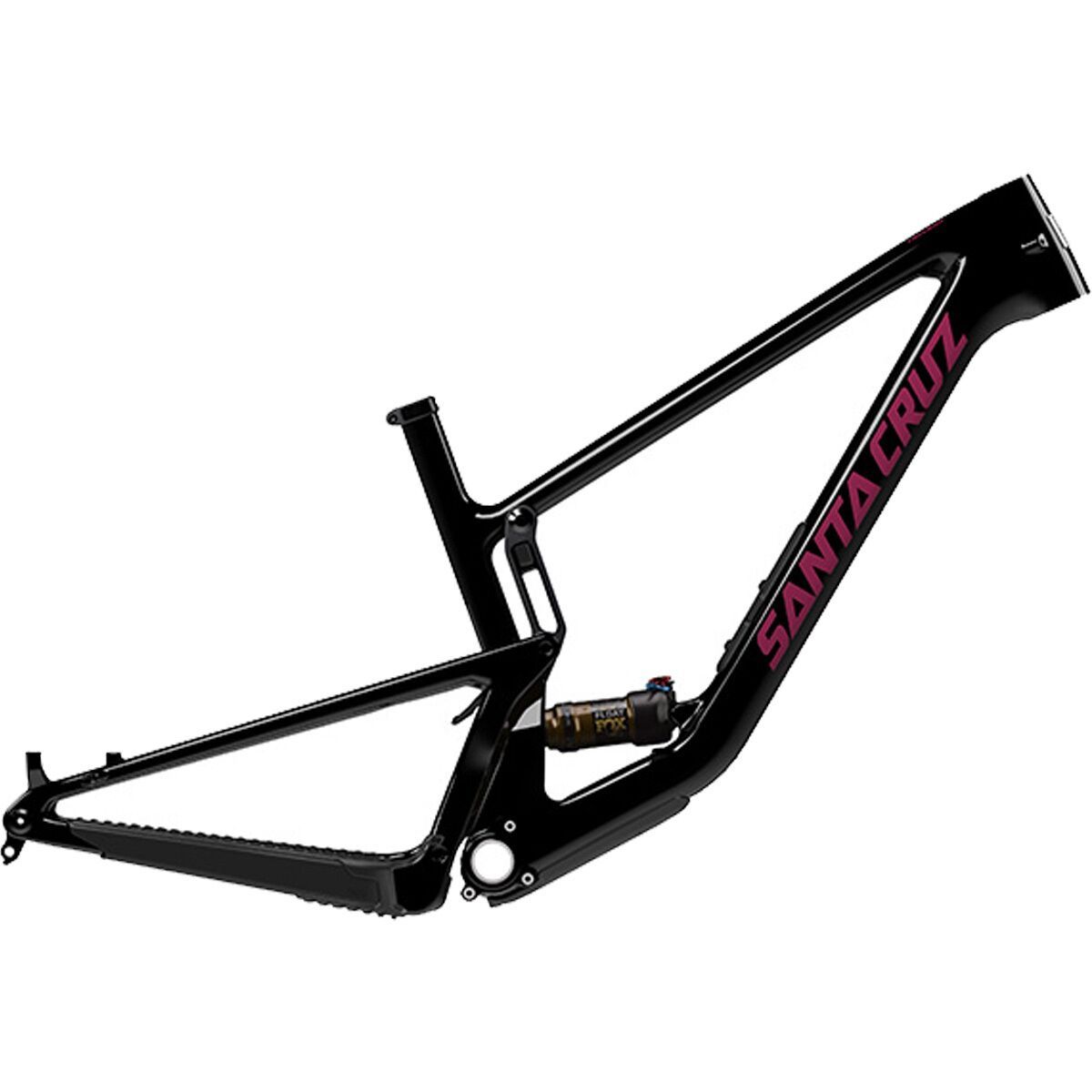
Upon first glance of the Tallboy, the standout feature is its vertical shock and 4-bar suspension layout (aka ‘Crab Link’). Currently used on Santa Cruz’s Bullit and Vala e-bikes, the Tallboy is their first non-eMTB to ditch the VPP suspension design. Santa Cruz says the 4-bar layout allowed them to achieve their ideal rear suspension feel and weight reduction objectives on the new Tallboy.
Santa Cruz: 'The small links on a shorter-travel VPP bike naturally create progressive curves, so we had something soft off the top but quite rampy later on. This works well in certain conditions but doesn't really encourage you when climbing, and can get out of sorts in really rough terrain.
We also knew we wanted to chop some weight out of the bike, and we'd taken the Tallboy 5 as far as we could in that regard. To significantly reduce weight and drastically change the ride feel, we needed a different design.’

What's transpired is a kinematic that's less progressive thanks to a lower starting leverage to keep the bike from sitting into its initial travel, combined with lower anti-squat to maintain climbing traction and suppleness. Anti-rise has also been lowered and made flatter throughout travel to make the bike more active under braking.


Frame Details
I’m a sucker for clean, svelte shapes, which I reckon the Tallboy has in abundance. It’s a very refined-looking frame. No unnecessary bulk anywhere, and slim tubing and form factor. Santa Cruz is not dancing around the longstanding 4-bar linkage, rather leaning into it by opting for a Black alloy rocker link on both color options. Yes, it may look like a Session, but the devil is in the details here.


Geometry
Geometry updates include 10mm more travel front and rear, a slacker head tube angle, steeper seat tube angle, slightly longer chain stays, taller stacks, and a lower bottom bracket. It’s not a massive departure from the previous Tallboy, but all changes create a more descent-friendly geo package. There remains a Hi/Low flip chip at the lower shock mount.

Build Kits
The Tallboy will be offered at six build tiers, but at this time we only have pricing for four builds. What's missing is an entry-level Deore build, and the halo option—an XX Flight Attendant Limited Edition Build.


One Day on the New Tallboy
Santa Cruz provided an information pack the evening before the ride, and I skimmed through it, intentionally avoiding any critical info like geo numbers, suspension information, etc. At 5’8” (172 cm), I’m a pretty standard size medium bike person. I blindly requested a size MD and hoped for the best.
Since the planned media guests for the week were relatively local to Bellingham, we had carte blanche to provide route input. One of the questions I asked before arriving was the tire spec, expecting to hear something like Dissector, DHR II, or Assegai EXO+. The deadpan response was ‘Forekaster type ride’. Cool. This was actually the most helpful piece of information I could have been given to speculate on what we should ride and to get a general sense of the bike's use case. I did catch the header paragraph in the info pack, which rang true to the tire choice: ‘The Tallboy has gone on a diet and bulked up on travel to fit the kind of rider looking to maximize power hours or just ride all the hours.’

Tallboy V6 Setup
I tested the X0 AXS RSV build and made some initial changes for personal preference, as well as set suspension for my 160 lb (72.5 kg) weight:
- Swapped to my own 35mm rise bar, cut to 740mm
- Geometry adjustment set to low
- DT Anti-Kickback hub set to 0 to eliminate variables
- 20mm of spacers under the stem
- RockShox Pike Ultimate fork settings: 80 psi - Higher than recommended as I prefer a bit firmer fork to preserve front end height // Compression ‘0’ // Rebound set to preference by feel, which is a bit on the faster end
- RockShox Deluxe Ultimate: 170 psi - based on Santa Cruz recommended pressures, providing 15mm/30% sag exactly, nice! // LSC ‘0’ // Rebound set to preference by feel, which is maybe a click or so slower in relation to the fork
We chose a wide selection of trails that suited the Tallboy’s intention. Some fast and relatively chunky low-grip descents, very high-energy, fast-flowy trails with well-supported berms, some with mixed terrain that were well-suited to suspension testing, and some with decent-sized jumps and features. When possible, we opted for the slightly longer singletrack climbing options over gravel roads. Some trails that may be familiar to the Bellingham-versed included: Billy Jack, Hooty Hoot, Cougar Ridge, Bottoms Up, Happy Hour, Oly, Oriental Express, Up2Something, Double Vision, and Cedar Dust. We covered roughly 20 miles (32.18 km) and 4,500 feet (1,371 m) of elevation.
Climbing
The climbing body position was quite comfortable. The seat tube angle felt adequately steep, and the bike was immediately efficient. The Forekaster tires provided a very low-drag feel on the ground, and the rear suspension maintained a higher dynamic sag under pedaling forces and body movement than I’m accustomed to. On singletrack climbs where things were more engaging, the rear end support was noticeable rolling over roots and stepped obstacles by not getting bogged down. The geometry of the bike felt quite adept navigating up tight switchbacks and more challenging climbing sections. Dare I say the Tallboy felt lighter, more nimble and energetic than the numbers may suggest. It was a really enjoyable experience to get on a bike and start going uphill without any baseline for performance or bike weight. It really allowed me to develop a sense of the Tallboy by feeling rather than reading about it and navigating around preconceived notions.
Descending
Adhering to Santa Cruz’s suggested rear suspension settings for correct pressure and sag in the driveway, I noticed that when compressing the rear suspension forcefully I was able to find the bottom out bumper of the shock. It’s a common setup move for me, and a quick tell of what the rear end of a bike does. I also ride quite heavy on the feet, likely more than most.
During a few short sections of low angle descending within our first big climb, I encountered the bottom out bumper. This happened during high-speed compression when heavily weighting the bike for a solid pump, and a few other times when letting my body weight deadfall into the suspension. A quick query of stock volume spacers out of curiosity: 5 of 8. We decided to add 5 psi to the rear shock first to see if that helped. I didn’t notice much of a change in travel consumption with the increased pressure, but I did notice the bike sat slightly higher in the travel which was the opposite of what I wanted.

We quickly added an additional volume spacer, and in 5 minutes, I was aired up again to 170 psi. This made a somewhat positive change in the bottoming sensation. I could still get there, but not quite as often. The fork remained at set-and-forget from the get go. Multiple times, I moved the O-ring down from near the fork crown, but never noticed getting close to max fork travel. Nor did I feel inclined to fiddle with the compression or rebound adjusters. And my hand height in relation to the BB height felt properly maintained.
I initially felt more weighted toward the front of the bike than I wanted to when entering tighter descending turns and switchbacks. After a bit more riding, I realized it wasn’t that my front end was low or that I was being pushed forward; it was that the rear suspension was considerably more active under rear-wheel braking entering these turns. This was driving the front wheel into the ground, providing more front wheel bite. In the past, I’ve only achieved this sensation by having a lower front end as I’m used to the rear end of a bike squatting in these circumstances.
Additionally, the rear shock tune and suspension curve create a very energetic and spritely feel on trail. The Tallboy is a light-footed dancer, not a heavy-handed brute. It’s got quite a bit of pep in its step. Getting over this or that and moving from one place or another is just a hop, skip, and a jump away.
Overall Ride Impressions
As the ride progressed, I was continually encouraged to pull the front end of the bike off the ground, and when doing so, it was surprising how easy it was to maintain a manual. This was contradictory to the amount of climbing traction the rear wheel provided, and the neutral weight balance of the bike climbing and descending. I’ve typically associated some of the front wheel bite when climbing and descending with longer chainstays. Being that longer chainstays typically drive more weight and force into the front end. And although the travel and geometry of the Tallboy are more similar to that of Transition’s Smuggler, I ultimately associated it more with Transition’s shorter-travel Spur model (referring to the 120mm, V1 Spur). The Tallboy provides a ‘go pedal all day’ sort of attitude. As a rider, you feel very centrally located on the bike. It has a fairly natural way it goes about doing things in a variety of circumstances: turning, jumping, maneuvering etc. The one caveat for me being rear end progression. I couldn’t quite shake the desire for a bit more bottom out resistance. Even after adding the additional volume spacer, I seemed to move through the travel more easily than I would have preferred.
As someone with a downhill background, this was a perplexing takeaway for me. The Tallboy now has 10mm of increased travel and subtle geometry updates that suggest more aggressive behaviour, paired with a new suspension layout that leans much more towards efficiency over that of increased shred. Two aspects you might not be inclined to associate with one another. This also rings true in the Tallboys evolving story—from the downhiller’s bump eating XC bike, to the trail rider's trail bike.

What’s The One-Ride Bottom Line?
I would like to explore some rear shock tuning by way of volume spacers. Just to see if I could get to a happy place with rear end progression that doesn’t compromise the attributes that otherwise make this Tallboy what it is. If I have a chance to spend some more time on the Tallboy, watch this space.
Santa Cruz says the new Tallboy has trimmed some fat and gained a bit of travel to appeal more to those who want to go riding all day. I feel like they’ve put the round peg in the round hole in that regard. Whether it’s intended or not, all these updates to the Tallboy translate to it being begged to jump a little farther than needed, landing a little heavier than necessary, and pushing it a little harder. All of which you can still aspire to, whilst riding all day.
About the Tester
Lars Sternberg aka ‘LarsNBars’ - Age: 48 / Bikes became life in 1988 / Height: 5’ 8” (172.7cm) / Weight: 165 lb (74.8kg)
A lifetime of experiences packaged as a mountain biker. Lars learned the fundamentals of hardware thread pitch and differences of metric and imperial tools in the family bike shed at 8 years old. He learned geometry, radius and physics by building and shaping jumps and berms. Growing up at a time when it wasn’t socially acceptable to be both a skateboarder and a biker, he gravitated towards two wheels. Racing was an early and eventual lifetime passion. Bikes provided him a career in the industry. Having lived most of his life full throttle, he now enjoys riding in the middle of the pack, sharing experiences however possible, and finding balance in life.
View the Tallboy's key specs, compare bikes, and contribute a review in the Vital MTB Product section.
| Where To Buy | |||
|---|---|---|---|

|
Free shipping on orders over $69 (continental U.S. only).
International shipping available. Some exclusions apply. |
Free shipping on orders over $69 (continental U.S. only).
International shipping available. Some exclusions apply. $5,899.00
|
|
|
|||
|
|||
|
|||
|
|||
|
|||
|
|||
|
|||
|
|||

|
Free shipping on orders over $50 (continental U.S. only).
International shipping available. Some exclusions apply. |
Free shipping on orders over $50 (continental U.S. only).
International shipping available. Some exclusions apply. $3,899.00
|
|
|
|||
|
|||
|
|||
|
|||
|
|||
|
|||

|
Free shipping on orders over $50 (contiguous U.S. only).
International shipping available. Some exclusions apply. |
||
5/19/2026 12:00am


View replies to: New Look Who Dis? - Santa Cruz Tallboy 6 - First Ride
Comments