
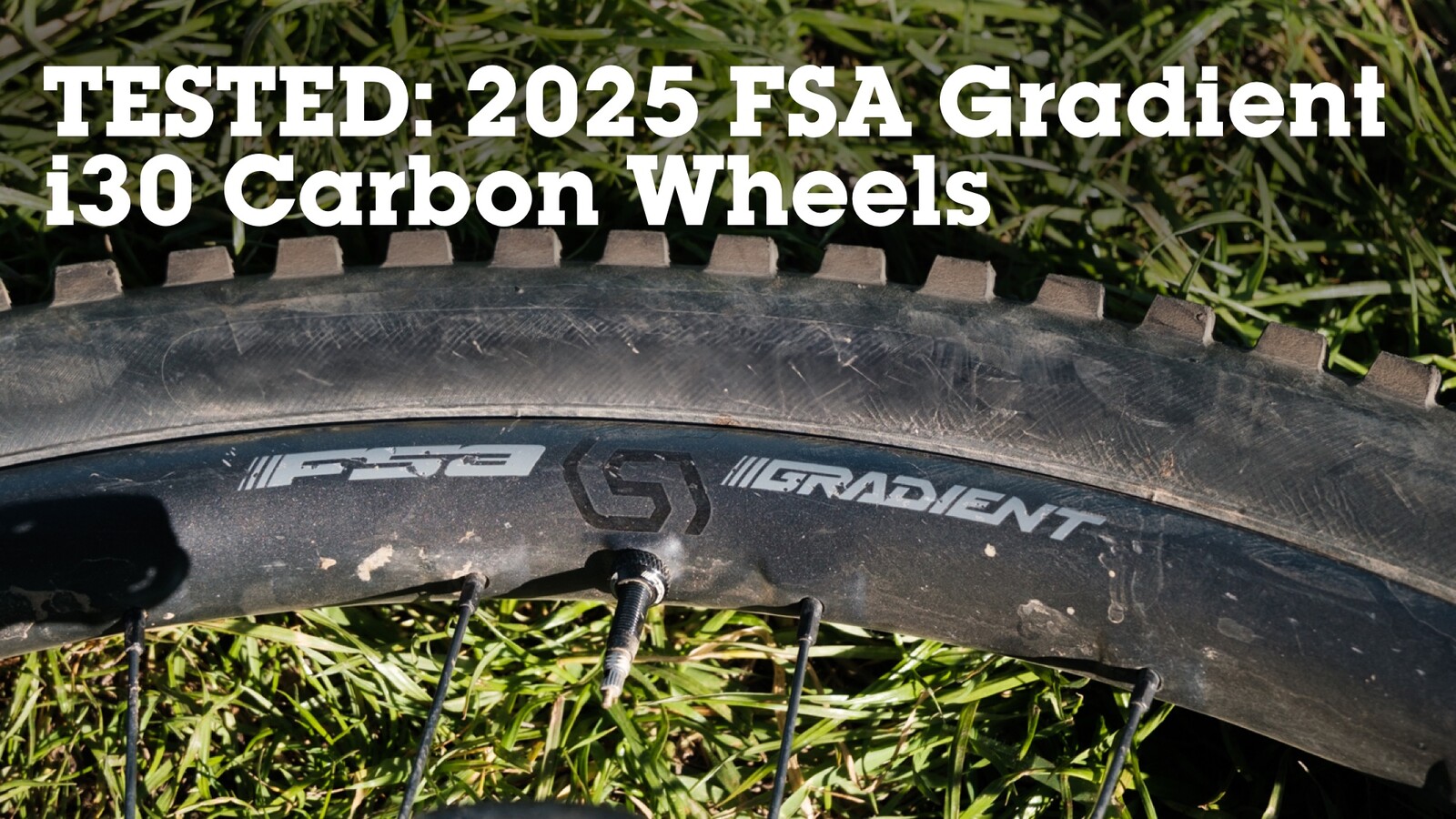
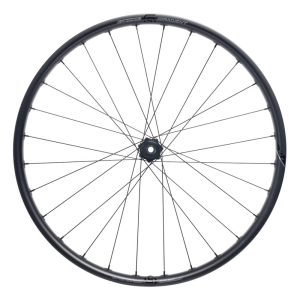
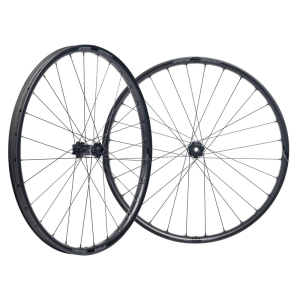
For 2025, Full Speed Ahead (FSA) is revamping its gravity-focused, Gradient product line. The last update came back in 2021, and since then, they've worked with their top-level teams, such as Atherton Racing, to make sure each component can keep up with the demands of aggressive riders. We got our hands on a set of their latest i30 carbon wheels and have spent the past few months smashing down trails to see if they are worthy of the Gradient badge.
Strengths | Weaknesses |
|
|
Highlights
- Hookless, asymmetric carbon rim
- Special carbon layup and unique rim design to increase compliance
- Super wide side wall to reduce pinch flats
- 29-inch only
- 28-hole direct pull spokes w/ brass nipples
- Tire insert compatible
- Lifetime warranty
- FSA X-900 hubs, 6-bolt, 72 P.O.E.
- 1,869 gr/ pair (29 inch)
- MSRP: $1,420

Product Overview
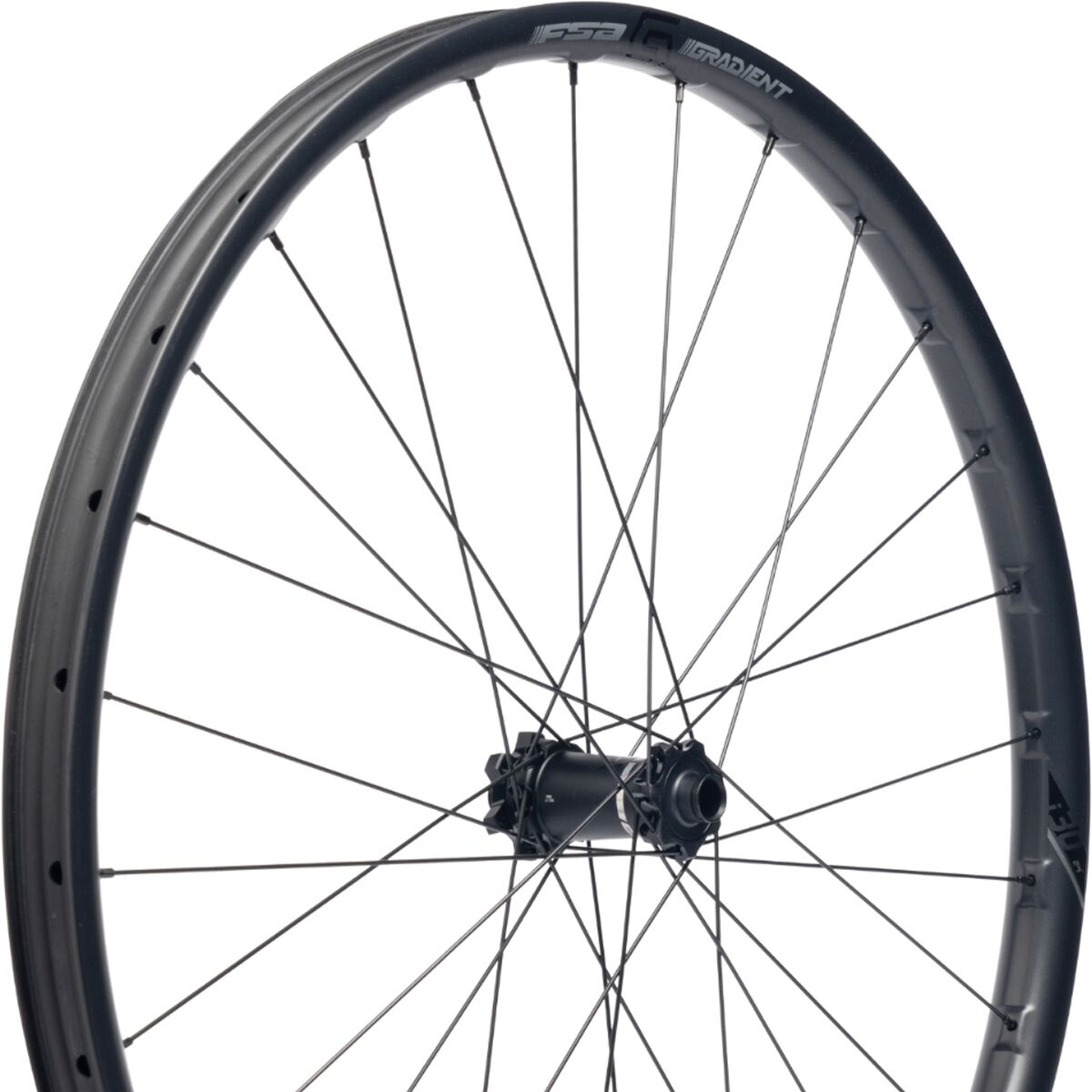
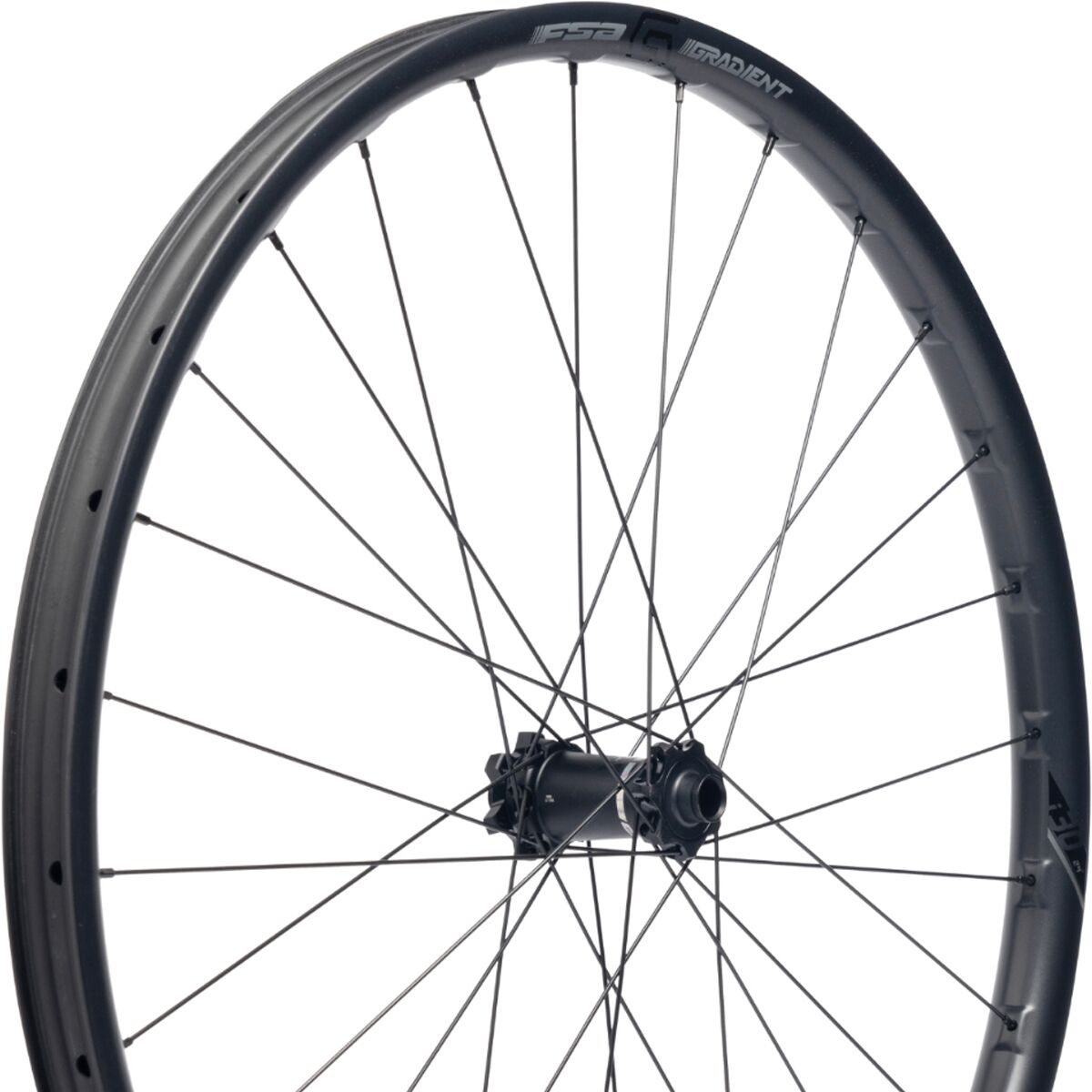
The FSA Gradient wheels are designed for enduro and downhill with an asymmetric profile. They're hand-assembled by FSA and undergo rigorous testing procedures. This includes fatigue, high-impact, and torsional testing. The result is a wheel that FSA is confident possesses the stiffness, control, durability and reliability expected from a carbon, gravity wheelset. And as a sign of their confidence, the wheels carry a lifetime warranty.

The rim has a 24mm depth, 30mm internal width, and 3mm external width. The sidewall is also a super wide, 3.5mm, to reduce pinch flats.


The rim features a turret design around the spoke nipple. The extra mound of material where the nipple meets the rim creates a stronger anchoring point for the nipples without significantly increasing weight. This results in better wheel responsiveness and stiffness.

The i30 wheels are only available in 29-inch boost spacing, with 6-bolt rotors and 28 spokes. They are sold as a complete wheelset with an MSRP of $1,420.
On The Trail
We began testing the i30 wheels in Port Gamble, Washington, then headed down to Angelfire Bike Park in New Mexico and rode every type of terrain in between, from Santa Cruz loam to Southern California dust and rocks. After months of punishment, the wheels have surfaced unscathed, with zero mechanical issues or failures. The spokes are well tensioned, both wheels are spinning true, and the hub bearings still feel smooth. Really, the only sign of wear is the surface of the rims have collected a decent amount of scratches and nicks.

Our initial rides took place on loam-coated trails in Port Gamble, where we raced the Hot Laps Enduro. From the first turns, the responsiveness and stiffness of the wheels were super noticeable. The way they react to rider input is second to none. They tracked really well through the soft, undulating terrain and were very quick and immediate when changing directions.
From there, we went down to Angelfire Bike Park in New Mexico to ride some very different terrain. Angelfire is fast, rough, rocky, and typically dry with hardpack soil. During our time there, we had more than a few really hard rim impacts, one of which caused us to stop on the side of the trail and check if everything was still in one piece. To our surprise, the wheel was completely fine. Having raced downhill at Angelfire in the past, the i30s lived through some impacts and rock gardens that previously consumed numerous downhill wheels.
Throughout the following months, we rode all over the West Coast and were able to put the wheels through plenty of fast and rough miles. Considering everything they encountered and the shape they're currently in, FSA definitely went the distance to make the wheels bombproof.

Things That Could Be Improved
Even though the wheels held up incredibly and performed well on trail, we did notice two things that could be improved. The first was how stiff the wheels felt in the lateral direction. This was good for tight slalom-style corners and changing direction; however, we did feel them deflecting off rocks or roots that we did not hit perpendicularly or straight on. Compared to more compliant wheels, this was highly noticeable. Along with the deflection, the wheels did transfer a bitmore feedback, especially on really chattery trails. It wasn't to a degree that it affected control or traction, but we did feel the difference through our feet and hands.
Secondly, the higher engagement of the hubs led to a fair amount of feedback through our feet. The quick engagement was nice for sneaking a pedal in between corners or rough sections, but we've come to enjoy the calming feeling a lower engagement hub offers descending.

What's The Bottom Line?
To wrap up months of testing in various terrains with wheels that are rolling straight, smooth, and feel the same as they did on our first ride out, is always an awesome feat. We plan to keep riding the Gradient i30s into the future and would recommend them to any enduro, DH, or park rider looking for a strong, light, and stiff wheelset to tackle numerous seasons of riding.
For more information, please visit fullspeedahead.com
| Where To Buy | |||
|---|---|---|---|

|
Free shipping on orders over $69 (continental U.S. only).
International shipping available. Some exclusions apply. |
Free shipping on orders over $69 (continental U.S. only).
International shipping available. Some exclusions apply. $1,420.00
|
|
|
|||
|
|||

|
Free shipping on orders over $50 (continental U.S. only).
International shipping available. Some exclusions apply. |
Free shipping on orders over $50 (continental U.S. only).
International shipping available. Some exclusions apply. $568.00
|
|
|
|||
|
|||

|
Free standard UK delivery on orders over £50.
|
||
About The Tester
Tanner Stephens - Age: 31 // Years Riding MTB: 19 // Height: 5’10” (178 cm) // Weight: 145-pounds (65.8kg)
Most known for winning a Pro US Downhill National on an old spray-painted bike, Tanner chased the dream of racing at the World Cup level for several years. Now working within corporate America, he keeps his hands in the bike industry through various creative outlets. He has developed a strong affection for suffering on long road and mixed terrain rides and getting sketchy on an XC bike; however, he hasn’t lost his love for smashing rocks, railing corners, and flowing jumps. A true student of mountain biking, Tanner has a strong love for downhill history and can be heard chatting about racing on Vital’s B Practice Podcast.
4/9/2025 7:44pm
0 comments
To post, please join, log in or connect to Vital using your Facebook profile Login with Facebook.