



All-mountain, all-terrain, daily driver, quiver-killer—the trail bike category is teeming with variety, options, and marketing buzzwords. Ranging from shorter-travel interpretations of the enduro bike to highly efficient, long-distance smashers, the do-it-all trail bike is the one bike we should all have. Of the innumerable options available from every manufacturer, three things are to be true of the trail bike: it must go up, it must go down, and it must be suitable for most terrain.
In comes the third generation of Kona's Process, their flagship trail bike since 2014. Broken into two iterations with 134 or 153mm of travel, the latest models stand out as fun, straightforward, and simple trail bikes. Bikes that we'd argue 90% of riders should pilot for everyday shredding. But existing in such a crowded category makes it easy to blend in. So what makes the newest Process platform compelling? And with a lot of crossover between its two variants, what nuances give each a unique personality out on the trail? We spent the past couple of months seeking such answers.
The Bikes
The latest Processes are more of a refinement than complete model overhauls. Compared to the previous generation, the carbon frames have similar but even straighter modern tubing. Looking closely, you'll notice the 2024 refinements, including a mullet-ready flip-chip allowing each frame size to run a full 29-inch or mullet setup, a UDH to accommodate SRAM's Eagle Transmission, increased seat tube insertion, and a small increase in the suspension's leverage rate. The 2024 lineup boasts some killer frame paint, too.
Process 134 CR/DL Highlights
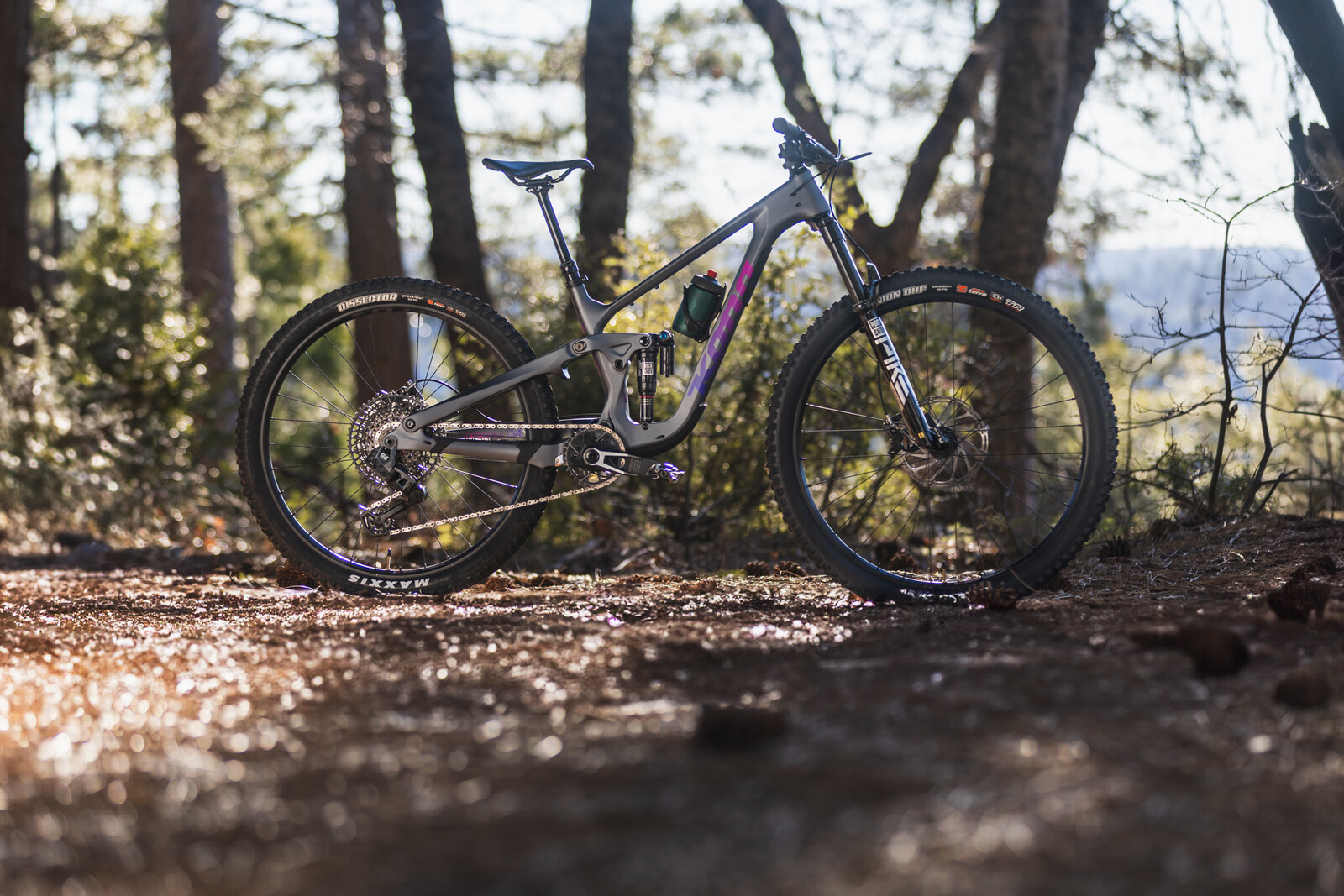
- 134mm of rear travel // 140mm fork
- 65.5 head tube angle
- RockShox Pike Ultimate fork
- Maxxis DHF EXO front // Dissector EXO rear
- WTB KOM Team i30 rims w/ DT Swiss 350 hubs
- Weight (size S): 31 lbs 14 oz with pedals
- More info HERE
Process 153 CR/DL Highlights
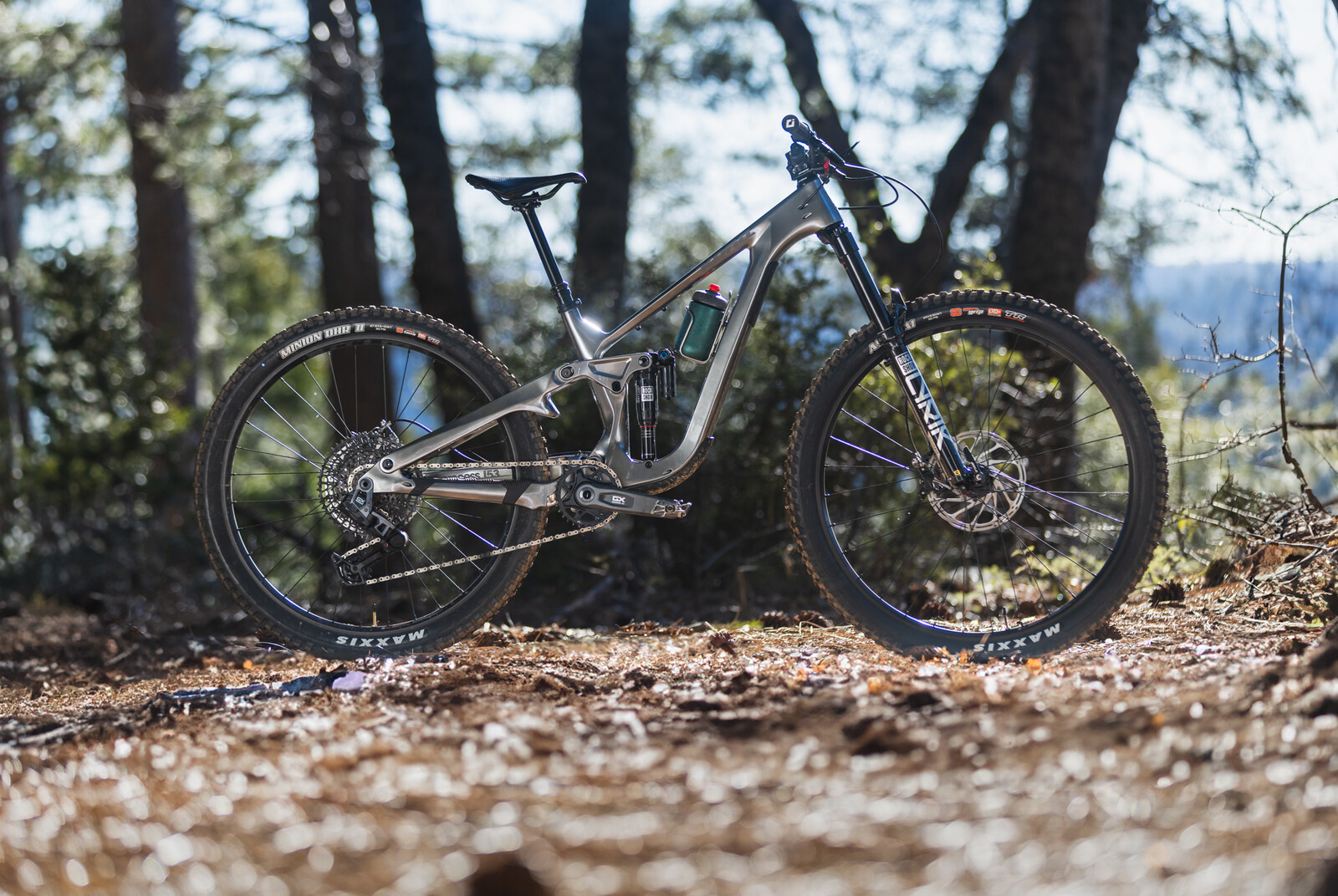
- 153mm of rear travel // 160mm fork
- 64.5 head tube angle
- RockShox Lyrik Ultimate fork
- Maxxis Assegai EXO+ front // DHR EXO+ rear
- WTB KOM Trail i30 rims w/ DT Swiss 350 hubs
- Weight (size S): 32 lbs 10 oz with pedals
- More info HERE
Similarities Between Models
- Full carbon frame (alloy models available)
- New flip-chip for mullet or 29-inch compatibility
- Linkage-driven single pivot design, now with a little more progressivity
- Slick internal routing
- Plenty of seat tube insertion
- Same reach # numbers across all sizes
- 435mm chain stay length (all sizes)
- 76.9-degree seat tube angle (size small)
- Sram G2 RSC brakes
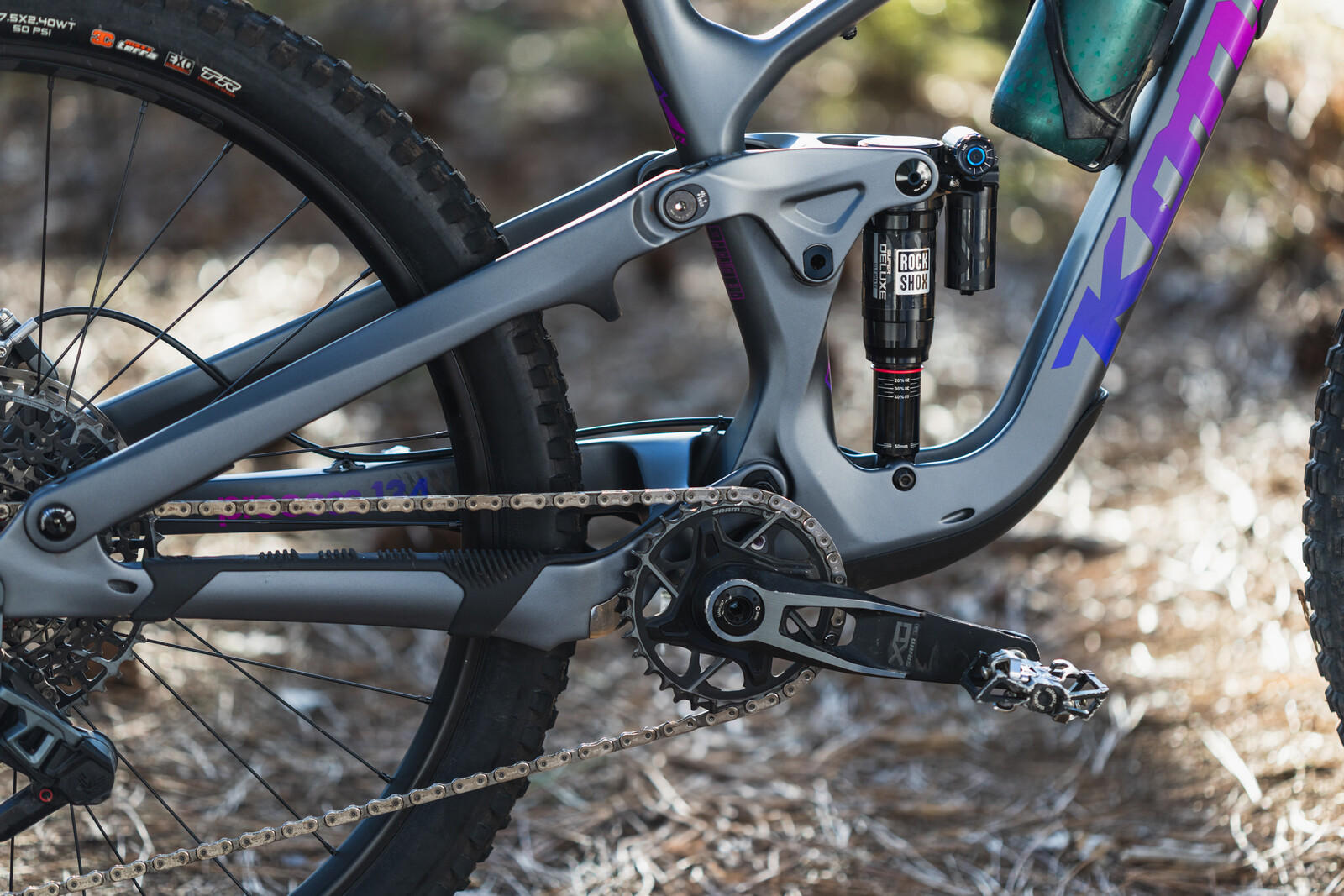
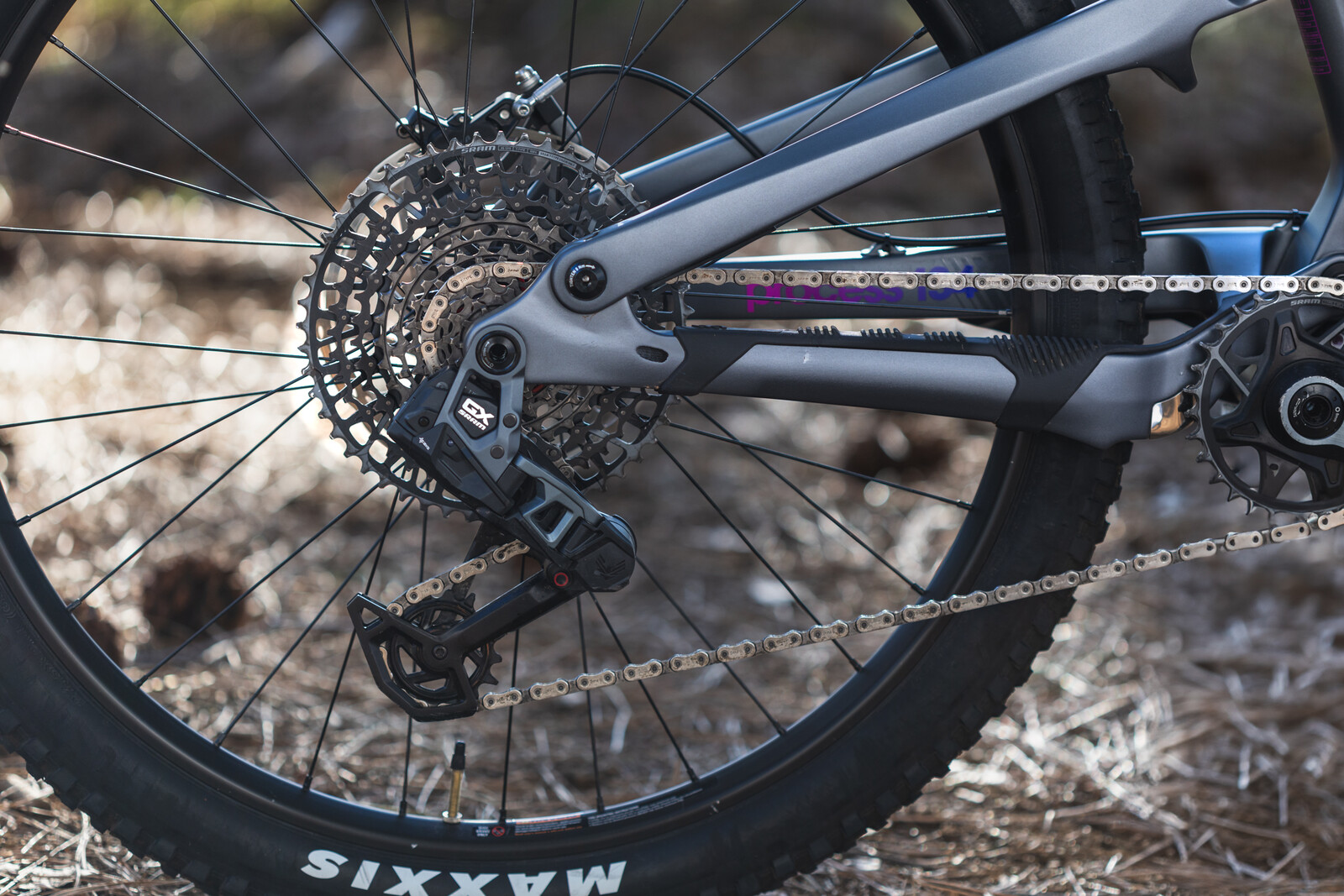
- SRAM GX Eagle Transmission
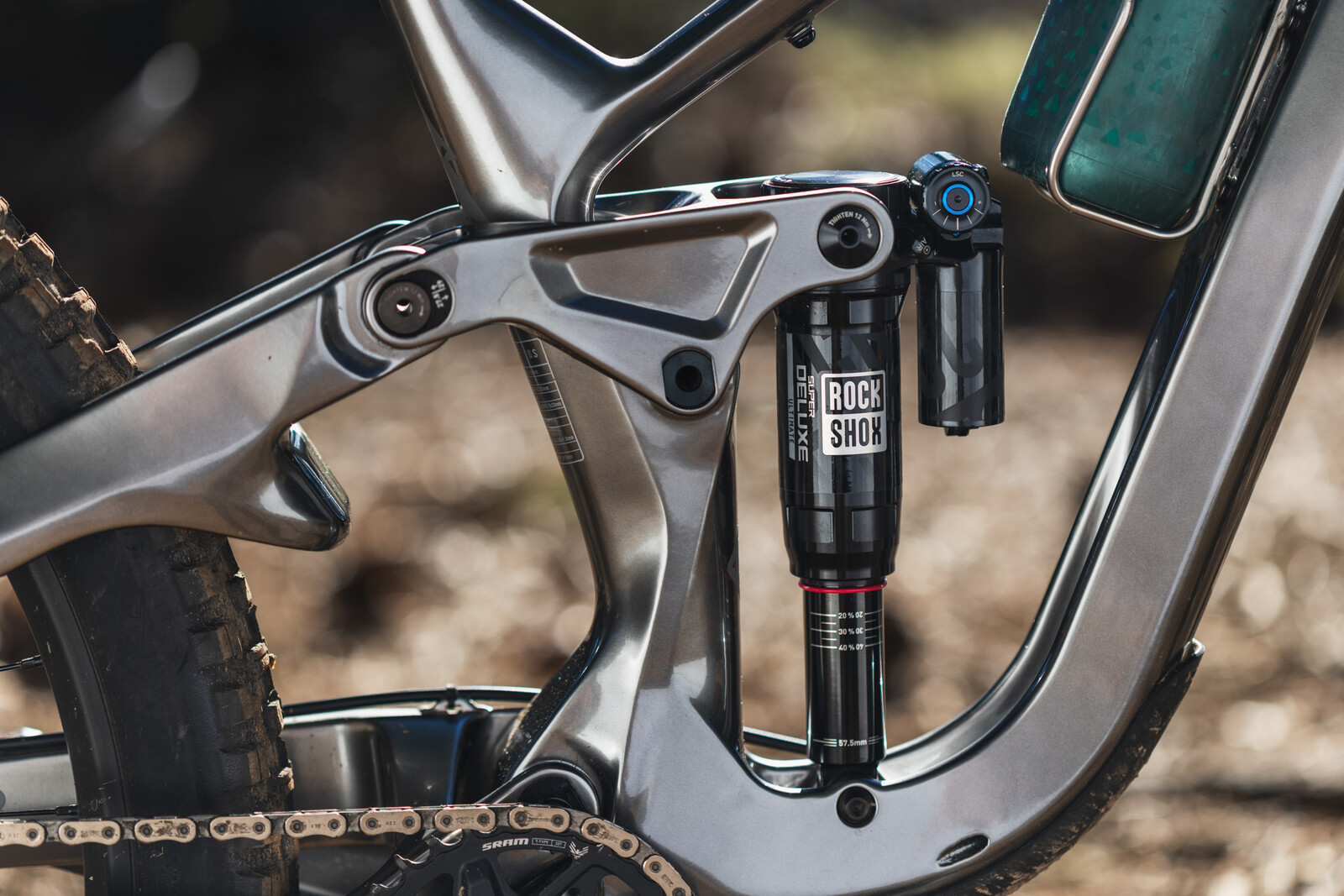
- RockShox Super Deluxe Ultimate shock
- Sizes: S, M, L, XL
- MSRP $5,499.00 USD

Build Kits
Both CR/DL (carbon/deluxe) builds are sprung with RockShox Ultimate suspension—the 134 rocks a Pike, while the 153 features a Lyrik. Both bikes use a Super Deluxe Ultimate shock, SRAM's GX Eagle Transmission with 170mm cranks (size small and medium), SRAM G2 RSC brakes with 200mm Centerline rotors, and DT Swiss 350 hubs front and rear.

The Process 153 CR/DL has WTB KOM Trail i30 rims with a Maxxis Assegai EXO+/MaxxGrip up front and Minion DHR II EXO+/MaxxTerra outback. The Process 134 CR/DL has slightly lighter WTB KOM Team i30 rims and rolls on a Maxxis DHF EXO/MaxxTerra front and Dissector EXO/MaxxTerra rear. While the test bikes shown have TransX mechanical droppers, the correct spec is a RockShox Reverb dropper in 175mm on small and medium frames and 200mm on large and extra large frames. Note that this may be too much travel for those on a small frame. Both bikes were weighed with the TransX mechanical dropper posts. Component differences added up to almost a pound difference in favor of the 134.
Geometry
At first glance, the Process 153 and 134 might appear to share the same frames, with suspension alone making up their differences. However, each model has a unique frame and geometry.


As a result, the Process 153 is one degree slacker, has a 4mm longer top tube, a 10mm taller stack, a 3mm taller bottom bracket height, and a longer front center and wheelbase. The models share the same reach, seat tube angle, and chainstay length.
Setup
I was able to set and forget the suspension settings on both bikes. I leaned on the RockShox Trailhead website to determine suggested air pressure and rebound based on my weight. I found that 27% sag for both bikes worked well. If I were to be extra particular, I would suggest trying a volume spacer or two in the Super Deluxe Ultimate shock on the Process 134. This effectively allows the rider to drop the air pressure ever so slightly to achieve a bit more comfort off the top while maintaining bottom-out control. As a light rider, I ran compression open most of the time. I really enjoyed the Process 134 in Sedona, where g-outs and slower speed drops are plentiful, and a couple of clicks of LSC did the Pike right.
Once I set the sag front and rear, I trimmed the bars to my preferred width, then adjusted the levers and POD shifter to my liking. Refreshingly simple. Neither frame has any flip-chip geometry adjustments, angle-adjust headset cups, or wonky cable routing. They're straightforward bikes that are easy to throw a leg over and comfortably ride right out of the box. It's nice to have fewer options sometimes.


Both bikes come stock with the appropriate Maxxis tires, allowing you to jump on and hit the trails right away. The Process 153 is equipped with a more aggressive combination of Assegai and DHR in EXO+ casing—thumbs up. The Process 134 features a rolling-friendly yet aptly aggressive combination of DHF and Dissector in EXO casing and MaxxTerra compound. I'm light enough to manage this sidewall casing, but it might not be tough enough for some riders or terrain. Side note, I really love the Dissector, especially up front on a downcountry set up.
Unfortunately, all small and medium Process frames come with 170mm cranks. This is less than ideal for avoiding pedal strikes and caused me hip discomfort. Swapping to 165mm or even 160mm cranks is an easy fix, but it does add an extra cost to dialing in the bike.
As part of the top-of-the-line builds, each bike is powered by SRAM's GX Eagle Transmission. I'm personally a big fan of Transmission for smooth shifting, ease of use, and reliability. The GX level shifts smoothly and quietly, though I can find it a bit sleepy when getting ready for a ride, i.e. it takes a few additional taps of the POD or a visit to the app to wake up the system compared to the XO version.
On The Trail
I've had the advantage of many riding windows this winter, giving me several months to test both bikes across various riding destinations in NorCal, Northern Nevada, and Sedona, AZ. While my preference for the Process 153 versus the Process 134 shifted depending on the terrain, several characteristics are common to both bikes. The Process is a playful trail bike with a simple suspension design and just enough tech to keep it modern and versatile. Where many brands have adopted long-and-low geometry designs, the Process is committed to a more compact rear triangle. As such, it offers a tight ride feel that inspires confidence and encourages body English—skills we can all continue to refine. For this reason, I believe most riders would benefit and enjoy riding either the Process 153 or Process 134.

You've got to go up to come down, and both bikes handle this just fine. Obviously, the Process 134 feels more sprightly on climbs, rolling terrain, and flat sections than the Process 153. Yes, there are more complex suspension designs that create more traction on technical climbs, and yes, a longer chainstay can help a rider shift forward over cruxes. However, I found both Processes offered adequate anti-squat to efficiently power up sustained climbs. The compact geometry also made it easier to push the bike through chunk or obstacles on the way up.
Descending is where both bikes reminded me why we all started this sport—because it's damn fun! When it comes to broadly generalizing the trail bike category, the Process is slightly more compact in geometry, with a shorter chainstay and wheelbase. Add a 27.5-inch rear wheel to the mix, and you've got a remarkably playful bike (though I'm confident the bike is equally fun with a 29-inch setup). The rear triangle is stiff (note the seat stay bridge), and the overall handling is sharp and precise, allowing you to whip, flick, and rail with little effort. The kinematics, paired with the RockShox Ultimate suspension, make for a smooth and predictable ride. There's a bottomless feel with no erratic shock loading or pedal kickback when landing deep or pumping, pressing, and weaving downhill. Both bikes were rattle-free and nearly dead silent on the descent, too. Combine the smooth, predictable suspension with the compact geometry, and you get a uniquely playful platform that thrives on flow trails, loamers, jumps, and natural terrain.

Initially, I thought the Process might balk at sustained, steep descents due to its shorter wheelbase and chainstays, but that wasn't the case. In loamy chutes in Santa Cruz and unmaintained descents in Reno, the Process 153 felt composed. I give the compact geometry full credit here, not the brakes. Again, there's something to be said for the control that comes with body English—where the bike feels under you and fully managed, rather than taking you for a joyride. The SRAM G2 brakes, on both models, don't provide enough stopping power in my opinion. Thankfully, the large 200mm rotors front and rear beef up the subpar braking performance.

A holiday trip to Sedona with both bikes proved that, in a few instances, there are situations where even the Process 153 can bite off more than it can chew. Repeated hits in technical, rocky, steep chutes bucked the Process 153 off-line. I also found myself in a less-than-ideal riding position, getting sucked back ever so slightly. This could be attributed to the smaller rear wheel, the proportionally longer front center compared to the short stays, both, or simply rider error. For this reason, I preferred the Process 134 in Sedona, where I could maintain the correct body position despite the rapidly changing terrain thanks to a lower stack. I did feel the rear wheel hang up on flat, baby-head sections where, honestly, pretty much any bike would need pushing through.
If I were to nitpick the suspension, it could be argued that both bikes are missing the small-bump compliance of more tunable suspension designs. Let's remember that there's a tradeoff in all things bike design. While the Processes may lack suspension innovation, they make up for it in smoothness and predictability—ride qualities that are ideal for jumping and popping, which is where the Processes excel.
Processing Which Process to Pick
While the Process 153 and Process 134 share many similarities in ride characteristics, spec, and geometry, they are distinct models. Choosing between the two comes down to your preferred riding style and terrain. If you're going a little bigger or steeper, opt for the Process 153. The Process 153 leans more all-mountain with a penchant for jumping and popping. This is a fantastic companion for making the most of descents, flicking corners, and generally having a very good time coming down. The Process 134, on the other hand, rides like a jib bike with trail capabilities and pedal efficiency. The Process 134 loves to play, jump, and pop. It effectively combines a confident ride with a snappy feel. I personally think the geometry and kinematics come together best in the 134 model. Many bikes in the short travel trail category cater to efficiency and smashing miles. The Process 134 stands out as a playful bike that can make seemingly low-key terrain super fun.
Process 153
Strengths | Weaknesses |
|
|
Process 134
Strengths | Weaknesses |
|
|
Both Process Models
Strengths | Weaknesses |
|
|

What's The Bottom Line?
Kona's Process 153 and Process 134 stand out among the trail bike crowd as playful and refreshingly simple alternatives. While the Process 153 identifies as a playful all-mountain bike and the Process 134 as a pedal-friendly jib bike, both make the journey from start to finish a lot more fun—think side hits, trail doubles, and flickable corners. If long and slack enduro bikes aren't your style, the Process 153 might just be your next favorite all-mountain ride. And if you love jump sessions but still want to efficiently rip through your local trail network, the Process 134 has your name written all over it.
For more information, please visit konaworld.com
View key specs, compare bikes and frames, and rate the newest Kona Process models in the Vital MTB Product Guide.
About The Tester
Brooke Summers - Age: 43 // Years Riding MTB: 20 // Height: 5' 2" (1.56m) // Weight: 115-pounds (52kg)
Brooke is based in Reno, Nevada, where she can often be found hot-lapping the Northstar bike park, training for her favorite race of the year—the Downieville Classic—and traveling to mountain bike destinations. She discovered her love for bikes while living as a snowboard bum in Mammoth Lakes, spending summer days aboard her Kona Stinky. After years of working in the snow industry, Brooke immersed herself in the bike world as both a racer and marketing specialist. Not too proud to admit she once wore skinsuits on cyclocross tracks, Brooke now enjoys racing enduro, collaborating with mountain biking's raddest folks, and encouraging others to make the most of their riding experience. She's honored to have the opportunity to review new products while remembering that it's people, not gear, that make mountain biking so damn fun. Though great equipment certainly helps!
Photos by Ryan Cleek
2/24/2025 2:02pm



View replies to: Head to Head: Kona Process 134 and 153
Comments